Why Your Skin Needs Both Hydration & Moisture
Unpacking the Difference for a Truly Healthy Glow
6 min read
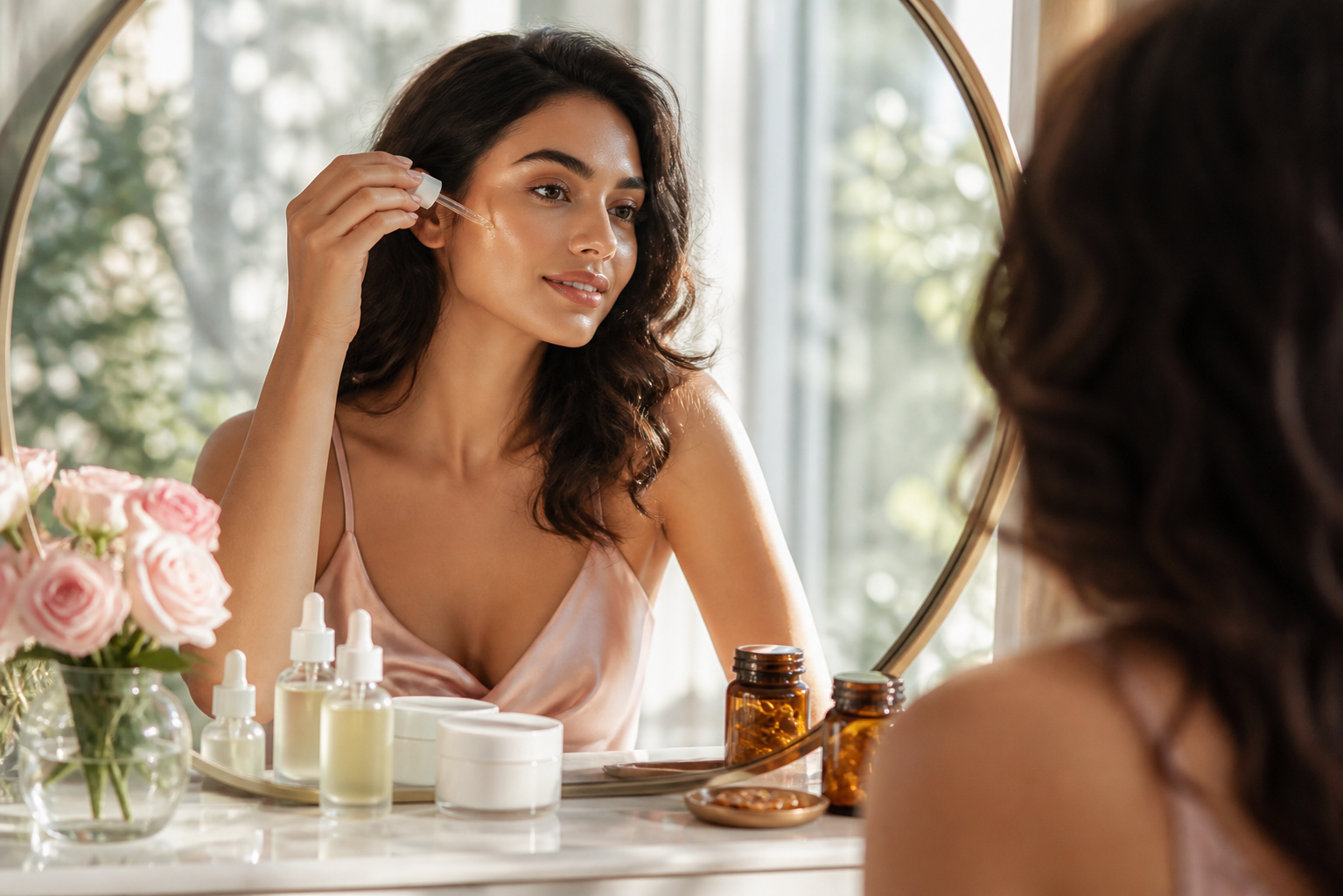
You’re diligently applying your serums and creams, perhaps even remembering your supplements, and still, sometimes your skin feels… thirsty? Or maybe tight? It’s a common moment of confusion, especially when we talk about "hydrating" and "moisturizing" like they’re the same thing. But here’s a little secret: they’re not. While both are super important for a happy, healthy-looking complexion, they tackle different needs. Understanding the difference is like finding the missing piece of your skincare puzzle, helping you achieve that radiant, plump glow you’ve been aiming for.
Hydration: It’s All About Water
Think of hydration as giving your skin a big drink of water. When we talk about hydrated skin, we’re talking about skin cells that are plumped up with water, which makes your skin look bouncy, radiant, and smooth. This is especially important for the outermost layer of your skin, the stratum corneum, which acts as your body’s first line of defense. When this layer is well-hydrated, it functions better, appearing more flexible and resilient.
Dehydrated skin, on the other hand, lacks water. It can feel tight, look dull, show more fine lines, and sometimes even feel itchy or sensitive. You might think this sounds like dry skin, but dehydration can affect any skin type – even oily skin! If your skin feels oily but also tight, or your makeup seems to disappear quickly, you might be dealing with dehydration rather than dryness. It’s a common culprit for a lack of glow, as light doesn't reflect as well off a parched surface.
Meeting Your Skin’s Thirst: How to Hydrate
To bring water into your skin, you need ingredients called humectants. These are like little magnets that draw moisture from the air and from deeper layers of your skin to the surface. Popular humectants you’ve probably heard of include hyaluronic acid, glycerin, and urea. These are often found in serums and essences, which are designed to deliver a concentrated dose of these water-loving ingredients deep into your skin.
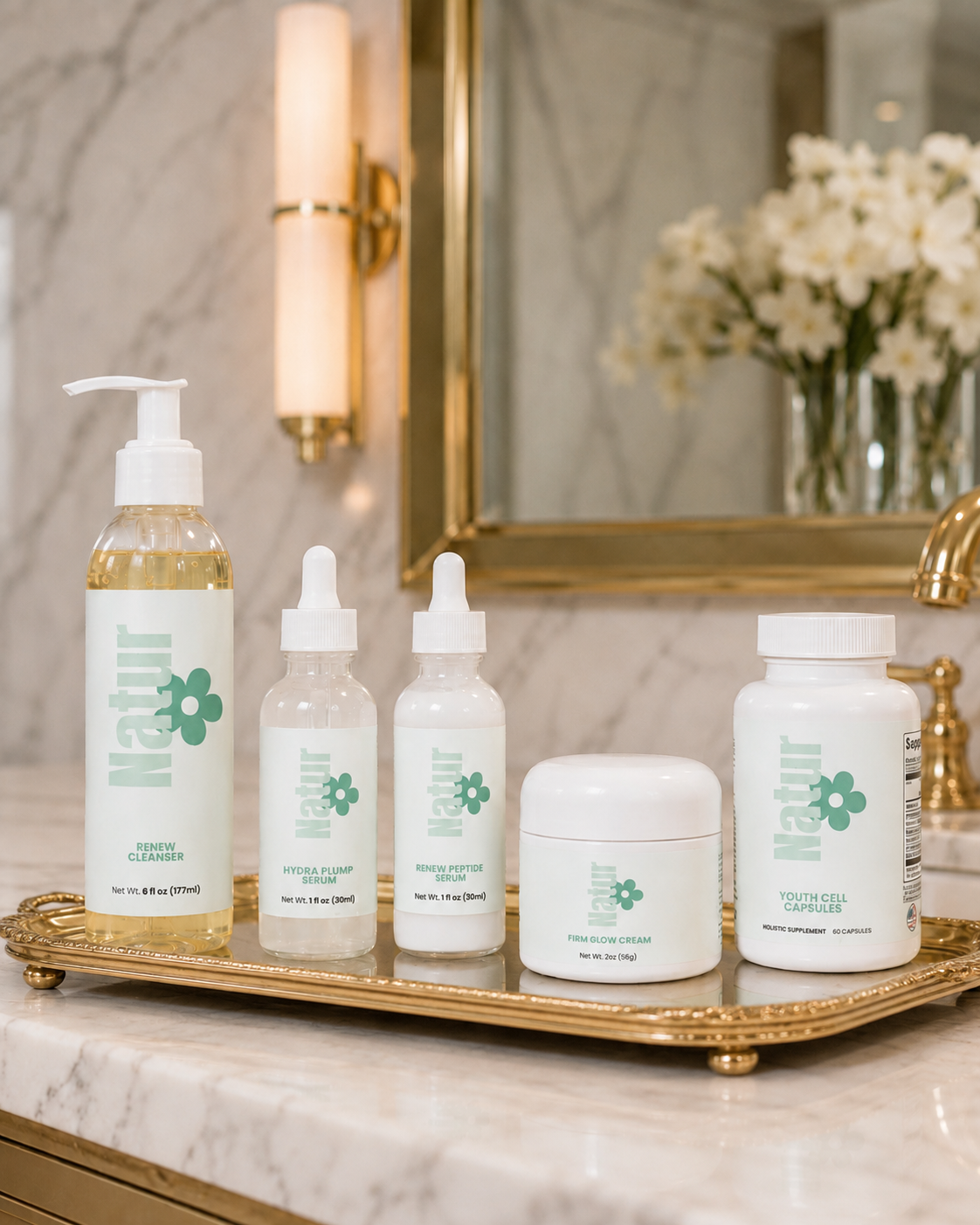
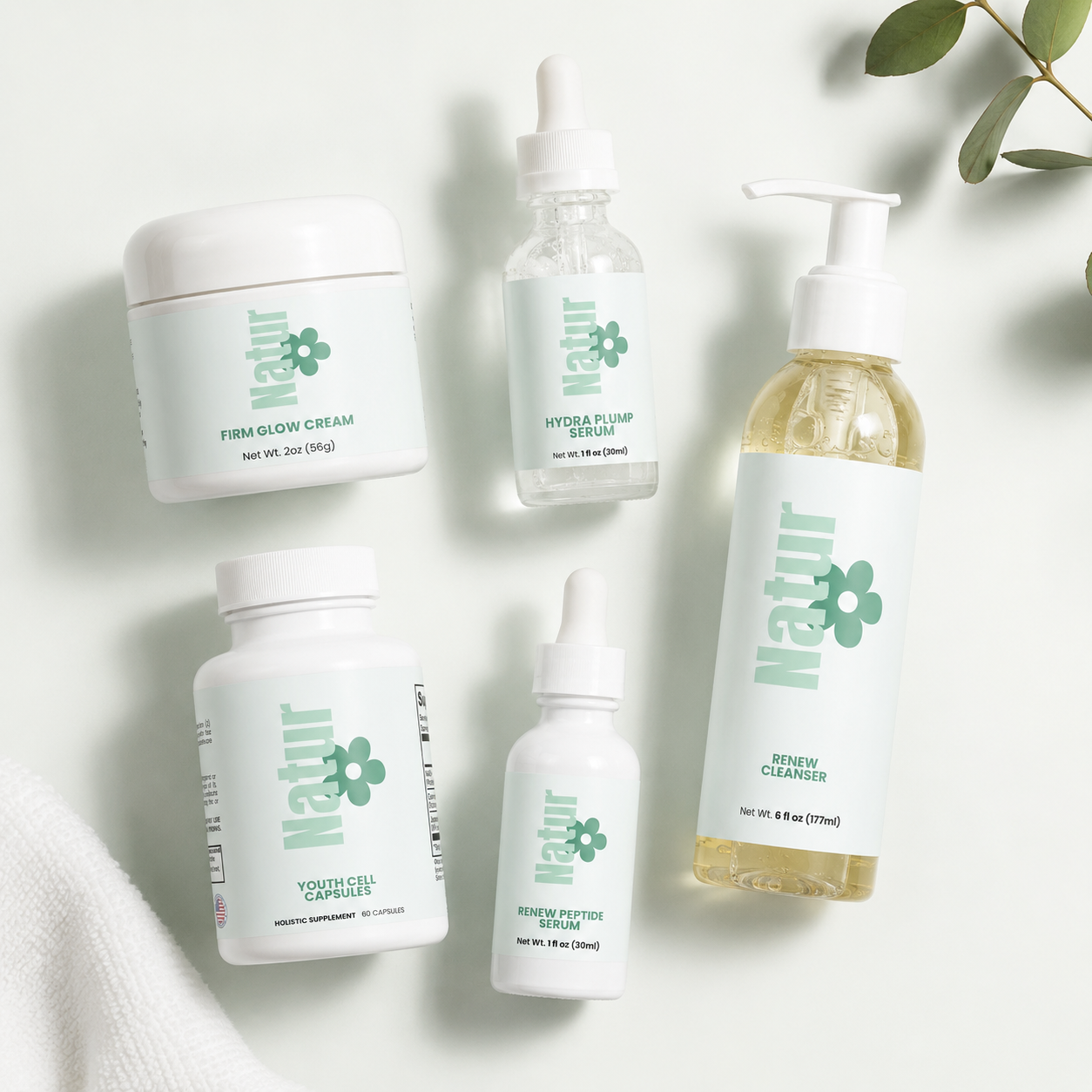
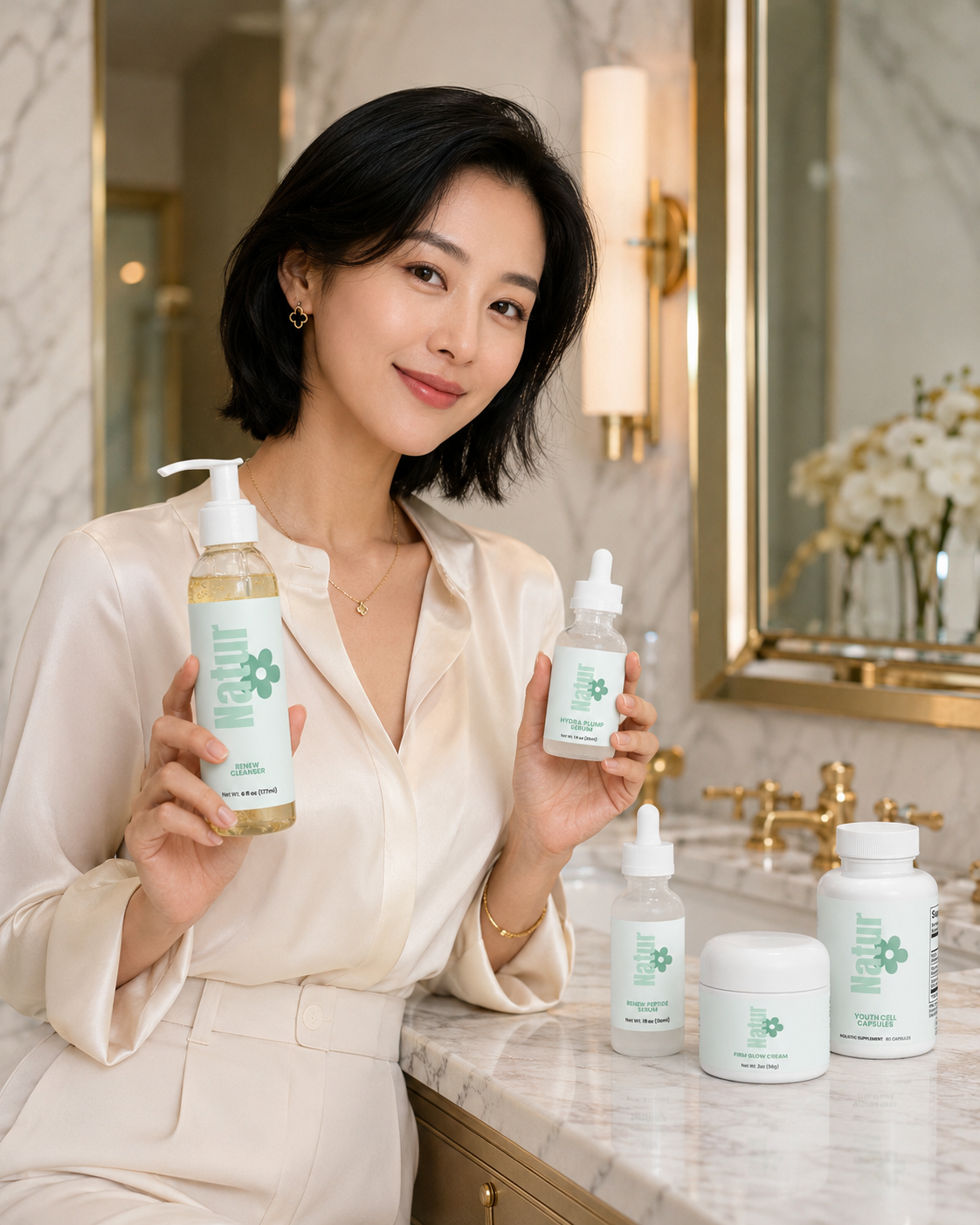
For example, a clean beauty serum rich in multi-molecular hyaluronic acid can help support the look of plumpness and smooth texture. Using a product like the Natur Hydra Plump Serum, designed with different sizes of hyaluronic acid molecules, can help ensure hydration reaches various levels of your skin, supporting a supple and dewy look. Just remember, for these humectants to work their magic best, you need to follow up with something to seal that hydration in – more on that in a moment!
Moisture: Keeping the Good Stuff In
Now, let's talk about moisture. If hydration is about bringing water *into* the skin, moisture is about keeping it *there*. Moisturizers create a protective barrier on the skin's surface, which helps prevent that precious water from evaporating into the air. This barrier is often called the skin's lipid barrier, and it's essential for healthy-looking skin. Think of it like a blanket that keeps your skin cozy and protected, especially from environmental stressors that can lead to water loss.
Skin that lacks moisture is typically referred to as dry skin. Dry skin types don’t produce enough natural oils (sebum), leading to a compromised barrier. It might feel flaky, rough, or tight, and often looks dull because there’s no smooth, oily surface to reflect light. Unlike dehydration, which is a state, dryness is a skin type, meaning it's often a chronic condition rather than a temporary one.
Locking It Down: How to Moisturize
To provide moisture, you need ingredients that replenish oils and seal the skin’s barrier. These fall into two main categories: emollients and occlusives. Emollients (like ceramides, fatty acids, and many plant-based oils such as jojoba oil or rosehip oil) help fill in the gaps between skin cells, smoothing and softening the skin. They make your skin feel supple and comfortable. Occlusives (like shea butter, beeswax, or petrolatum) form a physical barrier on the skin's surface to reduce transepidermal water loss (TEWL) – basically, stopping water from escaping.
A nourishing face cream or a clean beauty face oil can be your best friends here. Products like the Natur Radiance Repair Cream, or a pure clean oil such as Natur Rosehip Oil, are designed to deliver these moisturizing benefits. They help support the skin's natural barrier, keeping it feeling soft and protected. For those who enjoy a complete regimen, the Natur Skin Glow set often includes products that deliver both hydration and moisture, ensuring your skin gets a comprehensive dose of care.
The Winning Combo: How to Layer for Your Best Glow
The good news is, you don’t have to choose between hydration and moisture – your skin needs both! The key is in the layering. Generally, you want to apply thinner, water-based products first, followed by thicker, oil-based ones. This allows the hydrating ingredients to penetrate deeply, and then the moisturizing ingredients to seal everything in.
A common routine might look like this: after cleansing, apply a hydrating serum (like one with hyaluronic acid). Give it a moment to absorb. Then, follow with a nourishing face cream or a few drops of a clean face oil. This strategy helps plump your skin with water and then locks that water in, alongside beneficial fatty acids and antioxidants. Adding a good mineral sunscreen as the very last step in your morning routine helps protect your newly hydrated and moisturized skin from environmental aggressors, supporting its overall health and glow.
Remember, consistency is key here. Just like your body needs water and healthy fats from the foods you eat, your skin thrives when it regularly receives both hydration and moisture. Paying attention to these distinct needs can transform your skin's look and feel, taking it from tired and parched to vibrant and radiant.
A Final Thought on Skin's Well-being
Understanding the specific language of your skin – whether it's crying out for a drink of water or a comforting blanket of moisture – is one of the most powerful tools you have. It moves beyond just applying products to truly listening to what your skin is telling you. That kind of mindful care, tailored to your skin’s changing daily needs, is what truly cultivates a lasting, healthy-looking glow. It’s not about complexity; it’s about clarity in caring for yourself, inside and out.
Frequently asked questions
What is the difference between hydration and moisture in skincare?
Hydration refers to the water content within your skin cells, making them plump and bouncy. Moisture refers to the oils and lipids on the skin's surface that form a barrier to prevent water loss.
How can I tell if my skin is dry or dehydrated?
Dehydrated skin lacks water; it might feel tight, look dull, or show more fine lines, even if it produces oil. Dry skin lacks oil; it often feels flaky, rough, or tight and doesn't produce enough natural sebum. Dehydration is a state any skin type can experience, while dryness is a skin type.
What ingredients are best for hydrating skin?
Look for humectants like hyaluronic acid, glycerin, and urea. These ingredients draw water into the skin.
What ingredients are best for moisturizing skin?
Emollients and occlusives are key for moisturizing. Emollients include ceramides, fatty acids, and plant oils like jojoba or rosehip. Occlusives form a protective barrier and include ingredients like shea butter or beeswax.
How should I layer products for both hydration and moisture?
Apply thinner, water-based hydrating products (like serums) first to allow them to penetrate. Follow with thicker, oil-based moisturizing products (like creams or face oils) to seal in the hydration and protect the skin barrier.
If you'd like a simple place to start, the Natur Skin Glow set pulls the supplements and skincare for this routine into one daily kit.
This article is for educational purposes only and is not medical advice. Always talk to a qualified healthcare professional before starting supplements or changing your health routine. These statements have not been evaluated by the Food and Drug Administration. Natur products are not intended to diagnose, treat, cure, or prevent any disease.