
Why Your Skin Needs Both Hydration & Moisture
Decoding the Difference for Your Best Glow Yet
8 min read
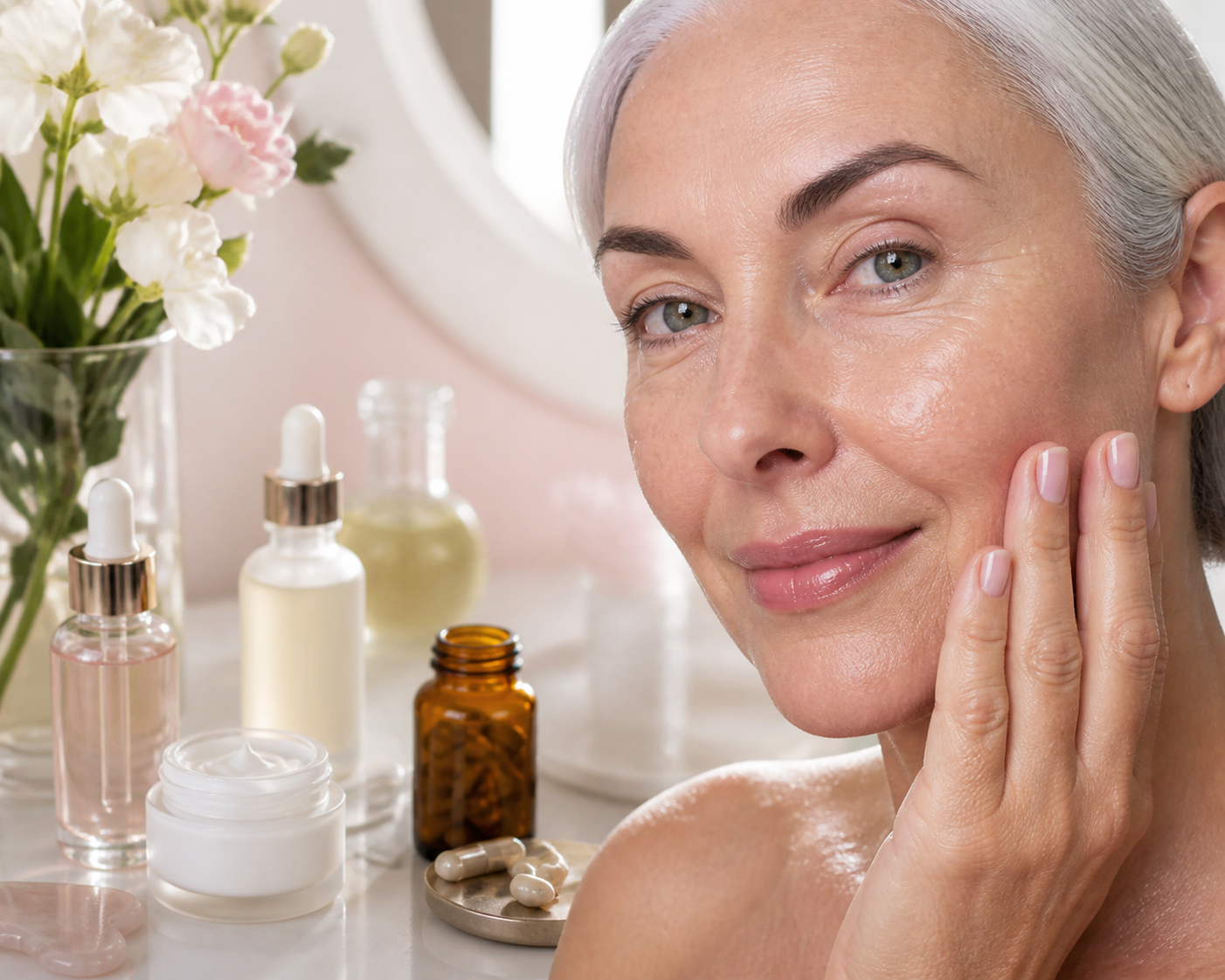
Okay, let's talk skin. You know that feeling when your favorite plant looks a little droopy, and you're not sure if it needs more water or if the soil is just too dry? Your skin can sometimes feel a bit like that. You might be diligently applying your face cream, but still notice some tightness or a dull look. Or maybe it feels oily on the surface but still looks a bit flaky underneath. It's a common puzzle, and often, the missing piece is understanding the difference between hydration and moisture. Yes, they sound similar, and we often use them interchangeably, but in the world of skincare, they're two distinct players working together for your ultimate glow.
Hydration: Quenching Your Skin's Thirst
Think of hydration as giving your skin a big, refreshing drink of water. When your skin is hydrated, it means its cells have absorbed water, making them plump, bouncy, and flexible. This is what helps your skin look dewy, smooth, and full. If your skin is lacking hydration, it's called 'dehydrated skin.'
Dehydrated skin can look dull, feel tight, and even show more pronounced fine lines because the skin cells are shrunken and less 'inflated.' It might also have a papery or crepey texture. Interestingly, even oily skin types can be dehydrated! Your skin might produce more oil to compensate for the lack of water, leading to a greasy feeling that's still tight or uncomfortable underneath. Key ingredients to look for that draw water into the skin are called humectants. These include heroes like Hyaluronic Acid, Glycerin, and Urea. They're like magnets for water, pulling it from the air and deeper layers of your skin to the surface.
To really boost hydration, think lightweight. Serums are often your best friend here because they're packed with concentrated hydrating ingredients that can penetrate easily. For example, a dedicated hydrating serum with a blend of humectants can help support your skin's water content. Look for clear, gel-like textures. You want to apply these to slightly damp skin so they have water to pull from, maximizing their effect.
Moisture: Locking in the Goodness
Now, once you've given your skin that lovely drink of water (hydration), you need to make sure it doesn't just evaporate away. That's where moisture comes in. Moisturizing is all about creating a protective barrier on the skin's surface to seal in that water and prevent transepidermal water loss (TEWL) — fancy talk for water escaping from your skin.
Moisture also helps to soften and smooth the skin by replenishing its natural lipid barrier, which is like the 'mortar' between your skin cells' 'bricks.' When this barrier is healthy, your skin feels supple, soft, and comfortable, and it's better equipped to defend itself against environmental stressors. If your skin needs moisture, it typically feels dry, flaky, or rough. It might look dull, lack natural radiance, and you might experience itching or irritation. This is often referred to simply as 'dry skin.'
Ingredients that provide moisture are called emollients and occlusives. Emollients like ceramides, fatty acids, and cholesterol help to smooth and soften the skin, reinforcing its barrier. Occlusives, such as certain waxes, rich plant oils (like Jojoba Oil or Rosehip Oil), and heavier creams, form a physical barrier to keep water from escaping. These ingredients are often found in face creams and face oils. They tend to have richer textures than hydrating serums.
Why You Need Both for a Radiant Glow
So, you can see why both hydration and moisture are essential, right? You can't just moisturize dry skin without hydrating it first, or you're just locking in... well, nothing. Conversely, hydrating without moisturizing is like filling a leaky bucket – the water won't stay put for long. A truly glowing, healthy-looking complexion relies on a harmonious balance of both.
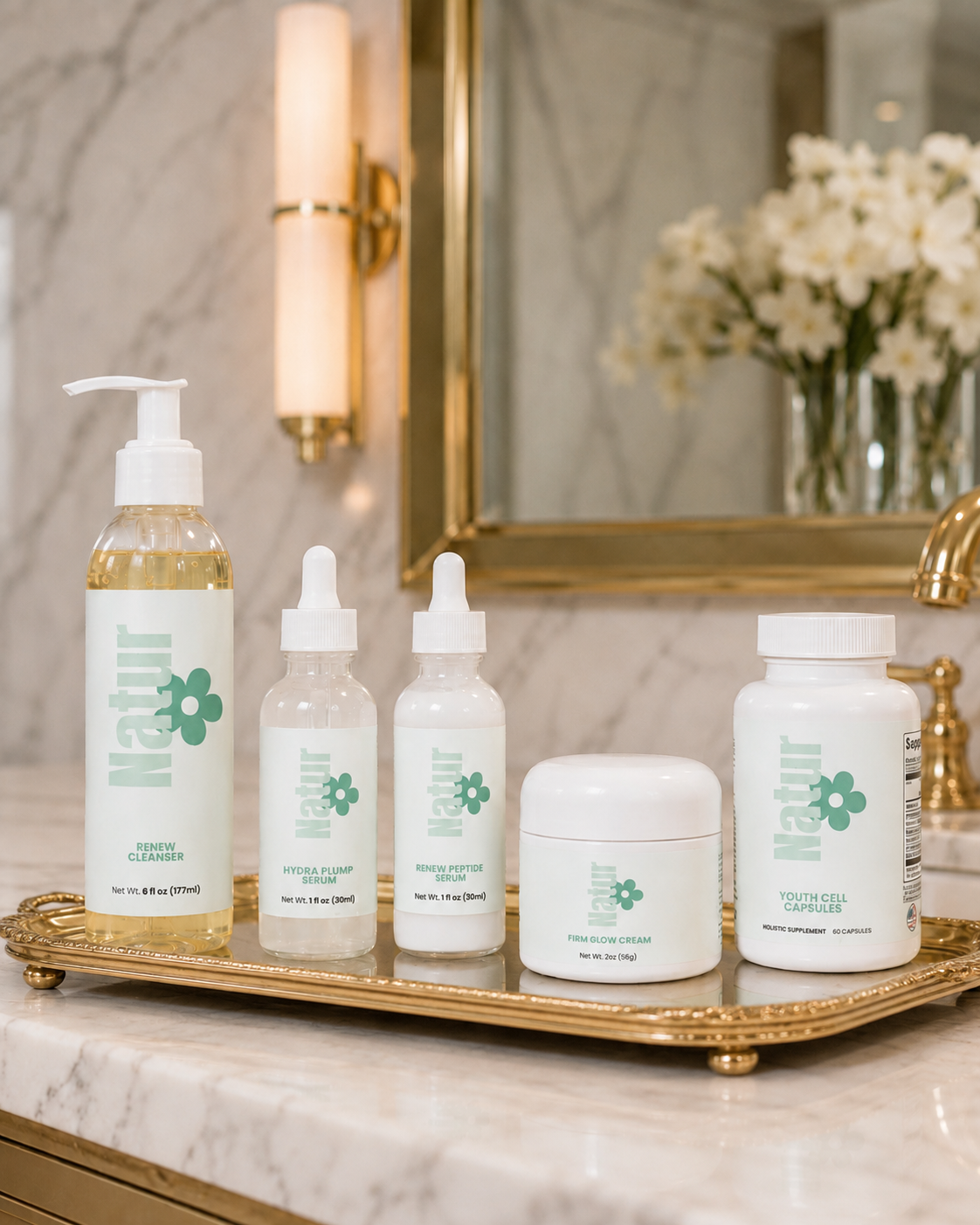
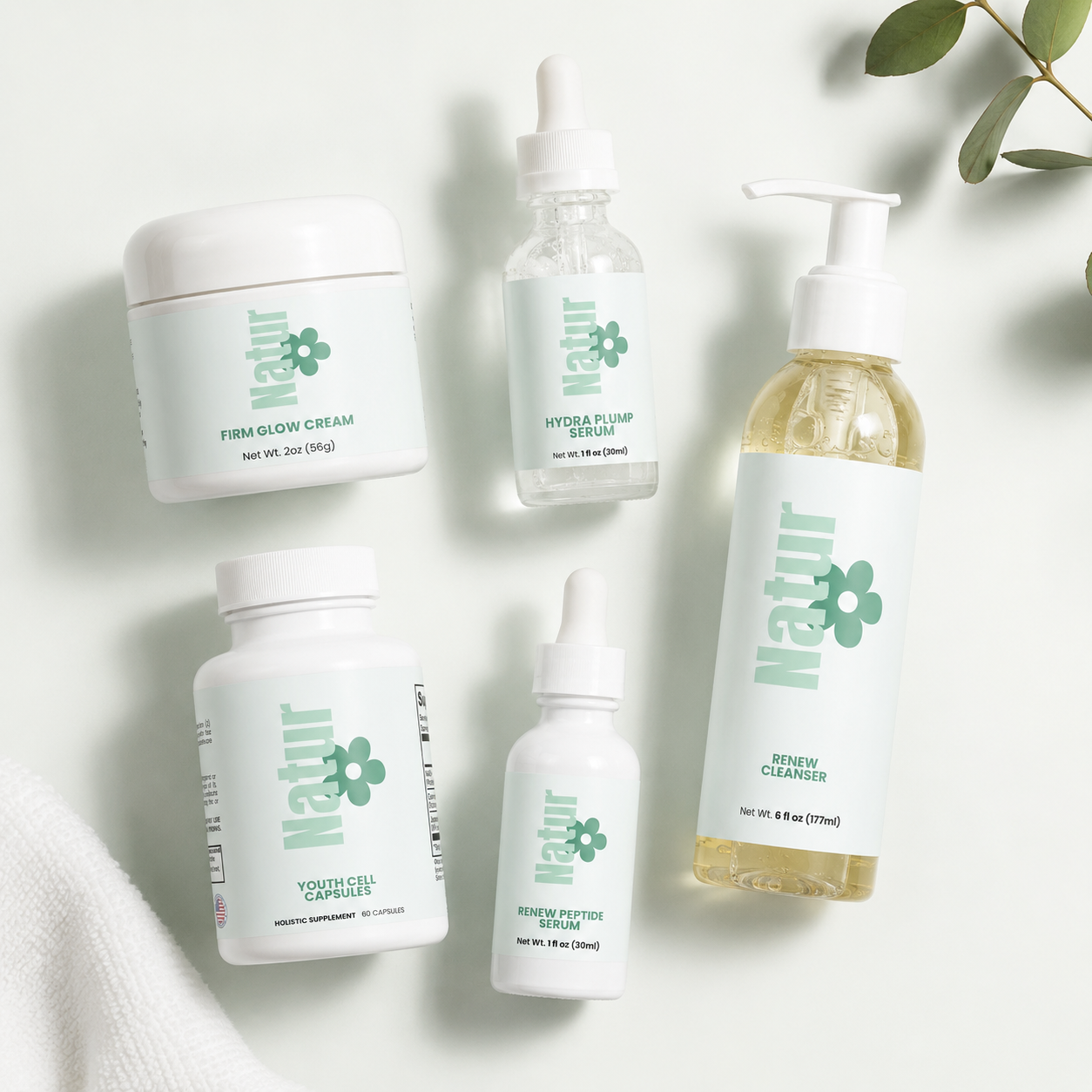
Think of it this way: Hydration plumps up your skin cells from within, giving you that 'bounce.' Moisture creates a smooth, protective shield on the surface, keeping that bounce in place and making your skin feel soft and nourished. When both are working optimally, your skin barrier is stronger, meaning less sensitivity, a more even texture, and a beautiful, natural radiance. It's about building resilience and supporting your skin's natural functions. Many people find the Natur Skin Glow set helpful here, as it's designed to support both hydration and moisture from the inside and out, helping your skin feel nourished and appear radiant.
Remember, skin needs change. What works for you in the humid summer might need an adjustment in the dry winter. Listen to your skin – it will tell you what it needs. If it's feeling tight and looks a bit dull, reach for more hydrating layers. If it's flaky and rough, it's asking for more rich, moisturizing ingredients to help support its barrier.
Building Your Hydrating & Moisturizing Routine
Okay, let's put this into practice. The general rule of thumb in skincare is to layer from thinnest to thickest consistency. This allows lighter, water-based products to penetrate first, followed by richer, oil-based products to seal everything in. Here’s a simple order that often works well:
Cleanse: Start with a gentle, fragrance-free cleanser to remove impurities without stripping your skin. You want a clean canvas, but not one that feels squeaky or tight.
Hydrate with a Serum: After cleansing (and maybe a gentle toner), apply a hydrating serum to slightly damp skin. This is your skin's big drink of water. Look for humectants like hyaluronic acid. Gently press it into your skin until absorbed.
Moisturize with a Face Cream: Next, apply your face cream. This step helps to both provide more hydration and, crucially, to lock everything in. A good face cream often contains a mix of humectants, emollients, and light occlusives to support the skin barrier. Dot it around your face and gently massage it in until absorbed.
Seal with a Face Oil (Optional, but highly recommended for extra glow and dryness): If your skin is particularly dry, or if you simply love that extra glow, a few drops of a nourishing face oil (like a blend of Rosehip and Jojoba oils) can be your final step. Oils are occlusive, meaning they form a protective layer on top of your skin, sealing in all the layers beneath. They also deliver fatty acids and antioxidants. Pat a few drops over your face cream. You might find this step makes a huge difference in how soft and supple your skin feels throughout the day.
Don't Forget Sunscreen: In the morning, always follow up with a broad-spectrum mineral sunscreen. It’s the ultimate protector of your healthy skin barrier.
Beyond topicals, consider your 'inside-out' glow. Drinking enough water throughout the day can support overall skin hydration, and supplementing with things like collagen peptides can help support the look of skin firmness and elasticity from within. Just like you can't out-moisturize a lack of hydration, you can't fully support your skin barrier without adequate internal support either. It’s a holistic view that often yields the best results.
A Final Thought on Skin's Needs
Understanding whether your skin is dehydrated (lacking water) or dry (lacking oil) is one of those skincare 'aha!' moments that can really change your routine for the better. It allows you to choose products that truly address what your skin is asking for, rather than just guessing. Pay attention to how your skin feels throughout the day, how it reacts to different environments, and how it responds to what you're applying. Skincare isn't just about what products you use, but how thoughtfully you use them to support your unique skin. Sometimes, the simplest adjustments, like adding a dedicated hydrating serum before your face cream, can make all the difference in achieving that supple, radiant glow.
Frequently asked questions
What is the difference between skin hydration and skin moisture?
Skin hydration is about increasing the water content in your skin cells, making them plump and flexible. Skin moisture is about creating a barrier on the skin's surface to seal in that water and prevent it from evaporating, keeping the skin soft and smooth.
How can I tell if my skin needs hydration or moisture?
Dehydrated skin often looks dull, feels tight, and may show more fine lines, even if it feels oily. Dry skin typically feels flaky, rough, or itchy, and may lack natural radiance. Oily skin can still be dehydrated, sometimes producing more oil to compensate for lack of water.
Which ingredients are best for skin hydration?
Look for humectants like Hyaluronic Acid, Glycerin, and Urea. These ingredients attract water to the skin, helping to plump up cells and improve skin's bounce.
Which ingredients are best for locking in skin moisture?
Ingredients that provide moisture are emollients (like ceramides, fatty acids) and occlusives (like rich plant oils such as Jojoba Oil or Rosehip Oil, and heavier creams). They help reinforce the skin's natural barrier and prevent water loss.
Can oily skin be dehydrated?
Yes, absolutely! Oily skin can produce a lot of sebum (oil) but still lack water content. This can lead to a surface that feels greasy but also tight or uncomfortable underneath, sometimes with an increase in breakouts as the skin tries to overcompensate.
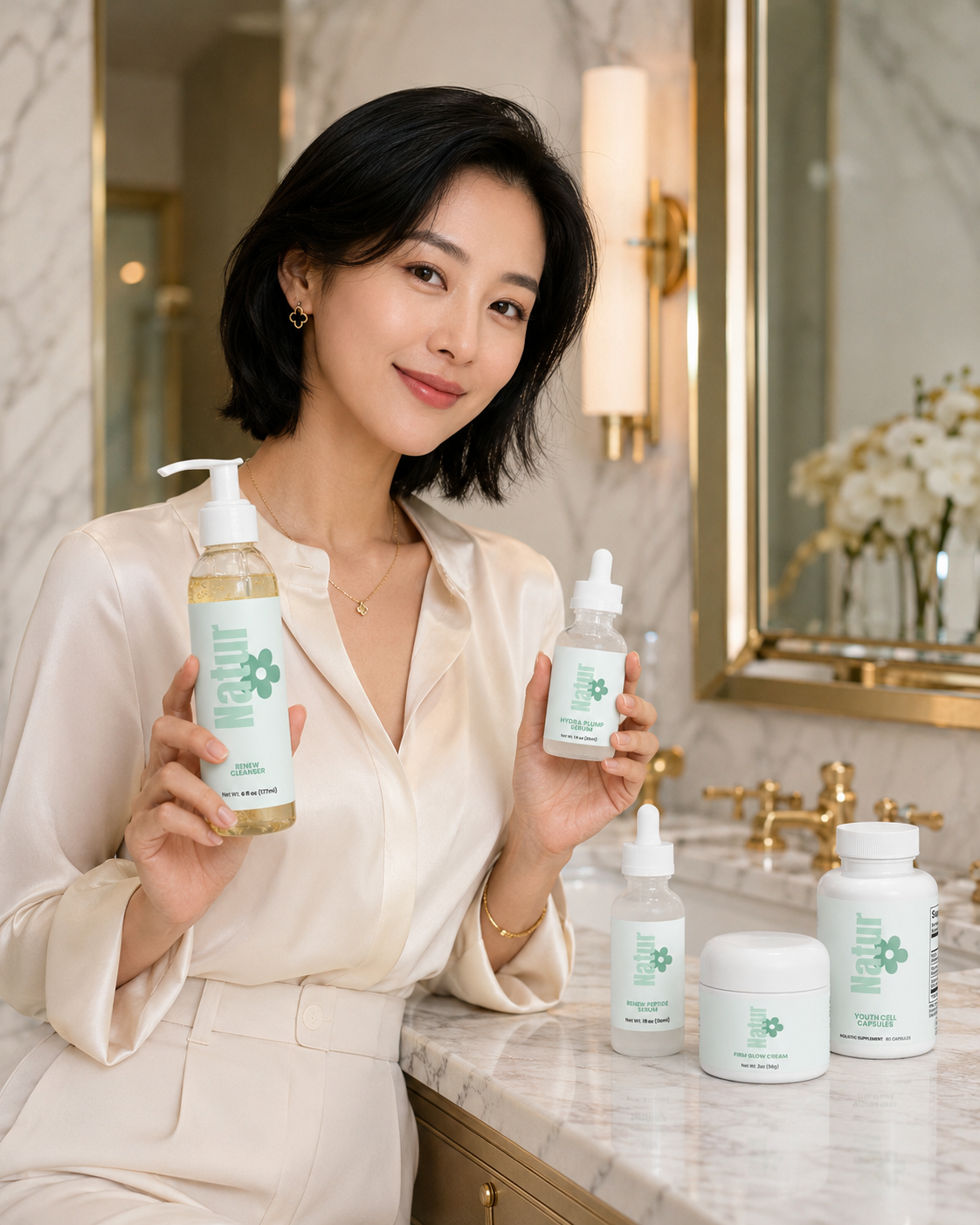
If you'd like a simple place to start, the Natur Skin Glow set pulls the supplements and skincare for this routine into one daily kit.
This article is for educational purposes only and is not medical advice. Always talk to a qualified healthcare professional before starting supplements or changing your health routine. These statements have not been evaluated by the Food and Drug Administration. Natur products are not intended to diagnose, treat, cure, or prevent any disease.