
Rosehip vs. Jojoba: Which Oil for Your Glow?
Choosing the best facial oil for clear, radiant skin has never been simpler.
5 min read

Walk into any clean beauty store (or virtual aisle!), and you’ll likely see a beautiful array of facial oils catching your eye. Among the most beloved for their skin-supporting properties are rosehip and jojoba. Both are fantastic, truly, but they’re not identical. Sometimes, a little confusion creeps in: which one should you choose? Should you use both? How does each oil contribute to that luminous, healthy glow we're all after? Let's take a deep dive into these two powerhouses, so you can confidently pick the right one for your unique skin.
Meet Rosehip Oil: The Skin Whisperer
First up, let's chat about rosehip oil. This isn't just any flower oil; it's typically extracted from the seeds and fruit of the Rosa Canina rose bush, often found in the Andes Mountains. Think of it as a little bottle of sunshine for your skin.
Rosehip oil is packed with good things: essential fatty acids like linoleic and linolenic acids, along with vitamins A and C. These components are commonly used to support skin's natural regeneration process. Many people find it helps with the look of uneven skin tone and can make skin feel softer and more supple. It's often embraced by those looking to keep their skin feeling firm and to maintain a youthful-looking complexion. Since it’s a 'dry' oil, it tends to absorb pretty quickly without leaving a greasy feeling. It's a favorite in anti-aging routines, not because it reverses time, but because it nourishes the skin so beautifully.
Enter Jojoba Oil: The Skin's Best Friend
Now, let's switch gears to jojoba oil. Fun fact: technically, jojoba isn't an oil at all! It's a liquid wax ester, which is chemically very similar to the natural sebum our skin produces. This likeness is what makes it so special.
Because it mimics our skin's natural oils so well, jojoba oil is incredibly balancing. It may help skin feel more regulated, especially for those who experience both dryness and oiliness. It’s also known for being non-comedogenic, meaning it's less likely to clog pores, which is good news for many skin types. Jojoba oil is deeply hydrating, designed to support the skin's barrier, and can help to calm and soothe the skin, making it a gentle and versatile choice for almost anyone.
Rosehip vs. Jojoba: Key Differences
So, how do you choose? It really comes down to what your skin is asking for. If you're focusing on the look of fine lines, managing an uneven skin tone, or generally supporting skin renewal, rosehip oil might be your go-to. Its vitamin A derivatives (like 'tretinoin', the naturally occurring form of Vitamin A) may help skin feel more resilient and vibrant.
On the other hand, if your skin feels sensitive, is prone to breakouts, or just generally needs hydration and balance, jojoba oil could be your daily hero. Its unique composition means it 'talks' to your skin in a way other oils can't, helping it to feel nourished without feeling heavy. It's perfect for supporting a healthy skin barrier and keeping things feeling calm. Think of rosehip for more targeted 'renewal' support, and jojoba for everyday 'balance and hydration'.
Can You Use Both? A Harmonious Pairing
Absolutely! In fact, many people find that using both rosehip and jojoba oil together offers a more comprehensive approach to skin health. They complement each other beautifully.
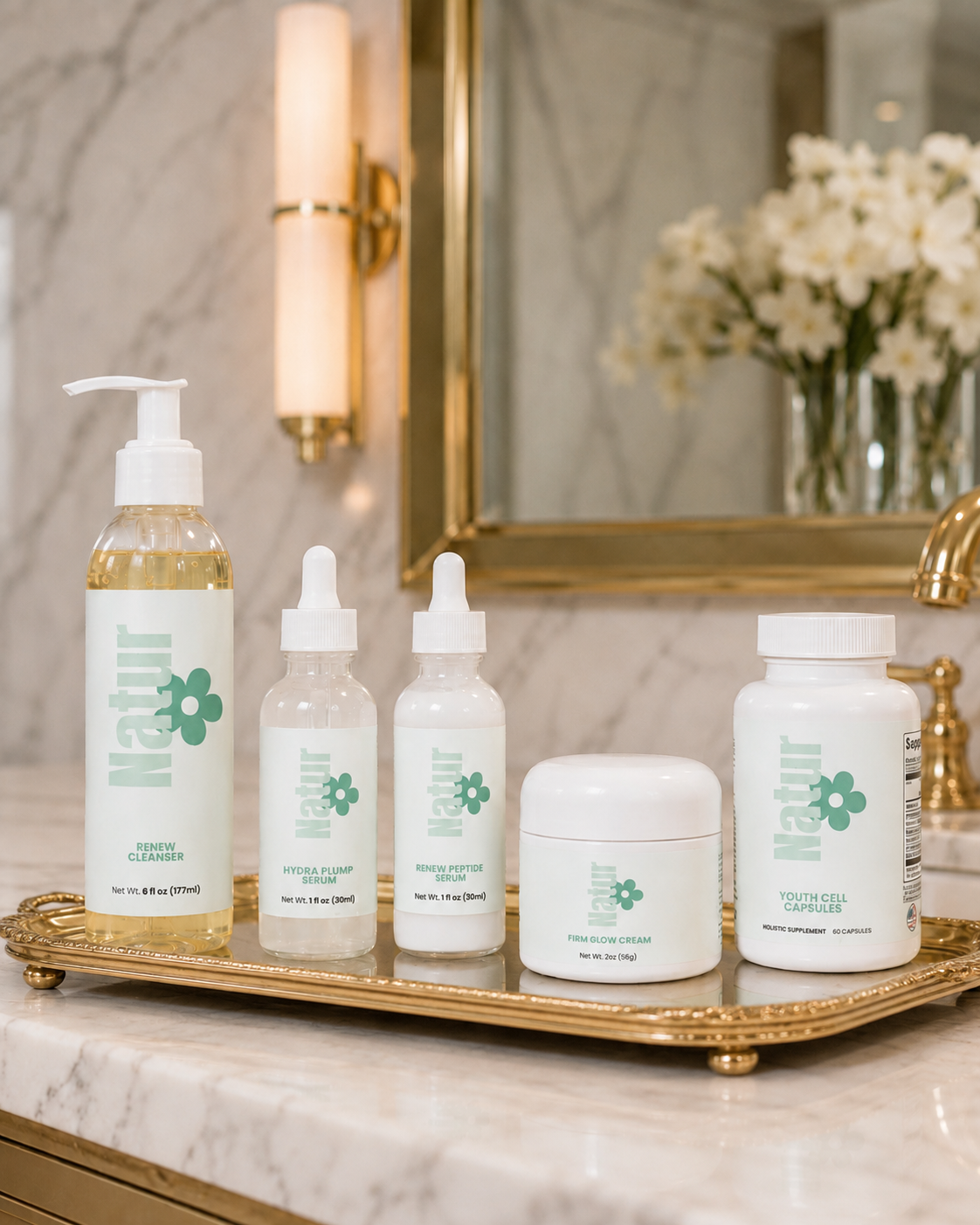
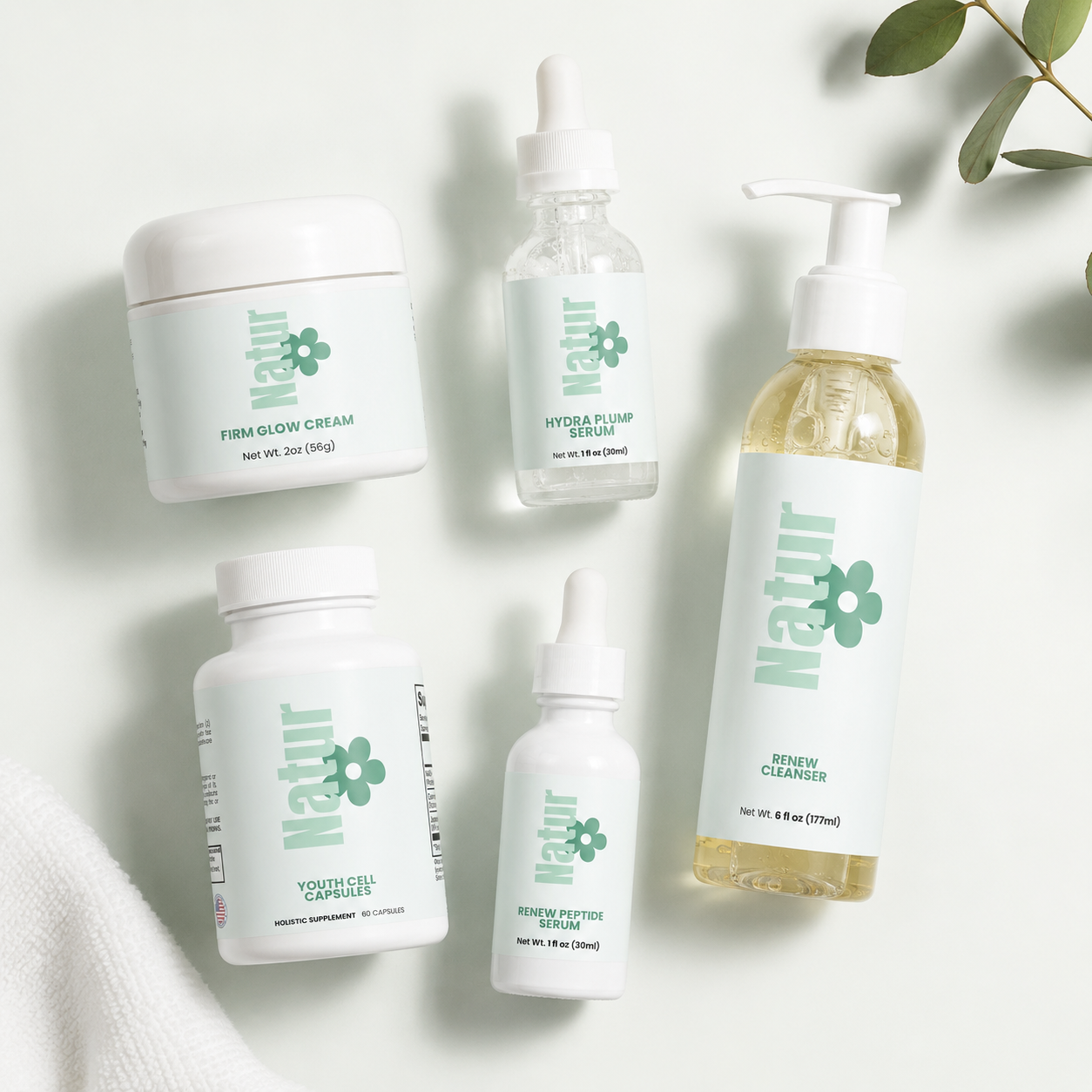
You could layer them, perhaps applying a few drops of rosehip oil first, letting it sink in, then following with jojoba oil to seal in moisture and provide that balancing touch. Alternatively, you could mix a drop of each in your palm before applying. For an easy way to incorporate both, consider a comprehensive product like the Natur Skin Glow set, which often includes carefully formulated oils designed to support a radiant complexion in various ways. It’s about creating a routine that gives your skin all the good stuff it needs without overdoing it.
Incorporating Oils into Your Routine
Whether you pick one or both, how you use them makes a difference. Always apply facial oils after water-based serums and before your heavier face creams. This layering technique helps each product do its best work. Start with clean skin, maybe after a gentle, fragrance-free cleanser, then a hydrating serum if you use one.
Warm a few drops of your chosen oil (or blend) between your palms, then gently press and massage it onto your face and neck. Don't forget your chest! This ritual not only helps the product absorb but also gives you a moment of mindful self-care. Follow up with a face cream if your skin feels dry, and don't forget mineral sunscreen in the morning.
Frequently asked questions
What is the difference between rosehip and jojoba oil?
Rosehip oil is rich in essential fatty acids and vitamins A and C, commonly used to support skin's natural regeneration and improve the look of uneven tone. Jojoba oil is a liquid wax ester similar to skin's natural sebum, known for its balancing and hydrating properties, often preferred for sensitive or breakout-prone skin.
Can you use rosehip and jojoba oil together?
Yes, absolutely! Many people find that rosehip and jojoba oil complement each other well. You can layer them, applying rosehip first and then jojoba, or mix a drop of each before application for enhanced benefits.
Which oil is better for acne-prone skin, rosehip or jojoba?
Jojoba oil is generally considered a good choice for acne-prone skin because it is non-comedogenic (less likely to clog pores) and mimics skin's natural sebum, which may help regulate oil production. Rosehip oil can also be beneficial, especially for helping with the look of post-breakout marks, but jojoba often gets the nod for overall balance in acne-prone skin types.
What are the main benefits of rosehip oil for skin?
Rosehip oil is commonly used to support skin's natural regeneration, which may help improve the look of fine lines and uneven skin tone. It's rich in vitamins A and C, which can help skin feel firmer and look more radiant.
How should I layer facial oils in my skincare routine?
Facial oils should generally be applied after water-based serums and before heavier face creams. Start with clean skin, apply your serum, then press a few drops of oil onto your face and neck, and follow with moisturizer if needed.
If you'd like a simple place to start, the Natur Skin Glow set pulls the supplements and skincare for this routine into one daily kit.

This article is for educational purposes only and is not medical advice. Always talk to a qualified healthcare professional before starting supplements or changing your health routine. These statements have not been evaluated by the Food and Drug Administration. Natur products are not intended to diagnose, treat, cure, or prevent any disease.