
Rosehip vs. Jojoba Oil: Which Is Right for You?
Understanding the benefits of these clean beauty stars for glowing skin.
8 min read

Picture this: you’re standing in front of a shelf brimming with beautiful glass bottles, each promising a natural, healthy glow. Two oils, in particular, often catch the eye of clean beauty enthusiasts: rosehip and jojoba. They’re both celebrated for their incredible skin-loving properties, but they’re not interchangeable. Think of them like two very talented musicians in a band – both contribute to the overall harmony, but they play different instruments and bring their own unique flair. So, how do you decide which one deserves a starring role in your routine? Let's dive into the world of these plant-powered wonders and figure out which one might be your skin's new best friend.
Meet Rosehip Oil: The Skin Regenerator
First up, let's talk about rosehip oil. This isn’t just any oil; it’s pressed from the seeds of wild rose bushes, often the Rosa canina species. And here's a fun fact: it’s not made from rose petals, so it doesn’t quite smell like a rose garden. Instead, it has a subtle, earthy scent. What makes rosehip oil so special is its rich composition. It’s packed with essential fatty acids, like linoleic and linolenic acid, which are vital for healthy-looking skin.
Beyond those fatty acids, rosehip oil contains natural Vitamin A – a different form from the retinoids you might hear about, but still very beneficial. This natural Vitamin A, along with Vitamin C and E, may help support the look of skin renewal and an even skin tone. Think of it as a gentle nudge to your skin to keep things looking fresh. Many people find it particularly useful for supporting the look of brighter, smoother skin.
Because of these properties, rosehip oil is often a go-to for those looking to improve the look of minor imperfections, support skin elasticity, and achieve an overall more radiant complexion. It's often embraced by those looking for an 'anti-aging' routine, as it can help skin feel firmer and appear more youthful over time.
Enter Jojoba Oil: The Skin Mimic
Now, let's turn our attention to jojoba oil. Unlike rosehip, which is truly an oil, jojoba is technically a liquid wax ester, derived from the seeds of the Simmondsia chinensis plant. This might sound like a technicality, but it's actually key to understanding why jojoba oil is so beloved. Its structure is incredibly similar to the natural sebum our skin produces. This means our skin recognizes it and often responds beautifully, almost like a long-lost friend.
This unique similarity to sebum makes jojoba oil incredibly versatile. It’s a fantastic choice for balancing the look of oil production, meaning it can help oily skin feel less greasy and dry skin feel more nourished. It's also non-comedogenic, which is a fancy way of saying it's less likely to clog pores – a huge win for anyone prone to breakouts. Because it’s so well-tolerated and gentle, jojoba oil is often recommended for those with sensitive skin.
Jojoba oil is also known for being very stable, meaning it has a long shelf life. It’s rich in vitamins and minerals, helping to moisturize and protect the look of your skin barrier. Think of it as a smart, adaptable oil that understands your skin’s needs and works to support its natural balance.
Rosehip vs. Jojoba: A Quick Comparison
So, how do these two clean beauty heavyweights stack up?
Rosehip oil is often considered more 'active' due to its natural Vitamin A and C content. It’s fantastic for visible skin renewal, helping to improve the look of skin tone, texture, and supporting a healthy glow. If you're looking for something that seems to visibly address skin texture or sun exposure, rosehip might be your choice.
Jojoba oil, on the other hand, is a superstar moisturizer and balancer. It’s less about 'active' visible change and more about supporting the skin's natural functions, providing deep hydration without feeling heavy, and helping to regulate oil. It's an excellent choice for daily maintenance, balancing combination skin, or soothing sensitive skin.
Here’s a little snapshot:
- **Rosehip Oil:** May help improve the look of skin texture and tone, supports a radiant complexion, good for skin that needs visible rejuvenation.
- **Jojoba Oil:** Mimics skin's natural sebum, excellent moisturizer, helps balance oil production, soothing for sensitive skin, non-comedogenic.
Choosing Your Oil: What Does Your Skin Need?
Now for the big question: which one is right for *you*? It really comes down to your skin type and concerns. There’s no one-size-fits-all here, and that’s the beauty of clean beauty – you get to tune into what your skin is telling you.
**If you have dry, mature, or dull-looking skin:** Rosehip oil is often a beautiful choice. Its ability to support the look of skin renewal and brightness can help bring back that youthful glow. It’s also often preferred by those looking to soften the appearance of fine lines and an uneven skin tone.
**If you have oily, combination, or sensitive skin, or are prone to breakouts:** Jojoba oil might be your hero. Its sebum-like structure makes it excellent for balancing oil production without clogging pores. It can provide needed moisture without adding to excess shine and is generally very gentle.
**What if your skin is 'normal' or you just want an everyday boost?** Both are fantastic! Jojoba can be a wonderful daily moisturizer, while rosehip can be used a few times a week for an extra glow boost. You don't have to choose just one forever.
Incorporating Them into Your Routine (or Both!)
So, you’ve picked your oil, or maybe you’re thinking about trying both (smart move!). How do you make them part of your clean beauty routine? For best results, oils are generally applied after serums and before or mixed with your face cream, as they help to seal in moisture and other beneficial ingredients.
For a simple yet powerful routine, you might cleanse your face with a gentle, fragrance-free cleanser, then apply a hydrating serum. After that, gently press a few drops of your chosen oil into your skin. Finish with a clean face cream if your skin needs more moisture. If you’re using both, you could use jojoba in the morning for its balancing properties and rosehip at night to support skin renewal while you sleep.
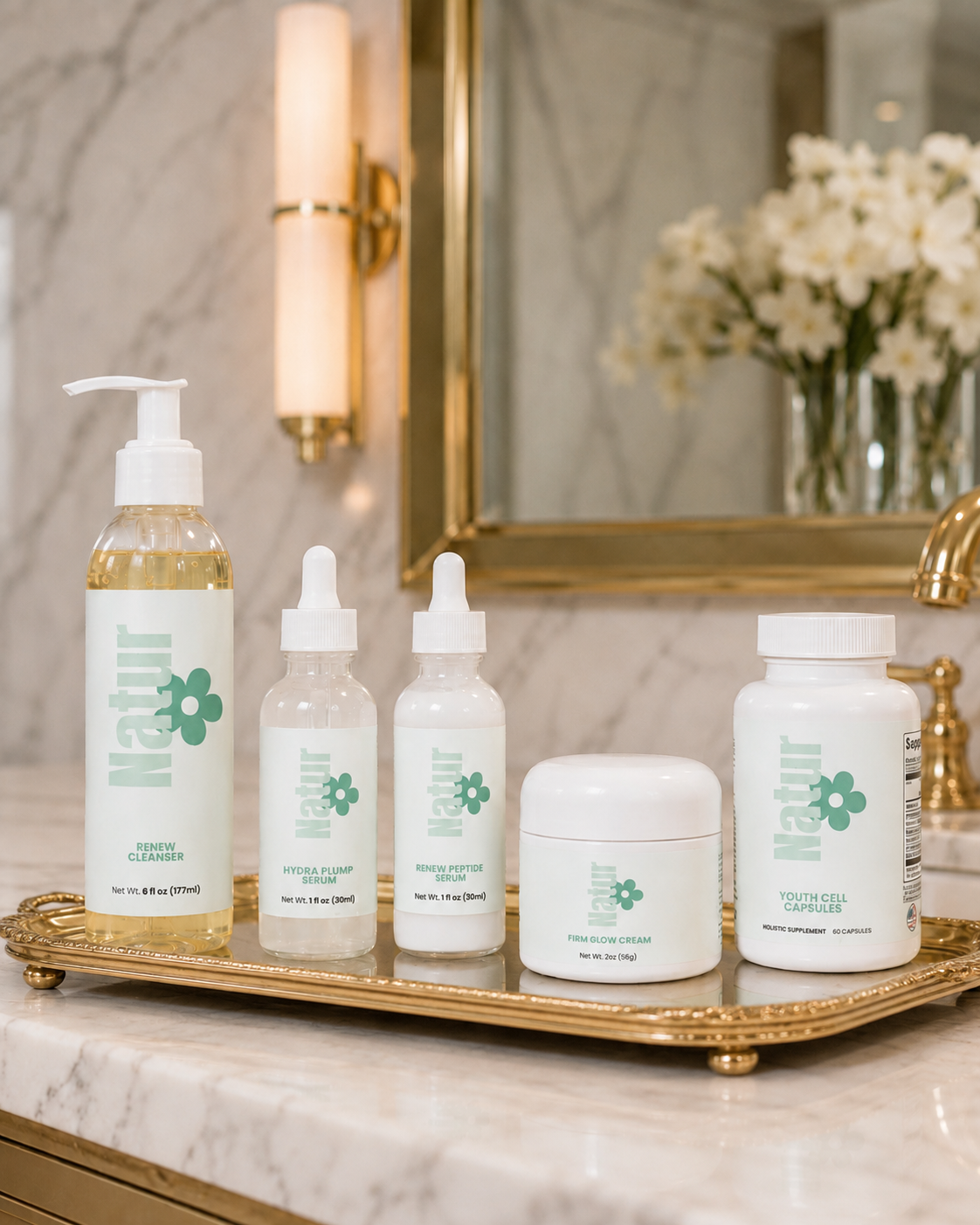
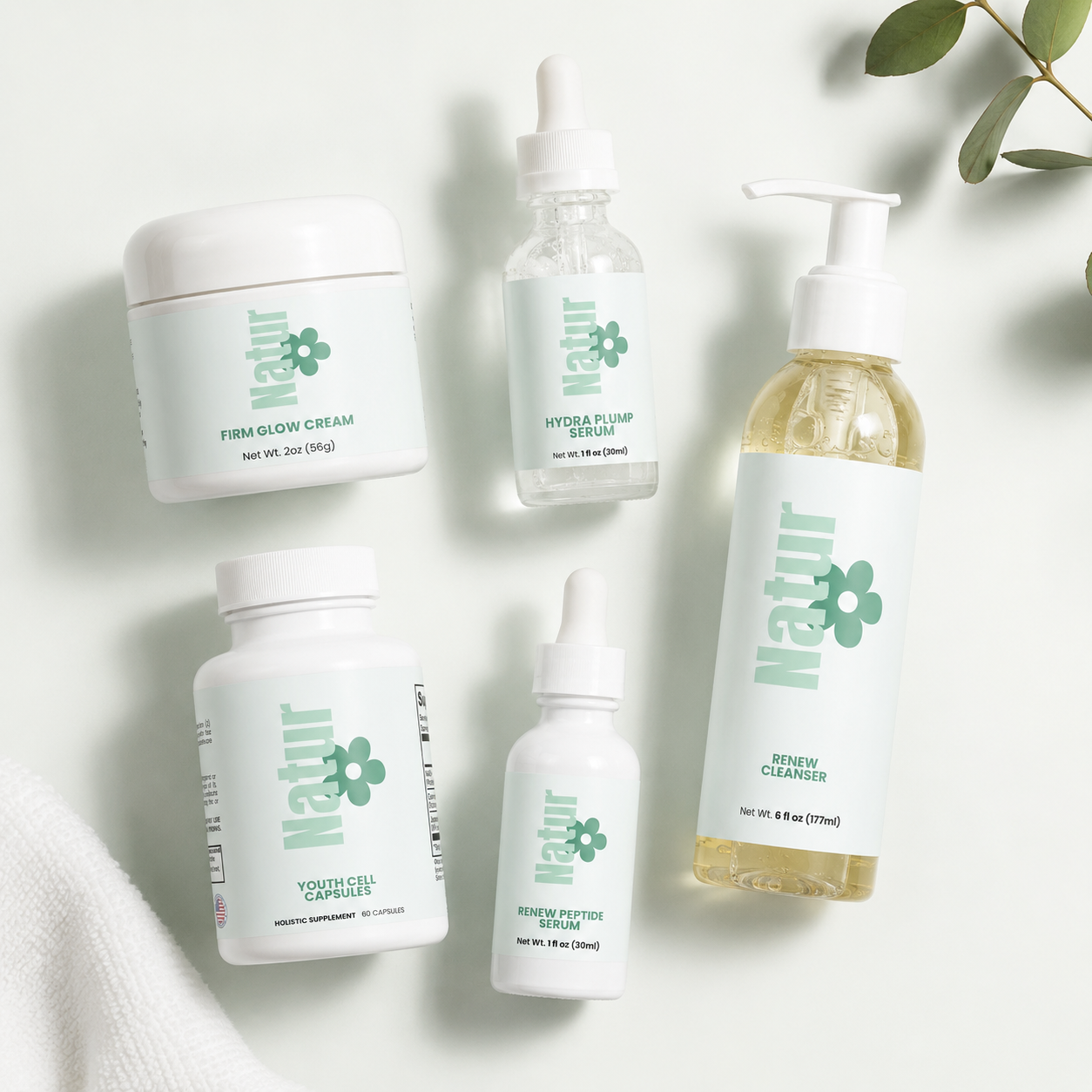
The Natur Skin Glow Set, for example, is designed to support an inside-and-out glow. It focuses on products that work synergistically. While our set might feature a beautifully crafted facial oil, understanding ingredients like rosehip and jojoba helps you tailor your routine even further, or find complementary support in your journey to radiant skin. Maybe you use our facial oil for daily glow and add a specific rosehip or jojoba oil a few times a week for targeted benefits.
Remember, consistency is key with any skincare routine. Give your skin time to adjust and show you how it's responding to these natural wonders. A new product might take a few weeks to show its full potential.
A Final Thought on Your Skin's Journey
Choosing between rosehip and jojoba oil isn't about one being 'better' than the other; it's about understanding what your unique skin craves. Both offer incredible, clean beauty benefits, supporting your skin's natural radiance in different ways. Listen to your skin, observe how it reacts, and enjoy the process of discovering what makes it truly glow. Skincare is a personal journey, and natural oils are beautiful companions along the way.
Frequently asked questions
What is the main difference between rosehip and jojoba oil?
Rosehip oil is rich in natural Vitamin A and fatty acids, often used to improve the look of skin tone and texture. Jojoba oil is a liquid wax ester that closely mimics the skin's natural sebum, making it excellent for moisturizing, balancing oil production, and soothing sensitive skin.
Can you use rosehip oil and jojoba oil together?
Yes, absolutely! Many people use both. You could layer them (jojoba first, then rosehip, or vice versa, depending on preference) or use one in the morning and the other at night. Jojoba can also act as a carrier oil for rosehip.
Is rosehip oil good for oily skin?
While rosehip oil may not be the first choice for very oily skin due to its richness, it can be used sparingly. Its natural Vitamin A may help support skin renewal, which can benefit some oily skin types. However, jojoba oil is often preferred for oily skin because it helps balance natural oil production.
Is jojoba oil good for sensitive skin?
Yes, jojoba oil is highly regarded for sensitive skin. Its composition is very similar to our skin's natural sebum, making it well-tolerated and less likely to cause irritation. It's also non-comedogenic, meaning it typically won't clog pores.
Which oil is better for supporting a youthful look: rosehip or jojoba?
Rosehip oil is often favored for supporting a youthful look because its natural Vitamin A and C content may help improve the look of skin texture, tone, and firmness, contributing to an overall more radiant appearance. Jojoba oil supports skin health and hydration, which is also important for maintaining a youthful look, but rosehip has more targeted visible renewal properties.
If you'd like a simple place to start, the Natur Skin Glow set pulls the supplements and skincare for this routine into one daily kit.

This article is for educational purposes only and is not medical advice. Always talk to a qualified healthcare professional before starting supplements or changing your health routine. These statements have not been evaluated by the Food and Drug Administration. Natur products are not intended to diagnose, treat, cure, or prevent any disease.