
Rosehip Oil vs Jojoba: Picking Your Glow
Natural oils can be wonderful for your skin. Here’s how to choose what’s right for you.
6 min read
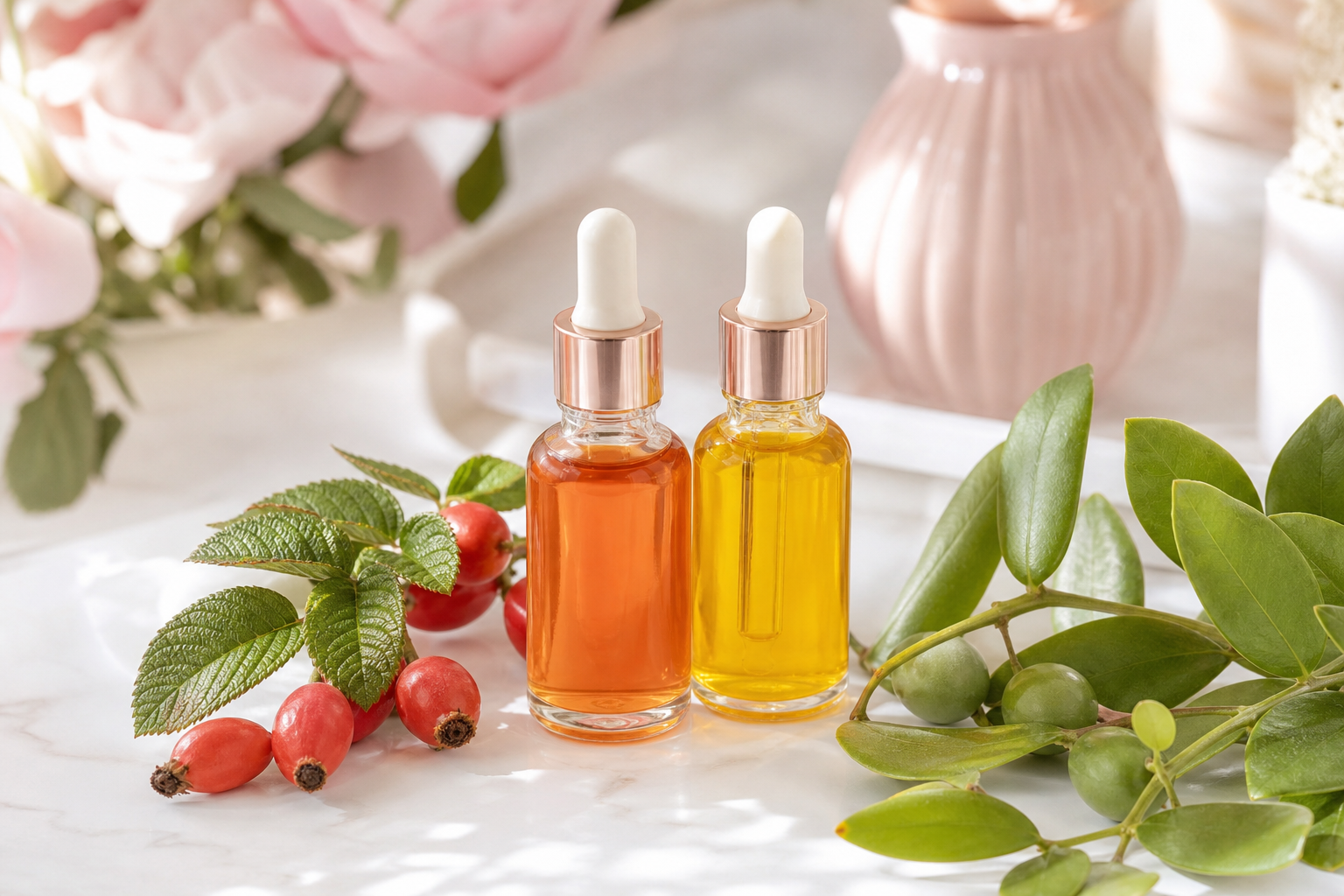
Okay, so you're on board with clean beauty, and you've heard all the buzz about natural oils. Rosehip oil, jojoba oil – they’re everywhere, and for good reason! These two are like the popular kids in the natural skincare lineup, each with its own fan club. But when you’re looking to support your skin's glow, how do you choose? It's not about one being 'better' than the other, but rather understanding what each one brings to the table and what your skin might be craving. Let's dig into these plant-powered gems and figure out which one is your perfect match for that radiant, healthy look.
Meet Rosehip Oil: The Skin Whisperer
First up, rosehip oil! This lovely oil comes from the seeds of wild rose bushes, mostly found in Chile. It's often called a 'dry oil' because it absorbs pretty quickly without leaving a super greasy feeling. What makes it special? It’s packed with naturally occurring fatty acids, like linoleic and linolenic acids, which are fantastic companions for your skin.
Many people reach for rosehip oil when they want to address the look of uneven skin tone or support a brighter complexion. Its properties may help skin feel smoother and more supple. Think of it as a cheerleader for skin that’s seen a few sunny days too many, or just skin that needs a little extra love to look its best. It's especially popular in anti-aging routines because it may improve the look of fine lines and a dull complexion.
Say Hello to Jojoba Oil: Your Skin’s Best Friend
Now, let's talk about jojoba oil. Fun fact: it's not actually an oil in the traditional sense, but a liquid wax ester! This matters because its structure is incredibly similar to the natural sebum (oil) your skin produces. Jojoba is native to the Sonoran Desert, primarily in Arizona, California, and Mexico. This unique similarity to our skin's own oils is what makes jojoba oil such a superstar.
Because it mimics our skin’s natural oil so well, jojoba oil is often well-tolerated by various skin types, even those that tend to be oily or prone to breakouts. It can help skin feel balanced and conditioned without clogging pores. Many people use it to moisturize, gently remove makeup, or even condition cuticles. It’s a very versatile, do-it-all kind of oil, offering gentle support for daily skin wellness.
Rosehip vs. Jojoba: Who Wins?
Okay, so which one should you choose? It really depends on what you're hoping to achieve. You know your skin best!
If your skin feels dull, has some visible marks you'd like to fade the look of, or you’re focusing on an anti-aging routine to improve the look of fine lines, rosehip oil might be your go-to. It's an oil designed to support renewal and a more radiant appearance. Our Natur Radiance & Repair Serum, for example, combines rosehip oil with other nourishing ingredients for a targeted glow.
If your skin is on the oilier side, prone to congestion, or you just need a reliable, everyday moisturizer that feels lightweight and balanced, jojoba oil could be a wonderful choice. It’s fantastic for gently supporting skin hydration without feeling heavy. It's a great base oil and a lovely choice for maintaining overall skin health and moisture.
Many people also find that a routine featuring both oils at different times or layered skillfully can be very effective. Perhaps rosehip for targeted evening support, and a light touch of jojoba for daytime moisture.
How to Use These Clean Beauty Heroes
Integrating these oils into your routine is pretty simple. After cleansing and any water-based serums you use, take a few drops of your chosen oil (or a blend, like the Natur Skin Glow set which features key oils for a balanced routine), warm it between your palms, and gently press it into your face and neck. You can also mix a drop or two into your face cream for an extra boost.
For rosehip oil, starting with a few drops in the evening can be a great way to let it work its magic overnight. For jojoba oil, it’s versatile enough for both morning and evening application, offering that soft, supple feeling all day. Remember, a little goes a long way with these potent plant extracts!
The Glow Natur Philosophy: Supporting Your Skin Naturally
At Natur, we believe in clean, gentle ingredients that work with your skin, not against it. That's why oils like rosehip and jojoba are staples in many of our formulations. We’re all about creating products that support your natural radiance and help you build a routine that feels good and delivers beautiful, healthy-looking skin. Our Natur Skin Glow set, for example, is designed with carefully selected oils and serums to support overall skin vibrancy and a healthy-looking complexion, understanding that different skin needs different things to truly shine.
Supporting your skin’s natural barrier and nurturing it with plant-based ingredients is key to achieving that inside-out glow. Whether you lean towards the brightening potential of rosehip or the balancing comfort of jojoba, you're choosing ingredients that aim to support your skin's well-being for the long haul. Remember to always patch test new products to ensure they're a good fit for your unique skin.
Your Skin, Your Choice
Ultimately, the best oil for your skin is the one that makes it feel happy, comfortable, and provides the results you're looking for. There's no one-size-fits-all in skincare, and that's the beauty of it. Experiment a little, listen to what your skin is telling you, and enjoy the process of discovering which natural oil helps you glow your brightest.
Frequently asked questions
What is the difference between rosehip oil and jojoba oil?
Rosehip oil, from rose seeds, is rich in fatty acids and often used to improve the look of skin tone and texture. Jojoba oil, a liquid wax, closely mimics skin's natural sebum, making it excellent for balancing and moisturizing all skin types, including oily.
Which is better for oily skin, rosehip or jojoba?
Jojoba oil is generally preferred for oily skin because its composition is very similar to natural sebum, which can help balance oil production without clogging pores. Rosehip oil can also be used, but jojoba often feels lighter and more balancing for oilier complexions.
Can I use both rosehip oil and jojoba oil together?
Yes, absolutely! Many people use both. You could apply rosehip oil nightly for its renewing properties and use jojoba oil for lighter daytime moisturizing or as a carrier for other ingredients. Or, you can layer them: apply a few drops of rosehip, then follow with jojoba, or even mix a drop of each.
What are the benefits of rosehip oil for skin?
Rosehip oil may help improve the look of uneven skin tone, support a brighter complexion, and reduce the visible appearance of fine lines and dry skin. It’s often chosen for its ability to help skin feel smoother and more revitalized.
What are the benefits of jojoba oil for skin?
Jojoba oil is known for its moisturizing and conditioning properties. Because it's so similar to skin's natural oils, it can help skin feel balanced and hydrated without feeling greasy. It's often used for general moisture, makeup removal, and to support a healthy skin barrier.
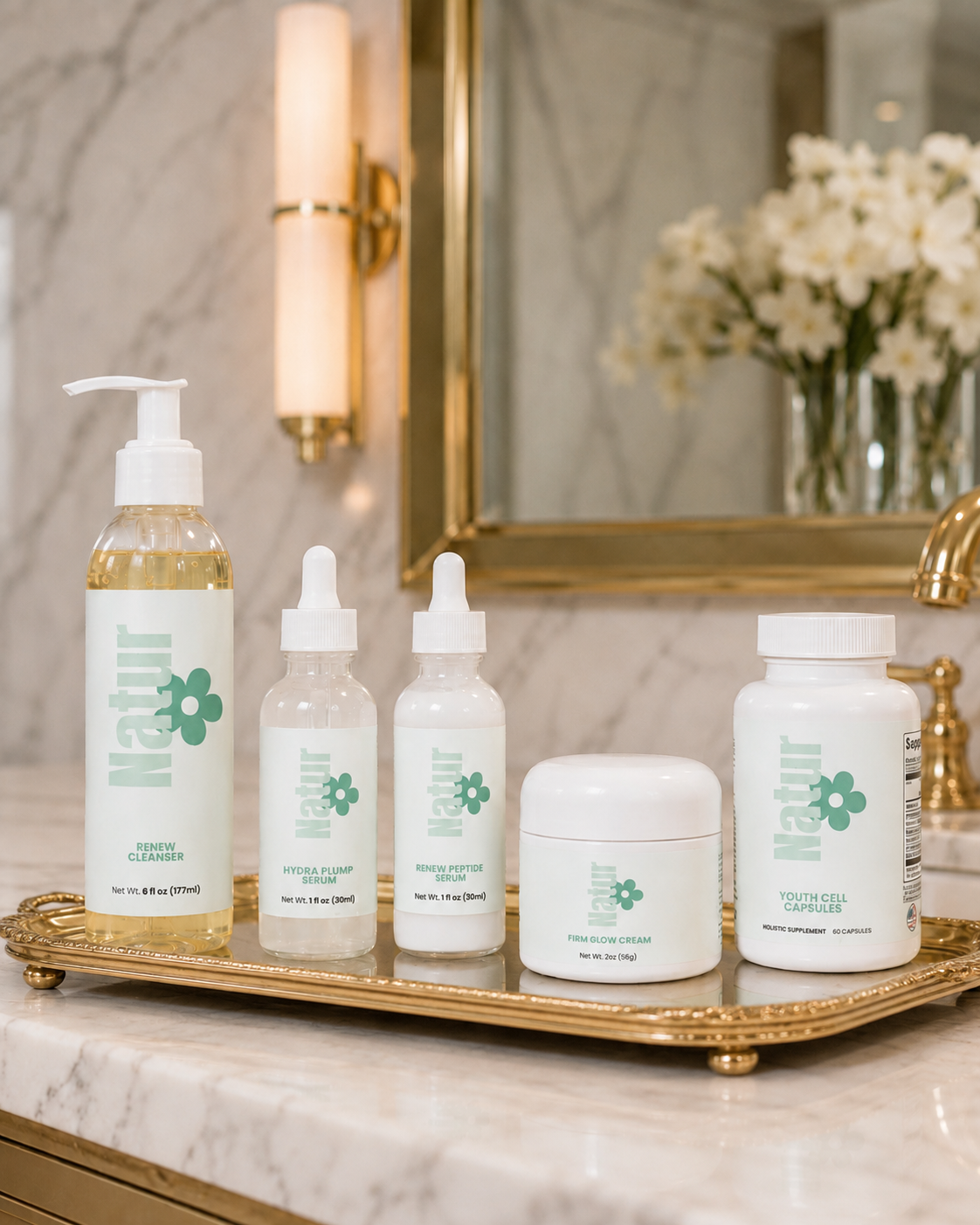
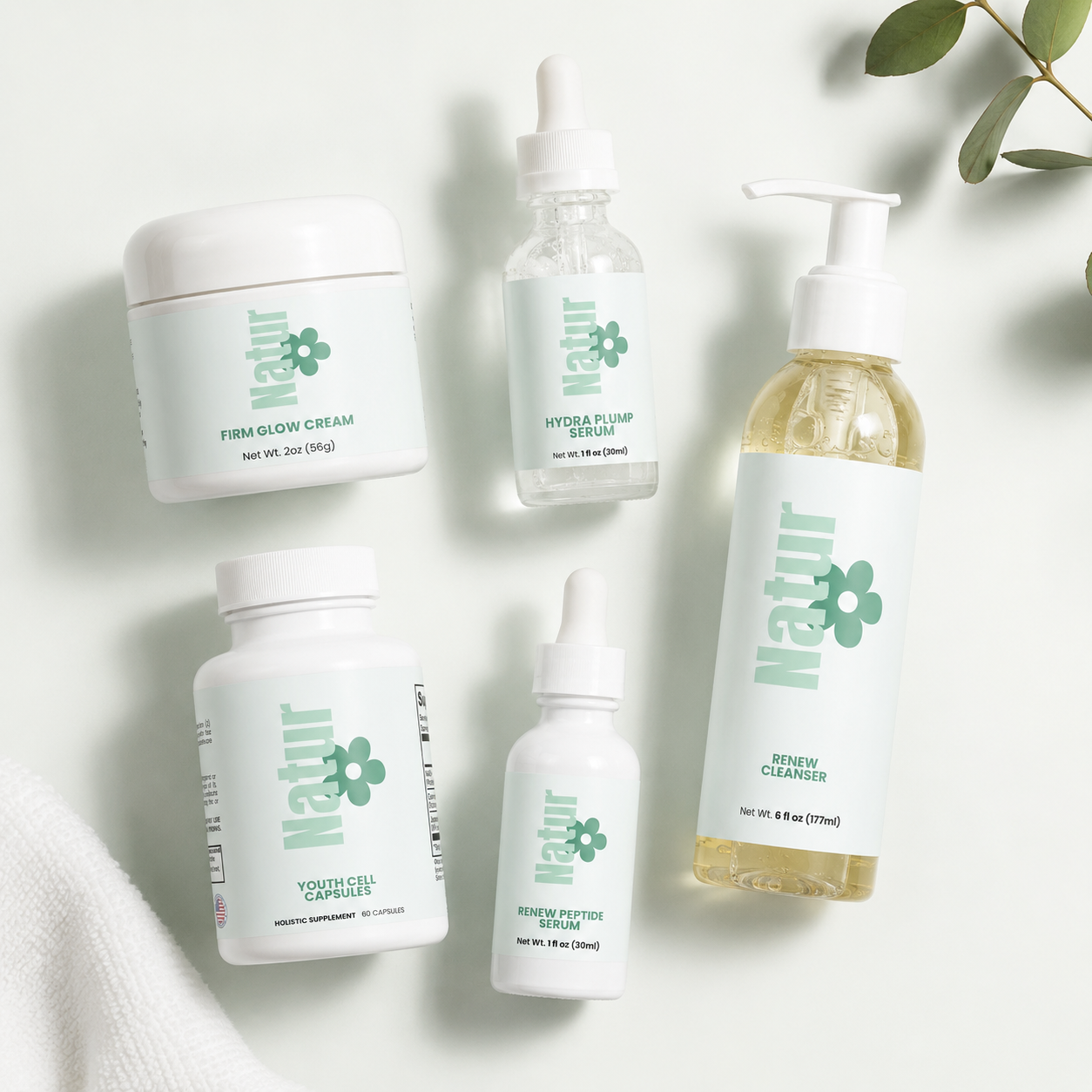
If you'd like a simple place to start, the Natur Skin Glow set pulls the supplements and skincare for this routine into one daily kit.

This article is for educational purposes only and is not medical advice. Always talk to a qualified healthcare professional before starting supplements or changing your health routine. These statements have not been evaluated by the Food and Drug Administration. Natur products are not intended to diagnose, treat, cure, or prevent any disease.