
Rosehip Oil vs. Jojoba Oil: Which Is Best?
Discover the unique benefits of two clean beauty favorites for glowing skin.
6 min read
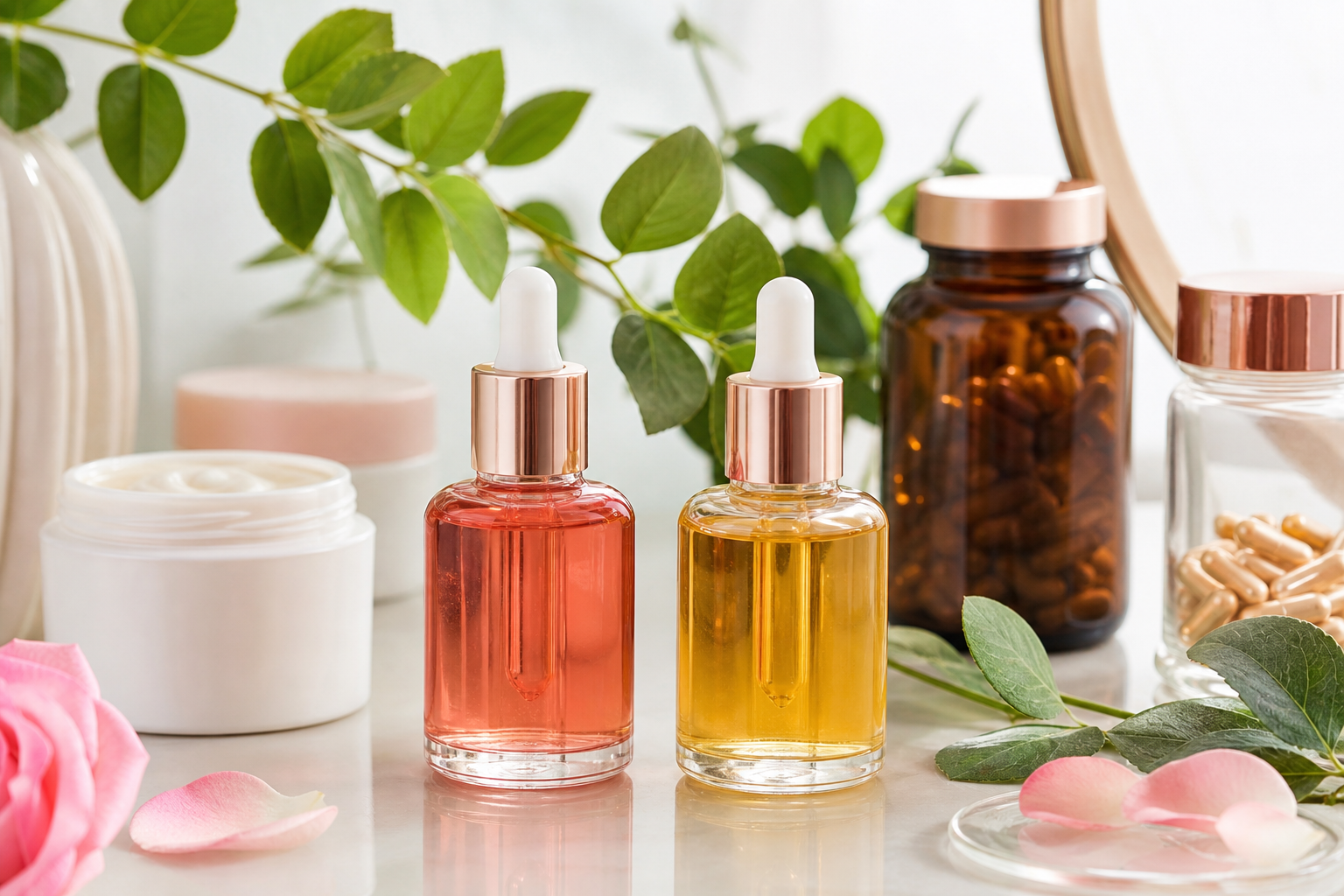
Walk into any clean beauty store (or just peek at your friend’s bathroom shelf!) and you’re likely to spot a bottle of either rosehip oil or jojoba oil. Both are superstars in the skincare world, celebrated for their natural goodness and ability to help skin look and feel great. But what’s the real difference between them? And which one should *you* be reaching for? Let's dive in and demystify these two plant-based powerhouses, because clear skin doesn't need to be complicated.
Rosehip Oil: The Regenerative Dream
First up, let's talk about rosehip oil. This lovely oil is pressed from the seeds of wild rose bushes, mostly from the Andes Mountains in Chile. It's often called 'nature's retinol' – but don't get it twisted, it's not actually retinol! What that nickname points to is its impressive blend of essential fatty acids, like linoleic and linolenic acid, and a good amount of Vitamin A (not retinol itself, but a precursor called retinoic acid). These components may help support skin cell turnover and improve the look of skin texture and tone. If you're looking to diminish the appearance of fine lines, or even out skin tone, rosehip oil might be your new best friend.
Many people find rosehip oil incredibly helpful for skin that's seen a bit too much sun, or for supporting a more even complexion. It’s also often used for its emollient properties, helping skin feel soft and supple. Because it’s a 'dry' oil, it absorbs pretty quickly without leaving a heavy, greasy feeling behind. This makes it a great choice for various skin types, including those that might usually shy away from oils.
Jojoba Oil: The Skin Mimic
Now, onto jojoba oil. This one isn't actually an oil in the traditional sense; it's a liquid wax ester, and that's exactly what makes it so special. Jojoba (pronounced ho-HO-ba) wax is derived from the seeds of the Simmondsia chinensis plant, a shrub native to the southwestern US and Mexico. The cool thing about jojoba oil is that its molecular structure is incredibly similar to the sebum your skin naturally produces. Imagine that! Your skin recognizes it almost like its own, which means it rarely causes irritation.
Because it mimics natural sebum so well, jojoba oil is a fantastic regulator. For oily skin, it can signal to your skin that it has enough oil, potentially helping to reduce excessive oiliness. For dry skin, it provides a gentle, nourishing layer that helps lock in moisture. It’s non-comedogenic, meaning it's unlikely to clog pores, and it can be a wonderful, gentle choice for sensitive or acne-prone skin. It’s also a stable oil, so it won’t go rancid quickly, making it a great base for many skincare formulations.
Picking Your Perfect Plant Partner
So, how do you choose? It really comes down to your personal skin goals and type. If you're looking for support with skin texture, wanting to improve the look of fine lines, or even out the appearance of past sun exposure, rosehip oil offers a wonderful set of properties. It’s a bit more 'active' in its feel and can be a fantastic addition to an anti-aging routine. Just remember to start slow, especially if your skin is on the sensitive side, to see how it reacts.
On the other hand, if you're seeking general hydration, barrier support, or a gentle oil that balances your skin's natural oil production without feeling heavy, jojoba oil is an excellent pick. It’s wonderfully versatile and often a great starting point for those new to face oils. Its similarity to your skin's natural oils makes it a true crowd-pleaser.
Can't Decide? Use Both!
Here's a secret: you don't always have to pick just one! Many people find wonderful benefits from incorporating both rosehip and jojoba oil into their routine. You could use rosehip oil at night for its regenerative properties and jojoba oil in the morning for lightweight hydration and protection. Or, you could layer them – for example, a few drops of rosehip, allowed to absorb, followed by a lighter layer of jojoba.
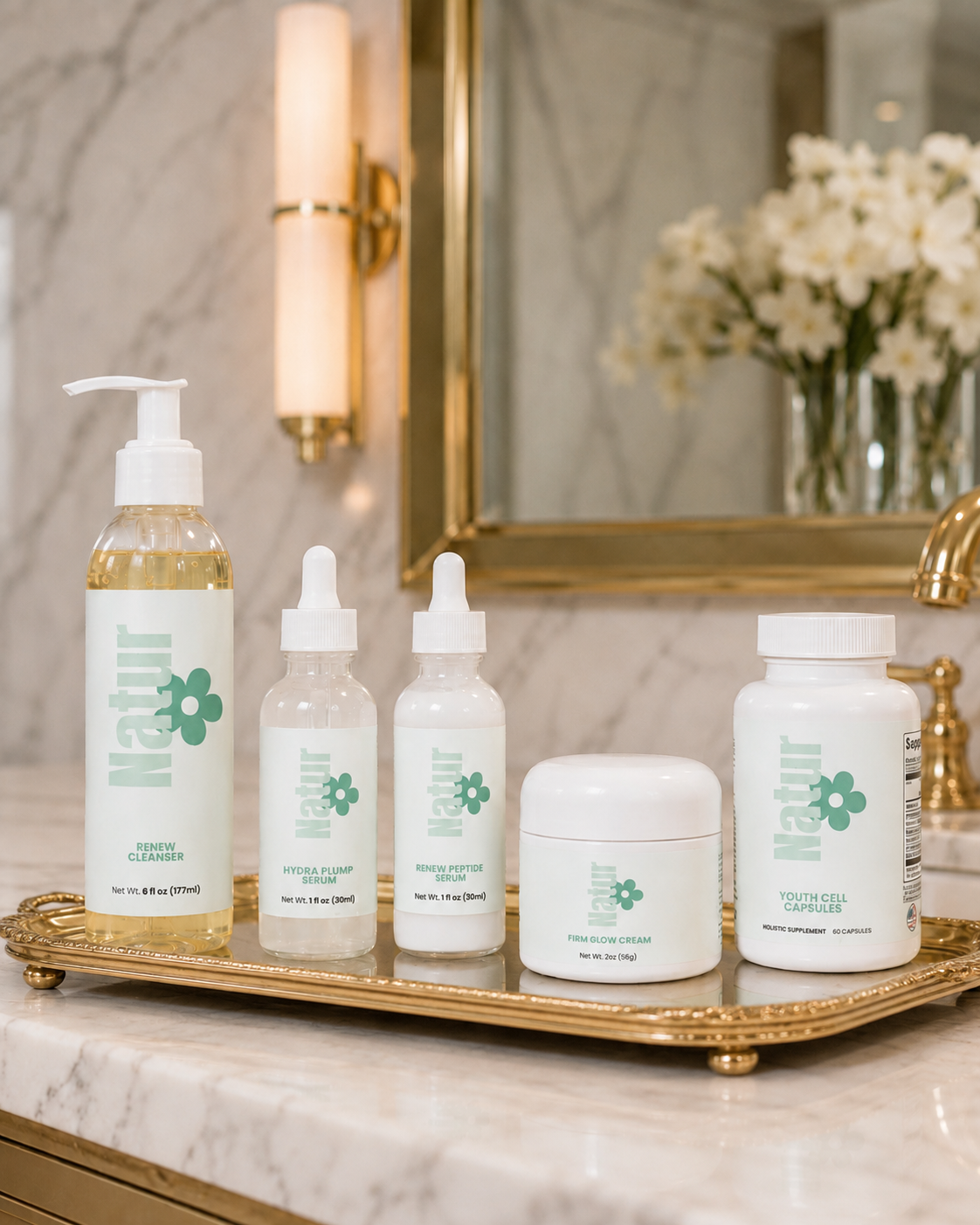
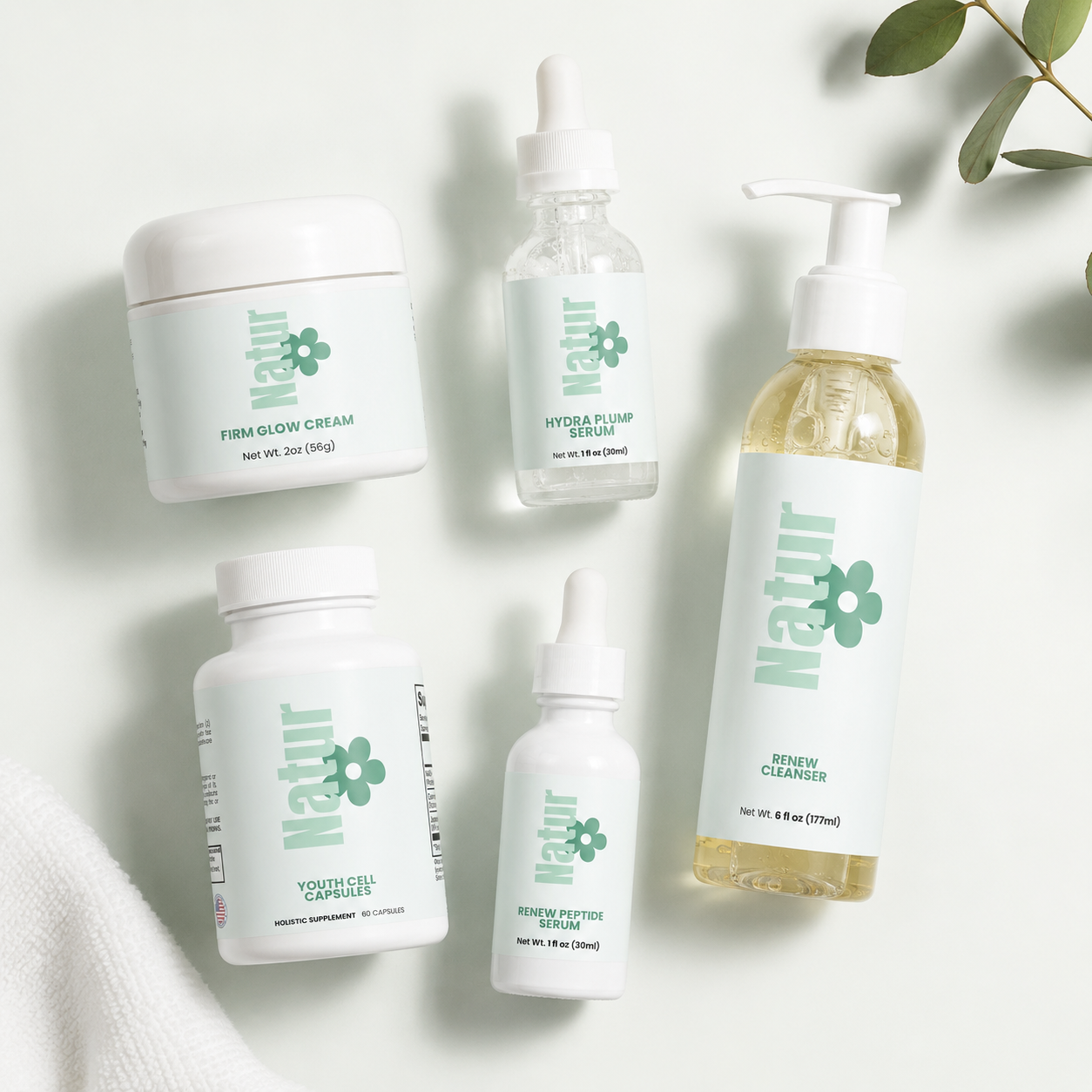
At Natur, we truly believe in giving your skin exactly what it needs, simply and cleanly. Our Natur Skin Glow set, for example, is designed with this philosophy, featuring formulations that may support a radiant complexion from within and without, complementing the benefits of clean oils like rosehip and jojoba. Think of it as supporting your skin’s best self with thoughtfully chosen ingredients.
A Simple Routine for Real Results
No matter which oil (or oils!) you choose, the key is consistency and a clean approach. Start with a gentle, fragrance-free cleanser, then apply any serums you use. If you're using a face oil, a few drops warmed between your palms and gently pressed into damp skin is usually enough. Follow with a clean, gentle moisturizer to seal it all in. In the morning, always finish with a mineral sunscreen to protect your progress.
The Glow Natur Approach to Oils
In the realm of clean beauty, plant oils like rosehip and jojoba truly shine. They offer a direct connection to nature's support for skin health, without unnecessary additives or harsh chemicals. It’s about nourishing your skin, helping it thrive, and supporting its natural radiance. Understanding the subtle differences between these stellar ingredients empowers you to make choices that genuinely resonate with your skin’s needs. It's about finding what feels right for you, not just what's trending. The best skincare often comes from listening to your unique skin and providing it with the gentle, effective nourishment it deserves.
Frequently asked questions
Is rosehip oil anti-aging?
Rosehip oil contains Vitamin A (specifically retinoic acid precursors) and essential fatty acids that may help improve the look of fine lines and contribute to a more youthful complexion. It's often chosen to support the appearance of skin aging.
Can I use rosehip oil and jojoba oil together?
Absolutely! Many people find combining rosehip and jojoba oil to be very beneficial. You can layer them, applying rosehip oil first and then jojoba, or even mix a few drops of each together before applying.
Which oil is better for oily skin?
Jojoba oil is frequently recommended for oily skin because its structure is similar to your skin's natural sebum, which can help signal your skin to produce less oil. It's also non-comedogenic and light. Rosehip oil is also a 'dry' oil that absorbs well and can be suitable for many oily skin types.
How to use rosehip oil for skin?
After cleansing and toning, apply 2-4 drops of rosehip oil to your face and neck. Gently massage it in, then follow with your moisturizer. It's often preferred for nighttime use due to its more active properties.
If you'd like a simple place to start, the Natur Skin Glow set pulls the supplements and skincare for this routine into one daily kit.

This article is for educational purposes only and is not medical advice. Always talk to a qualified healthcare professional before starting supplements or changing your health routine. These statements have not been evaluated by the Food and Drug Administration. Natur products are not intended to diagnose, treat, cure, or prevent any disease.