
Rosehip Oil vs Jojoba Oil: Skin's Best Friend?
Choosing the Right Clean Beauty Oil for Your Glow Goals
8 min read
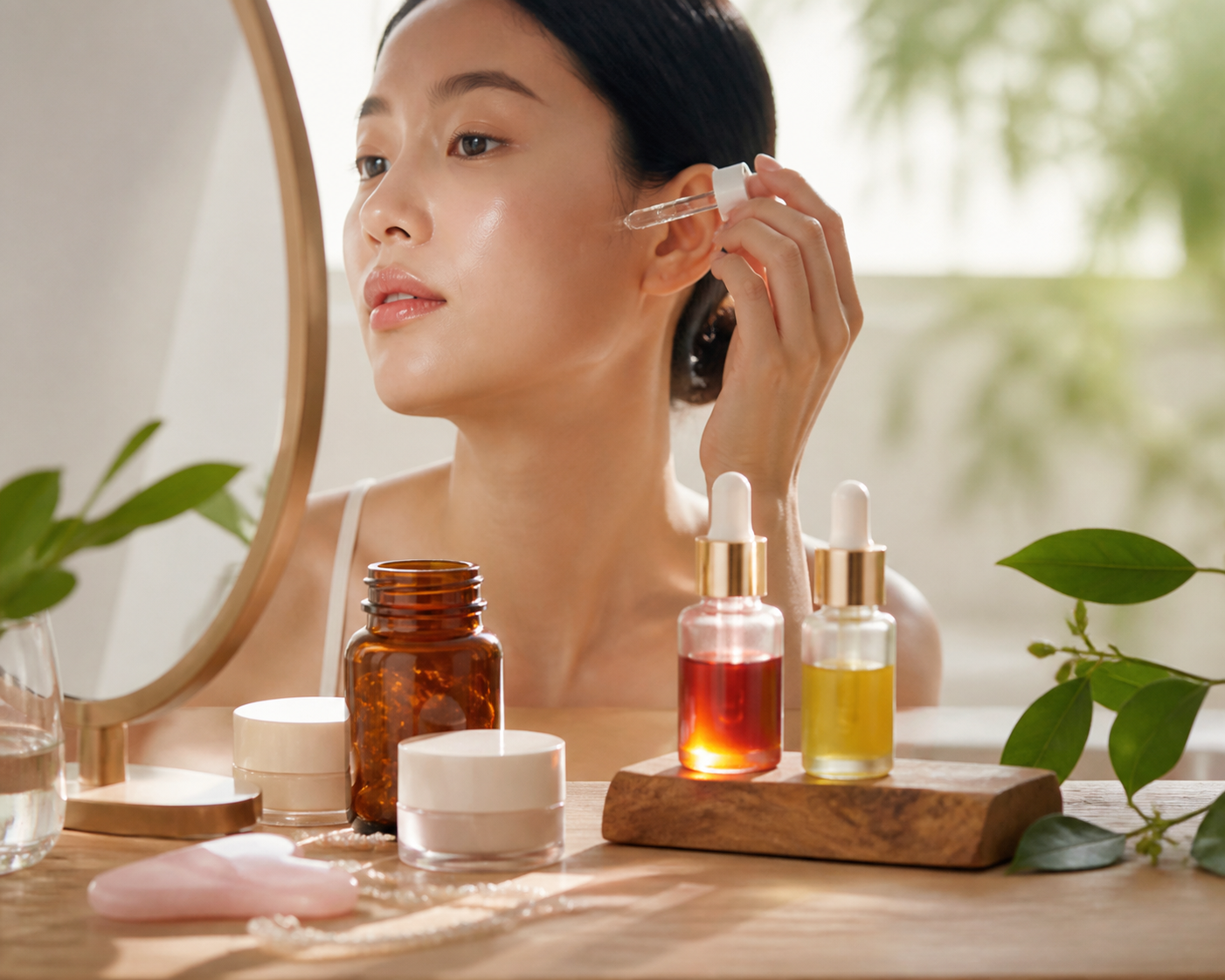
Okay, let's be honest. Sometimes the world of skincare oils feels a bit like a secret club with too many passwords. You hear about rosehip oil making skin look vibrant, then turn around and see jojoba oil praised for balancing everything out. It's enough to make you just want to stick with your basic moisturizer and call it a day, right? But here's the thing: natural oils are some of the hardest-working ingredients in clean beauty, and once you get to know them, they can make a real difference in how your skin feels and looks. Today, we're diving into two of the most popular and beloved: rosehip oil and jojoba oil. They're both fantastic, but they're not exactly twins. Let's figure out which one (or maybe both!) belongs in your skincare lineup for that coveted, healthy-looking glow.
Rosehip Oil: The Brightening & Renewing Star
Think of rosehip oil as your skin's little cheerleader for renewal. This beautiful oil, extracted from the seeds of wild rose bushes (often Rosa canina, if you're curious!), is packed with good-for-you compounds. It's famous for containing natural retinoic acid, a form of Vitamin A, which is a big deal in the world of skin support. But don't confuse it with synthetic retinol; rosehip's version is much gentler, offering its benefits without the intense side effects often associated with stronger retinoids.
What does this mean for your skin? Well, many people find that regular use of rosehip oil can help support a more even-looking skin tone. It may help improve the look of dark spots and hyperpigmentation, leaving your complexion looking brighter and more uniform. It's also rich in essential fatty acids (like omega-3 and omega-6), which are like a cozy blanket for your skin's barrier, helping it feel stronger and more supple. For anyone looking to support the appearance of fine lines or just wants a generally more vibrant look, rosehip oil is often a go-to.
Because of its renewing properties, rosehip oil is often favored by those with mature skin, or skin that's seen a bit too much sun and needs a little TLC to help it look its best. It has a lovely, often slightly earthy scent and a reddish-orange hue, which comes from the natural carotenoids (another antioxidant!) within the oil. A little goes a long way, and its color can temporarily tint skin, so it's often best used as part of an evening routine or mixed with another product.
Jojoba Oil: The Skin-Balancing Mimic
Now, let's talk about jojoba oil. Unlike most plant oils that are true oils, jojoba is actually a liquid wax ester. This might sound like a technicality, but it's really important because it means jojoba oil is incredibly similar to your skin's own natural sebum. Yes, the stuff your skin already produces! Because of this unique similarity, jojoba oil is often called a 'balancer' for skin.
When you apply jojoba oil, your skin 'recognizes' it, which can help signal to your sebaceous glands that they've produced enough oil. This can be fantastic for people with oily or combination skin, as it may help support a less shiny, more balanced complexion. But don't think it's just for oily skin! Because it's so close to our own skin's composition, it's also incredibly nourishing and soothing for dry or sensitive skin types. It's a fantastic emollient, meaning it helps to lock in moisture without feeling heavy or greasy, making it a wonderful base for other products or a gentle moisturizer on its own.
Jojoba oil is very stable, has a very mild scent, and is golden in color. It's often used as a carrier oil for essential oils, but it's a powerhouse all on its own. For anyone looking for an oil that feels universally friendly, can help support skin balance, and adds a soft, supple feel, jojoba oil is a true champion.
So, Which One for Your Skin?
Okay, now for the million-dollar question: rosehip oil or jojoba oil? The best answer, like with most things skincare, depends on what your skin is asking for! Here’s a quick guide:
**Choose Rosehip Oil if you want to:**
- Support a more even-looking skin tone and help with the appearance of dark spots.
- Improve the look of fine lines and a dull complexion.
- Encourage skin that looks and feels renewed and vibrant.
- Provide antioxidant support for mature or sun-exposed skin.
**Choose Jojoba Oil if you want to:**
- Help balance oily or combination skin without stripping it.
- Provide gentle moisture and soothing for sensitive or reactive skin.
- Mimic your skin’s natural oils for harmonious hydration.
- Lock in moisture without feeling heavy or causing breakouts for many people.
- Use a versatile oil that works well under makeup or as a general face and body moisturizer.
Sometimes, your skin might even love a little bit of both! For instance, you could use rosehip oil at night to support renewal and jojoba oil in the morning for lightweight hydration and balance. Or, you could layer them, applying a lighter oil like Natur's Renewing Radiance Rosehip Oil first, followed by a more emollient one like jojoba, or even a nourishing face cream.
How to Incorporate Them into Your Glow Natur Routine
Adding either rosehip or jojoba oil into your existing clean beauty routine is pretty simple. After cleansing and applying any water-based serums (like a hyaluronic acid serum), you'd typically apply your oil. A few drops are usually all you need. Warm it between your palms and gently press it onto your face, neck, and décolletage. You can follow with your face cream to really seal in all that goodness.
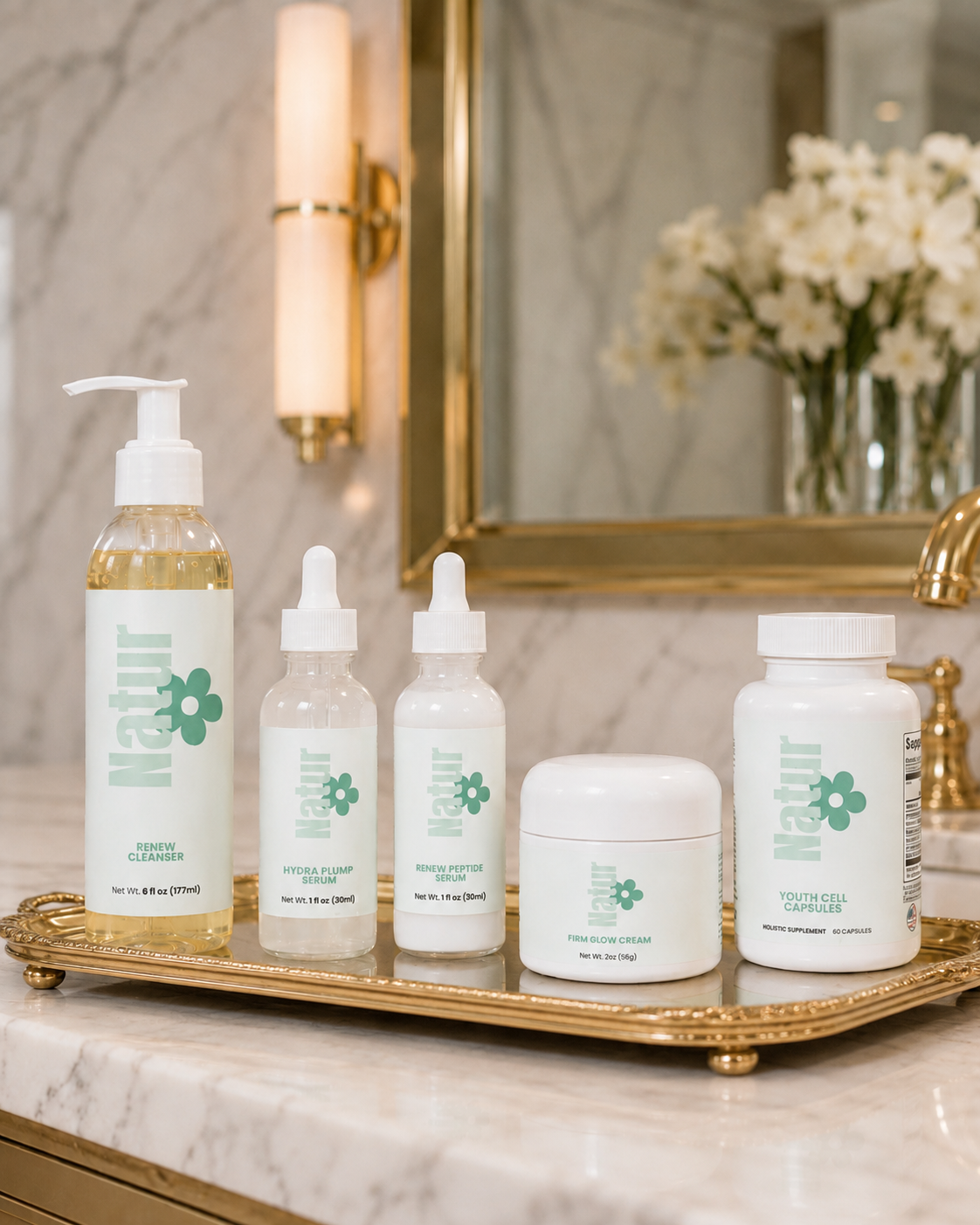
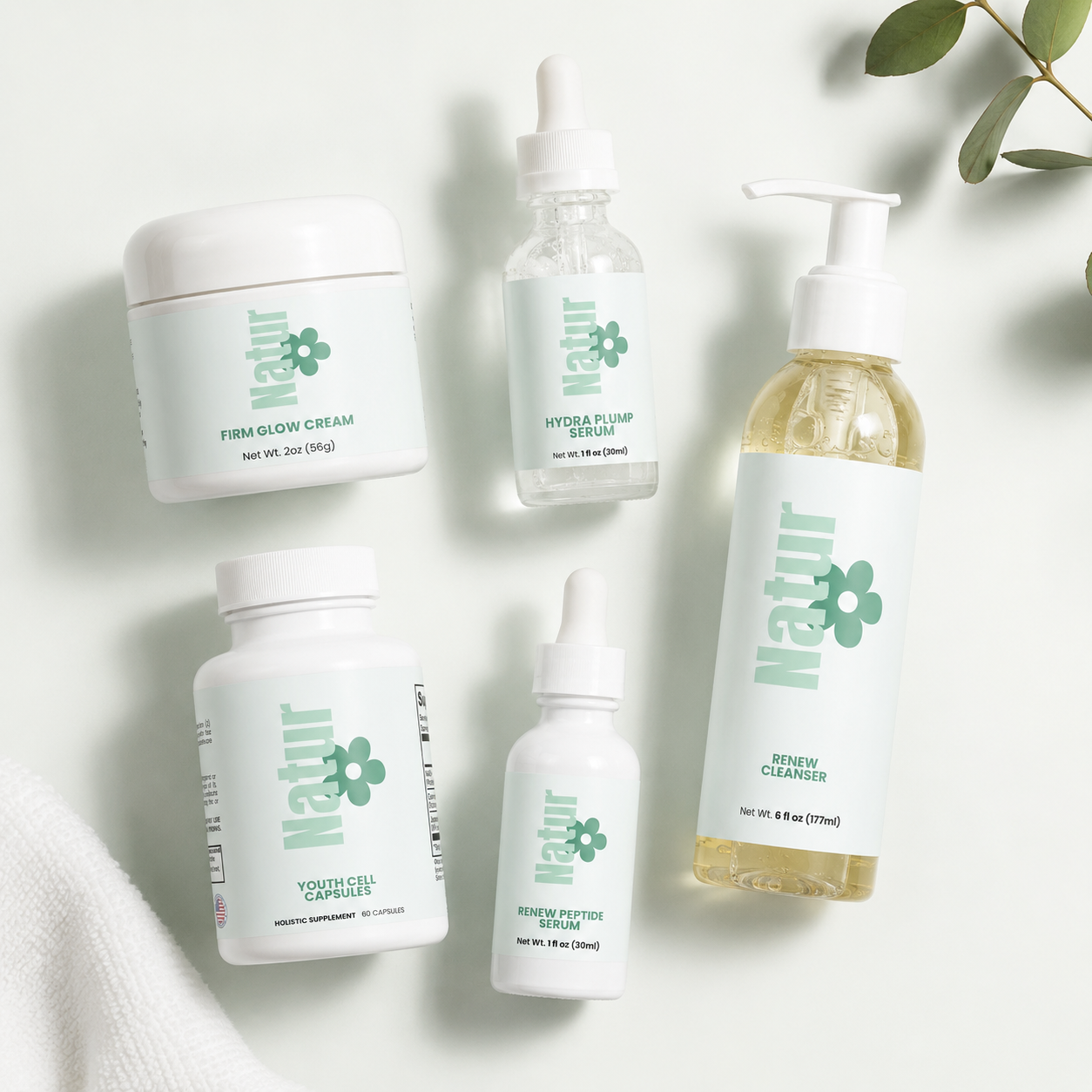
If you're already a fan of the Natur Skin Glow set, you'll find that these oils fit right in. Our Skin Glow set is designed to work together, supporting your skin's natural radiance from the inside out and outside in. A good quality rosehip or jojoba oil can be a wonderful complementary step, especially if your skin is craving specific benefits like balancing or brightening the look of your complexion. For example, after using the Natur Radiance Repair Serum to deliver targeted ingredients, a few drops of rosehip oil can help lock everything in and provide an extra layer of visible skin tone support, especially in the evening. In the morning, a touch of jojoba oil can give you a smooth canvas and help maintain skin's moisture throughout the day before applying your favorite clean mineral sunscreen.
Remember, consistency is key when using any skincare product. Give your skin a few weeks to adjust and show you the benefits of these wonderful natural oils. Pay attention to how your skin feels and looks, and adjust your routine as needed. Our skin is always changing, so what works perfectly one season might need a little tweak the next.
Final Thoughts on Your Skin's Best Friend
Choosing between rosehip oil and jojoba oil doesn't have to be a high-stakes decision. Both are fantastic, clean beauty options that can bring lovely benefits to your skin. Rosehip offers that extra oomph for supporting skin renewal and a brighter appearance, while jojoba is the quiet, reliable friend that helps balance and hydrate without fuss. Listening to your skin is the best advice you'll ever get, and with these two, you've got some wonderful natural tools to help it look and feel its very best. Sometimes, finding what works isn't about choosing one definitive 'best' product, but understanding what different ingredients offer and how they can support your skin through its own journey.
Frequently asked questions
What is the difference between rosehip oil and jojoba oil?
Rosehip oil is known for its natural Vitamin A content, which can help support skin renewal and a more even-looking tone, often appearing brighter. Jojoba oil is a liquid wax ester very similar to skin's natural sebum, making it excellent for balancing skin's oil production and providing gentle, non-greasy hydration.
Can I use rosehip oil and jojoba oil together?
Yes, absolutely! Many people find great benefits from using both. You could use rosehip oil at night for its renewing properties and jojoba oil in the morning for lightweight hydration and balance. Alternatively, you can layer them, applying a few drops of one followed by the other, or mix a drop of each into your moisturizer.
Which oil is better for oily or acne-prone skin, rosehip or jojoba?
Jojoba oil is often recommended for oily or acne-prone skin because its similarity to natural sebum can help signal to your skin that it has enough oil, potentially helping to balance production. Rosehip oil can also be beneficial, especially for supporting the appearance of post-acne marks and promoting a clearer-looking complexion, but jojoba might be a gentler starting point for overall balance.
Which oil is better for dry or mature skin?
Both oils can be beneficial for dry or mature skin. Rosehip oil is often favored for its ability to help improve the look of fine lines and support skin renewal, leading to a more vibrant appearance. Jojoba oil offers deep, yet gentle, hydration and helps to lock in moisture, which is crucial for dry skin. For mature skin, using both can provide comprehensive support.
Does rosehip oil help with dark spots?
Many users find that consistent use of rosehip oil can help support a more even skin tone and reduce the appearance of dark spots and hyperpigmentation, contributing to a brighter-looking complexion. This is often attributed to its natural Vitamin A content and fatty acids.
If you'd like a simple place to start, the Natur Skin Glow set pulls the supplements and skincare for this routine into one daily kit.

This article is for educational purposes only and is not medical advice. Always talk to a qualified healthcare professional before starting supplements or changing your health routine. These statements have not been evaluated by the Food and Drug Administration. Natur products are not intended to diagnose, treat, cure, or prevent any disease.