
Rosehip Oil vs Jojoba Oil for Radiant Skin
Discover which natural oil might be your skin's new best friend.
6 min read
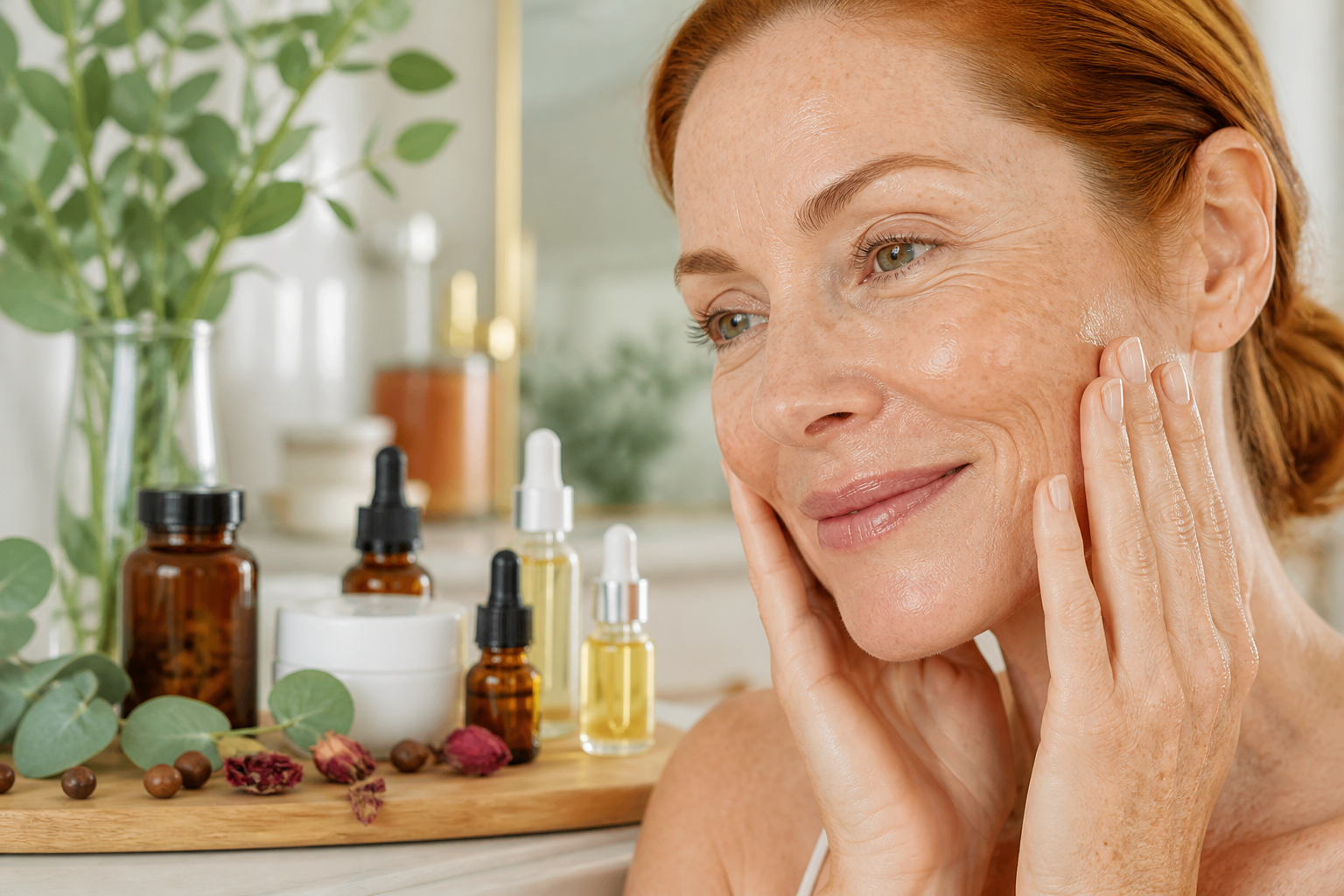
Okay, let's talk oils! If you've dipped even a pinky toe into the world of clean beauty, you've probably heard whispers (or shouts!) about rosehip oil and jojoba oil. They're like the popular kids in school, always getting invited to the best skincare parties. And for good reason! Both are fantastic natural options that can help support healthy, happy skin, contributing to that coveted 'glow.' But here's the thing: while they both promise radiance, they do it in slightly different ways. Think of them as two different kinds of best friends – great on their own, even better when you know what each brings to the table. Ready to figure out which one (or both!) is right for your unique skin?
Rosehip Oil: The Skin Regenerator (Without the Drama)
First up, let's chat about rosehip oil. This lovely oil is pressed from the seeds of wild rose bushes, typically *Rosa canina* or *Rosa rubiginosa*. It's a powerhouse, and people often reach for it because of its reputation for supporting skin's natural regeneration process. It's packed with essential fatty acids, like linoleic and linolenic acid, and a good amount of Vitamin A, specifically in the form of trans-retinoic acid (a natural form of retinol, but much gentler).
Because of these special components, rosehip oil is often loved by those looking to improve the look of fine lines and uneven skin tone. It may help skin feel smoother and appear more vibrant. Many people find it particularly useful for supporting the appearance of healthy, supple skin. It's an oil that truly nurtures the skin, making it a favorite for those aiming for a refreshed look. It's commonly used for its ability to help maintain a youthful glow without being harsh.
Jojoba Oil: The Skin Balancer (Because Your Skin Gets It)
Now, let's shift over to jojoba oil. Unlike most plant oils, jojoba (pronounced ho-HO-ba) isn't actually a 'true' oil. It's a liquid wax ester, and this is what makes it so unique and beneficial for your skin. Its structure is incredibly similar to the sebum (natural oil) your skin produces. This means your skin recognizes it, understands it, and often absorbs it beautifully without feeling greasy.
Because of its sebum-like nature, jojoba oil is fantastic for helping to balance skin. If your skin is on the oilier side, it can sometimes trick your skin into thinking it's produced enough oil, potentially helping to normalize oil production. For drier skin, it provides a lovely layer of moisture that doesn't feel heavy. It's often recommended for all skin types precisely because of this balancing act. It's non-comedogenic, meaning it's less likely to clog pores, which is a big win for many.
So, Which One for Your Glow? Let's Break It Down.
Are you after that smooth, even-toned, 'I woke up like this' look? Rosehip oil is probably going to be your star player. It's designed to support the appearance of skin that feels revitalized and less prone to showing signs of environmental stressors. If you're focusing on supporting skin's elasticity and overall youthful appearance, rosehip is a fantastic choice.
On the other hand, if your main goal is hydration, balancing oil production, and giving your skin a comfortable, 'just right' feeling, then jojoba oil might be your go-to. It's fantastic for supporting the skin's barrier and keeping things feeling soft and supple. Think of it as your skin's friendly regulator, keeping everything feeling harmonious. Many people also love it as a gentle makeup remover!
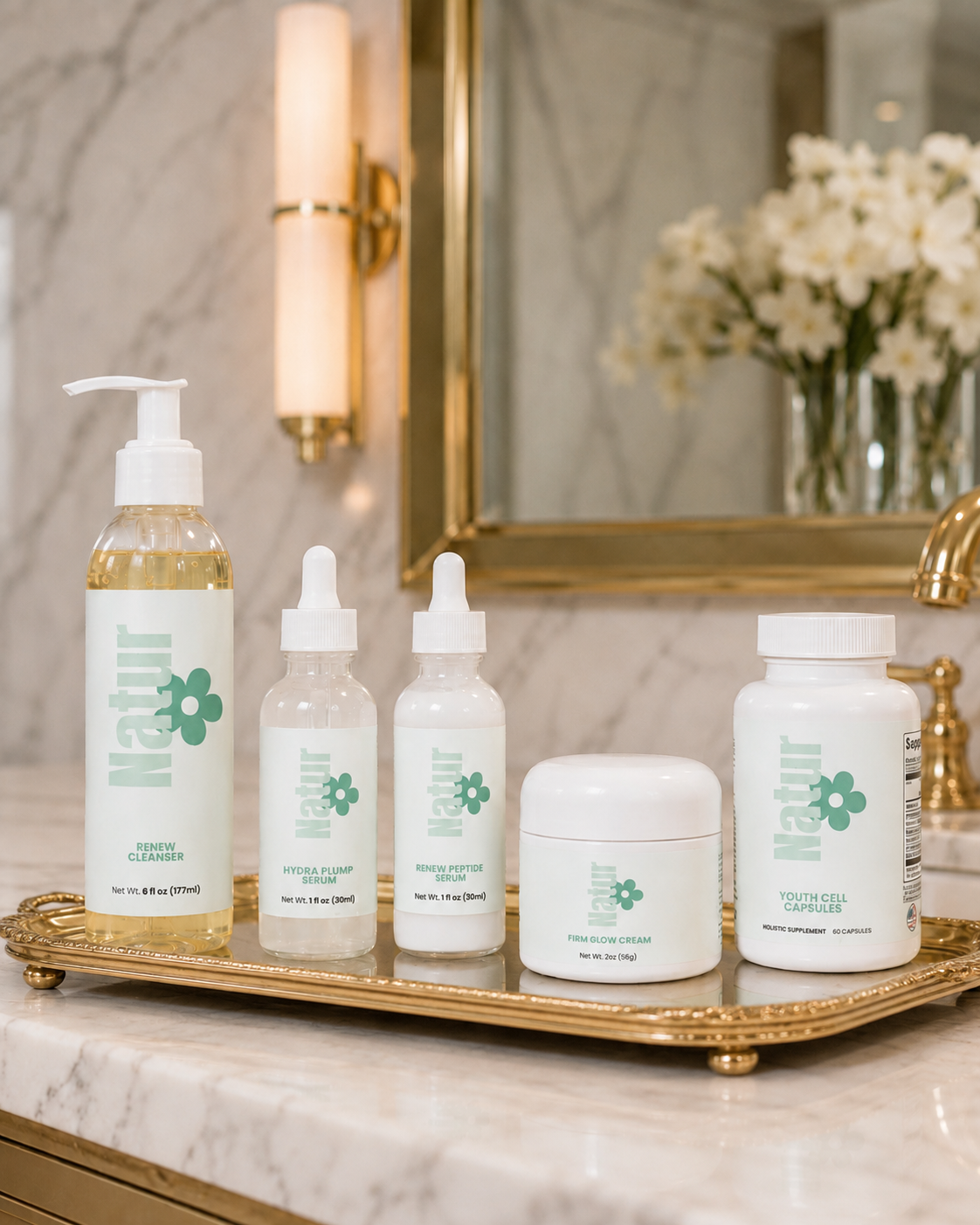
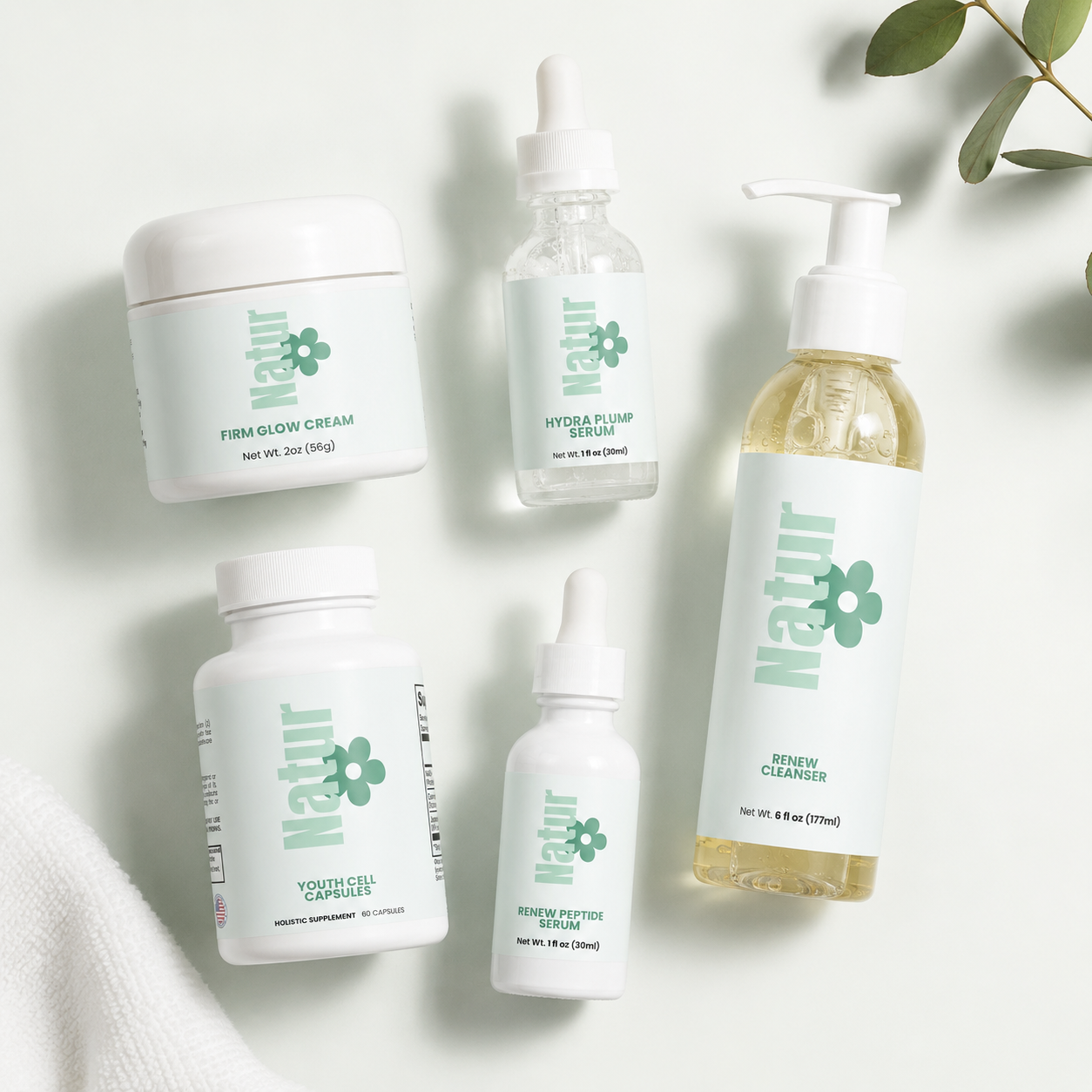
The great news? You don't have to pick just one! These two can absolutely be friends in your routine. For example, you could use a few drops of rosehip oil in the evening for its restorative qualities, and a lighter application of jojoba oil in the morning for balanced hydration before your mineral sunscreen. Or, try mixing a drop of each for a customized cocktail. Many Glow Natur formulations, including our popular Natur Skin Glow set, consider how these natural ingredients work together to support your skin’s overall radiance, often blending them with other beneficial clean ingredients to enhance their effects.
Layering for Maximum Radiance (The Simple Way)
Incorporating these oils into your routine doesn't have to be complicated. After cleansing and perhaps a serum (like a hyaluronic acid serum for an extra hydration boost), oils are usually the next step before a face cream. This helps 'lock in' all the good stuff.
For a simple routine, start with the thinner texture and move to the thicker. Many people prefer to apply a serum first, then a few drops of their chosen oil (or a blend), and finally, a rich, nourishing face cream. This layering strategy helps ensure each product can do its job effectively, supporting your skin for an all-day glow. Remember, a little oil goes a long way – usually 2-3 drops is plenty for your face and neck!
The Glow Natur Approach
At Glow Natur, we believe in the power of clean, thoughtfully sourced ingredients. Our approach to skincare and well-being always centers on supporting your natural radiance, from the inside out. We formulate our oils, serums, and face creams with these kinds of gentle, effective botanical ingredients that honor your skin’s natural processes. Whether it's the supportive qualities of rosehip or the balancing act of jojoba, we aim to provide products that fit seamlessly into a beauty routine designed for real life, contributing to that healthy, vibrant look everyone loves.
Frequently asked questions
What is the difference between rosehip oil and jojoba oil?
Rosehip oil is known for its high content of essential fatty acids and natural Vitamin A, which may help improve the look of fine lines and skin tone. Jojoba oil is a liquid wax ester, very similar to skin's natural sebum, making it excellent for balancing oil production and providing hydration.
Can you use rosehip oil and jojoba oil together?
Absolutely! Many people find great benefits from using both. You can layer them, applying one after the other, or even mix a drop or two of each in your palm before applying to your face. They offer complementary benefits for the skin.
Is rosehip oil good for all skin types?
Rosehip oil is generally well-tolerated. It's particularly popular for skin that may be showing signs of aging, sun exposure, or uneven tone due to its regenerative properties. Those with very sensitive skin should always patch test first, but it's widely considered gentle.
What are the benefits of jojoba oil for skin?
Jojoba oil is very moisturizing and can help support the skin's natural barrier. Because its structure is so similar to skin's sebum, it can help regulate oil production, making it suitable for both oily and dry skin types. It's also non-comedogenic, so it's less likely to clog pores.
If you'd like a simple place to start, the Natur Skin Glow set pulls the supplements and skincare for this routine into one daily kit.

This article is for educational purposes only and is not medical advice. Always talk to a qualified healthcare professional before starting supplements or changing your health routine. These statements have not been evaluated by the Food and Drug Administration. Natur products are not intended to diagnose, treat, cure, or prevent any disease.