
Rosehip Oil & Jojoba Oil for Radiant Skin
Unveiling the power of two clean beauty essentials for a natural glow.
6 min read

When it comes to nurturing your skin, sometimes the simplest ingredients are the most powerful. In the world of clean beauty, few things generate as much buzz (and deliver as many benefits) as botanical oils. Today, we're diving into two of our absolute favorites that many people turn to for that elusive, healthy glow: rosehip oil and jojoba oil. You might have heard whispers about them, seen them in ingredient lists, or even spotted them on your friend's vanity. But what makes these oils so special, and how can they truly support your skin’s radiance? Let’s break it down and unwrap the magic of these plant-derived superstars.
Rosehip Oil: The Skin's Gentle Helper
First up, let's talk about rosehip oil. This gorgeous oil is pressed from the seeds of wild rose bushes, mostly found in Chile. It's not the same as rose essential oil, which comes from rose petals and has a much stronger scent. Rosehip oil is often a lovely golden-orange color, and it’s famed for what it *doesn't* do – it usually doesn't feel heavy or greasy, making it a favorite for many different skin types.
What makes rosehip oil truly shine for your skin? It’s often touted for its fatty acid content, including linoleic and linolenic acids. These fatty acids are essential for maintaining the skin's natural barrier. A healthy skin barrier is crucial for helping to keep moisture in and environmental stressors out. Many people find that adding rosehip oil to their routine helps their skin feel softer and appear more even-toned over time. It can also help improve the look of skin texture, giving you a smoother appearance, which contributes to that sought-after glow.
Jojoba Oil: The Sebum Mimic
Now, let's turn our attention to jojoba oil. This one is a bit of a clever imposter in the best way possible! Jojoba (pronounced ho-ho-buh) oil is actually a liquid wax, not a true oil, and it comes from the seeds of the jojoba plant, which grows in arid regions. What makes it so unique is its molecular structure, which is incredibly similar to the sebum your skin naturally produces. This similarity is key.
Because it's so close to your skin's own natural oils, jojoba oil is often very well-received. Instead of sitting on the surface, it tends to absorb beautifully, making it an excellent choice for a wide range of skin types, including those that might feel a bit oily or prone to congestion. It's often used to help skin feel balanced and soft without feeling heavy. Think of it as a friendly partner that works *with* your skin's natural processes, helping it to feel comfortable and nurtured.
Why These Two are a Power Duo (Especially with Natur)
So, you have rosehip oil, which is designed to support skin texture and an even tone, and jojoba oil, which helps skin feel balanced and deeply moisturized. When you put them together, you get a beautiful synergy. Rosehip can help improve the visual clarity of your skin, while jojoba ensures that balance and hydration are well in hand. This combination is particularly wonderful if you're looking for a clean, simple, yet effective approach to achieving a healthy glow.
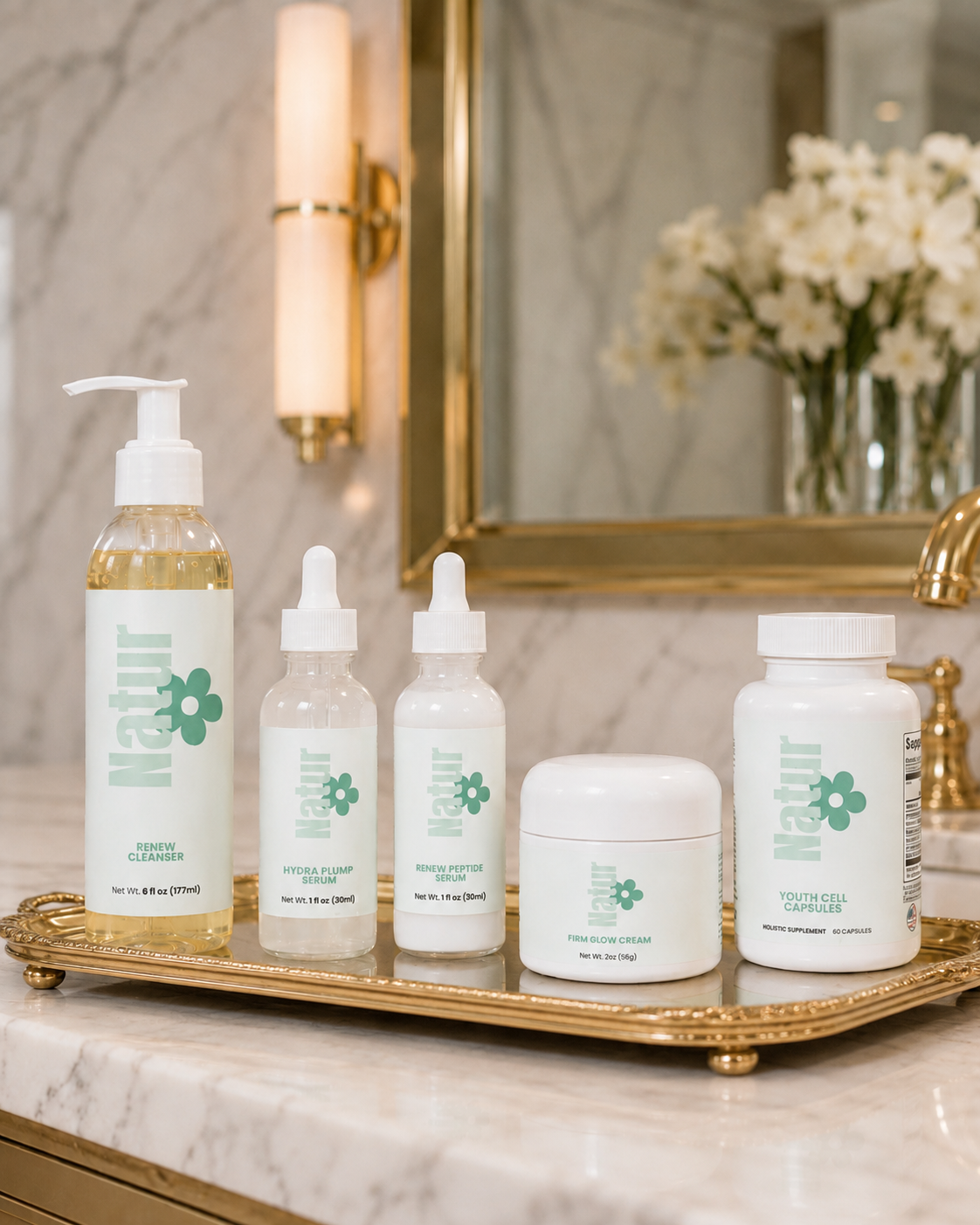
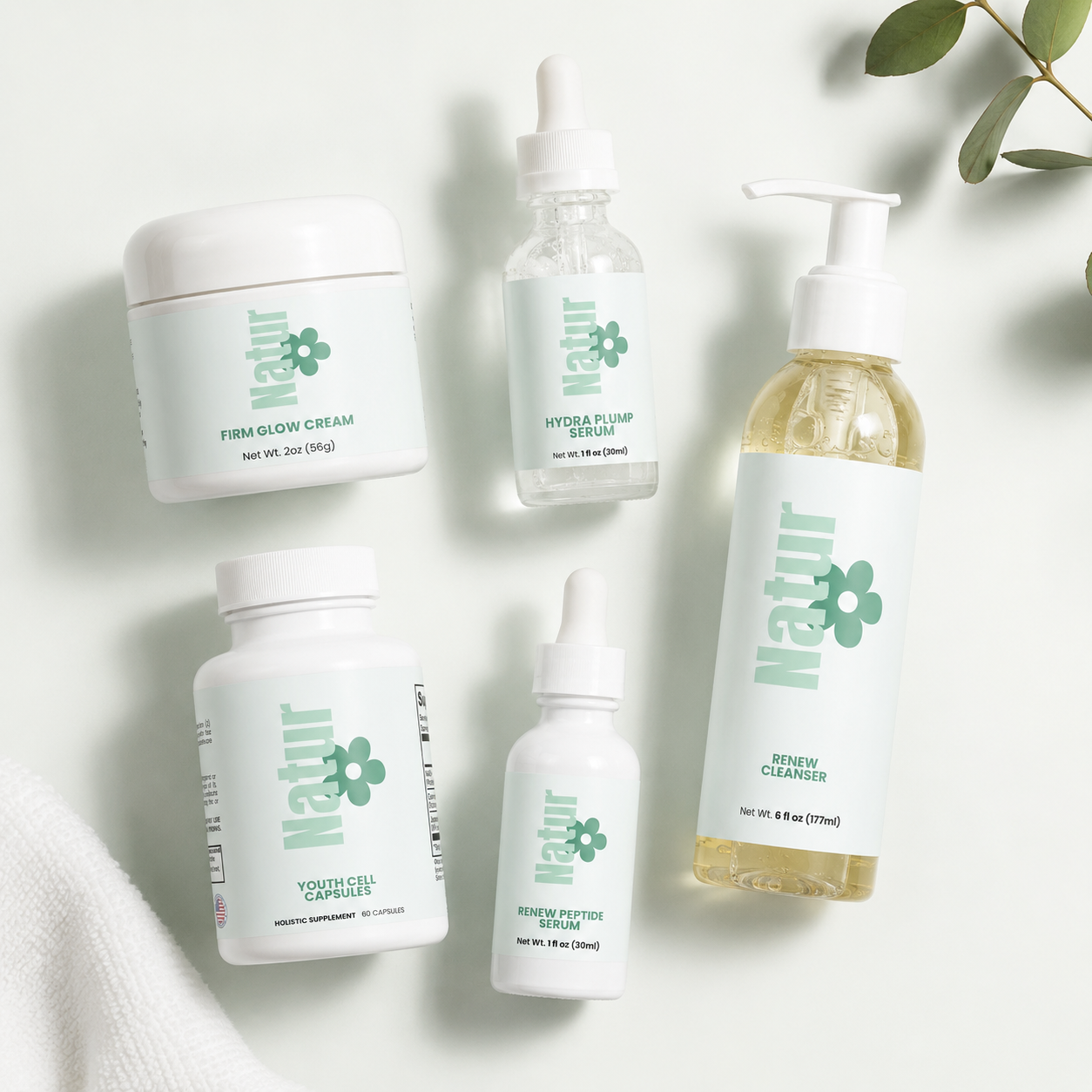
At Natur, we believe in harnessing the best of nature for powerful, gentle skincare. Our Natur Skin Glow set, for example, is crafted with these principles in mind, combining potent botanicals where specific oils are chosen for their individual strengths and how they work together for overall skin vitality. The idea is to give your skin exactly what it needs to thrive, without any unnecessary fuss or questionable ingredients. It’s about supporting your skin’s natural radiance from day to day.
How to Incorporate Them into Your Routine
Adding rosehip and jojoba oils to your daily clean beauty routine is surprisingly simple. You don't need a complicated 10-step process. Here’s a basic guide:
**As a standalone oil:** After cleansing and applying any water-based serums, put a few drops (2-4 usually does the trick) of either rosehip oil or jojoba oil into your palm. Gently warm it between your hands, then press and massage it onto your face, neck, and décolletage. You can use it morning and/or night.
**Layering it:** If you use a face cream, apply your oil *after* the cream. Oils are occlusive, meaning they form a thin layer on top of your skin, helping to seal in moisture and the benefits of any products you applied beforehand. So, cleanser > serum > cream > oil.
**Mixing it in:** For an extra boost, you can add 1-2 drops of your chosen oil to your regular face cream before applying. This can make your cream feel even more luxurious and deliver those nourishing oil benefits directly.
Making the Most of Your Glow
Beyond just these oils, remember that nurturing your skin is a lifestyle. Staying hydrated by drinking enough water, eating a diet rich in fruits and vegetables, and using sun protection like a mineral sunscreen daily are all foundational for glowing skin. These oils are wonderful allies, but they work best when supported by overall healthy habits. Think of your skincare as an extension of how you care for your whole self. A little consistency with good habits, combined with quality ingredients like rosehip and jojoba oils, can truly make your skin sing.
Frequently asked questions
What's the difference between rosehip oil and jojoba oil?
Rosehip oil is known for its fatty acid content, which may help improve the look of skin tone and texture. Jojoba oil is a liquid wax that closely resembles skin's natural sebum, helping to balance and moisturize without feeling heavy. They have different compositions and benefits, but both are wonderful for skin.
Can you use rosehip oil and jojoba oil together?
Absolutely! Many people find that using them together creates a balanced and nourishing effect. You can layer them, with jojoba often applied first if you want its balancing properties directly on the skin, followed by rosehip, or mix a drop of each into your moisturizer for a combined benefit.
How does rosehip oil help skin?
Rosehip oil contains essential fatty acids like linoleic and linolenic acids, which are designed to support the skin's barrier function. It may help the skin feel softer and appear more even in tone and texture, contributing to a radiant look.
Is jojoba oil good for all skin types?
Jojoba oil is commonly considered suitable for most skin types, including those that are oily or prone to congestion. Because its structure is so similar to the skin's natural sebum, it tends to be well-tolerated and helps the skin feel balanced and moisturized without feeling greasy.
What is clean beauty?
Clean beauty generally refers to products made without ingredients that are commonly considered questionable or potentially harmful to health or the environment. It often focuses on natural, plant-derived ingredients and transparency in sourcing.
If you'd like a simple place to start, the Natur Skin Glow set pulls the supplements and skincare for this routine into one daily kit.

This article is for educational purposes only and is not medical advice. Always talk to a qualified healthcare professional before starting supplements or changing your health routine. These statements have not been evaluated by the Food and Drug Administration. Natur products are not intended to diagnose, treat, cure, or prevent any disease.