
Rosehip Oil & Jojoba Oil for Glowing Skin
Your natural glow-up starts here.
5 min read
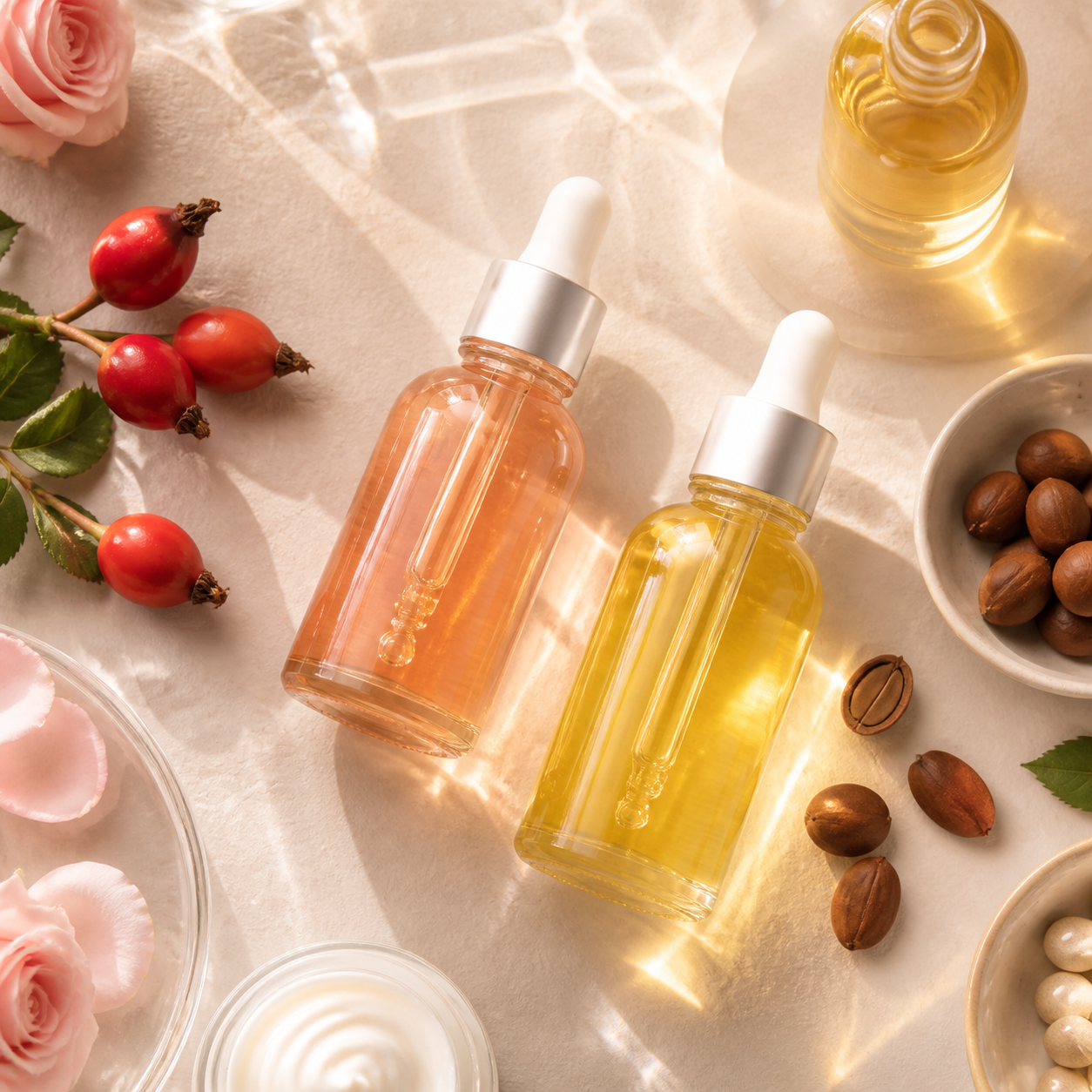
Ever wonder what makes some skin just *glow*? It’s often not some complicated, 14-step routine, but a simple, consistent approach with the right ingredients. Good news: you don't need a whole cabinet full of potions. Today, we're diving into two of our favorite natural allies for truly radiant skin: rosehip oil and jojoba oil. These aren't just trendy ingredients; they've been cherished for ages for good reason. Let's talk about what makes them so special and how they can help your skin shine, naturally.
Meet Rosehip Oil: Nature's Little Radiance Booster
First up, rosehip oil. This beautiful oil comes from the seeds of the wild rose bush, specifically Rosa Canina or Rosa Rubiginosa. It's often a rich amber-orange color, which is a clue to some of its powerful properties. Many people love rosehip oil because it’s packed with essential fatty acids, like linoleic acid and linolenic acid. These are like tiny building blocks that can help support the skin's natural barrier.
What does that mean for your skin? Well, a healthy skin barrier is key to keeping moisture in and environmental stressors out. Rosehip oil is commonly used for its ability to help skin feel softer and look more even-toned. It’s also often chosen for skin that's looking for a little extra glow and vibrancy. It’s a favorite for supporting skin that may be showing signs of photoaging or just needs a little rejuvenation. It’s not a heavy oil, so it tends to absorb beautifully without feeling greasy, which is a major win.
Hello, Jojoba Oil: The Skin Whisperer
Now, let's talk about jojoba oil. Fun fact: it's not actually an oil, but a liquid wax ester. Why does that matter? Because its structure is incredibly similar to the sebum your skin naturally produces. This makes it a fantastic fit for almost all skin types, even oily or combination skin.
Because it mimics our skin's natural oils so well, jojoba oil is thought to help balance skin, signaling to your skin that it doesn't need to produce excess oil. It’s wonderfully moisturizing without feeling heavy and can help skin feel soft and supple. It’s also known for being non-comedogenic, meaning it's less likely to clog pores, which is excellent news for anyone prone to breakouts. Jojoba oil is truly a skin whisperer, working with your skin's natural processes rather than against them.
The Dynamic Duo: Why Use Them Together?
So, you've got rosehip oil, which is great for supporting skin renewal and a brighter look, and jojoba oil, which is a fantastic balancing and moisturizing act. When you bring them together, you've got a powerhouse for skin glow! They complement each other beautifully.
Using both can help create a balanced, nourished canvas. Rosehip oil may help improve the look of skin texture and tone, while jojoba oil ensures your skin feels deeply moisturized and balanced. Together, they form a simple, effective strategy for supporting your skin's natural radiance. They're a lovely pair for anyone looking to simplify their routine with potent, natural ingredients.
How to Incorporate Them into Your Routine (The Natur Way)
Adding these oils to your routine is easy peasy. After cleansing and perhaps a light serum (like one from our Natur Skin Glow set), take a few drops of your chosen oil or a blend of both. Warm them gently between your palms and press lightly onto your face, neck, and décolletage. You can do this morning and night.
If you're using a face cream, apply the oil *before* the cream. This helps the oil absorb first and then the cream can seal everything in. The Natur Skin Glow set, for example, is designed to be layered, starting with a clean base, then a targeted serum, and finishing with a nourishing oil or a light, clean face cream. Listen to your skin – some days it might want more, some days less. And remember, a little goes a long way with these potent plant allies.
For an extra boost, consider looking for clean beauty supplements that support skin health from the inside out, like collagen peptides or antioxidants. When paired with high-quality topical oils like rosehip and jojoba, you're nurturing your skin on all fronts.
A Note on Sourcing and Quality
When it comes to oils, quality really matters. Look for cold-pressed, unrefined versions to ensure you're getting the most beneficial nutrients. Cold-pressing helps preserve the delicate fatty acids and vitamins that make these oils so effective. Always check for transparent sourcing and third-party testing where available. Clean beauty means knowing what you're putting on your skin – and what you're not.
Frequently asked questions
Is rosehip oil good for all skin types?
Rosehip oil is generally well-tolerated by most skin types. It's often chosen for dry, mature, or blemish-prone skin. Because it's not heavy, it usually absorbs well. If you have very sensitive skin, a patch test is always a good idea.
Can I use jojoba oil as a moisturizer?
Absolutely! Jojoba oil is an excellent moisturizer. Its similarity to skin's natural sebum means it can help support the skin barrier and keep moisture locked in, leaving your skin feeling soft and supple without a greasy residue.
What is the best way to apply face oils?
After cleansing and any water-based serums, dispense 2-4 drops of oil into your palm. Gently warm it between your hands, then lightly press and massage it onto your face, neck, and décolletage. Allow a minute or two for it to absorb before applying a face cream or SPF.
Do rosehip and jojoba oil help with dry skin?
Yes, both oils are wonderful for supporting dry skin. Rosehip oil may help skin feel deeply nourished, while jojoba oil helps to balance and lock in moisture due to its unique composition. Using them together can provide comprehensive hydration support.
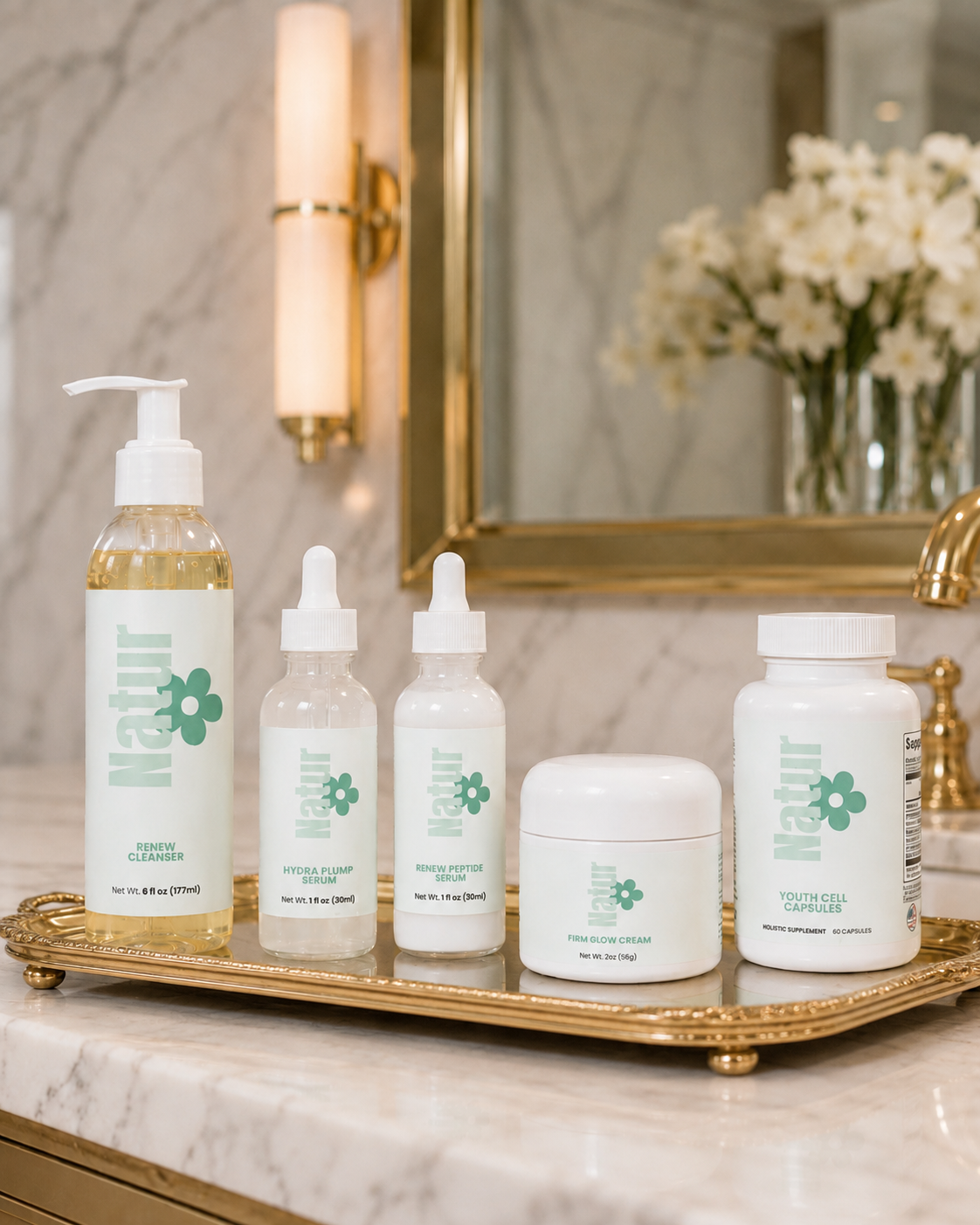
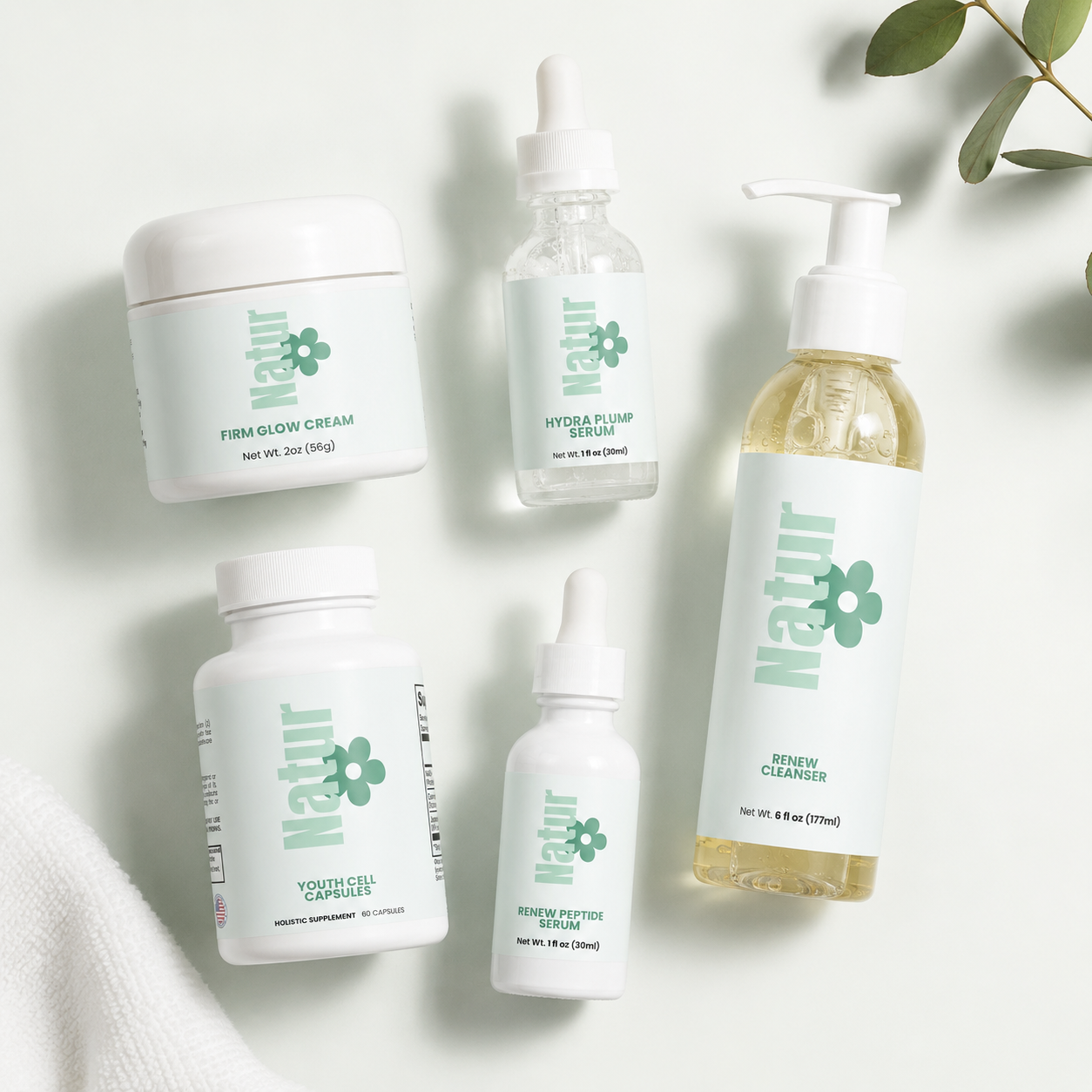
If you'd like a simple place to start, the Natur Skin Glow set pulls the supplements and skincare for this routine into one daily kit.

This article is for educational purposes only and is not medical advice. Always talk to a qualified healthcare professional before starting supplements or changing your health routine. These statements have not been evaluated by the Food and Drug Administration. Natur products are not intended to diagnose, treat, cure, or prevent any disease.