
Rosehip Oil & Jojoba Oil for Glowing Skin
Your guide to these skin-loving plant oils
5 min read

Walk down any clean beauty aisle (physical or virtual!), and you'll probably spot bottles of rosehip oil and jojoba oil. They've earned their glowing reputation for good reason. For centuries, people have turned to plant-based oils for skin support, and these two are definitely at the top of the 'good-for-your-skin' list. If you're curious about how they can fit into your routine, or even why they're so beloved, you're in the right place. We're breaking down what makes them special, how they work, and how you can use them to help your skin feel its best.
Rosehip Oil: The Skin's Little Helper
First up, let's chat about rosehip oil. This lovely oil comes from the seeds of rose bushes, specifically the hips – the fruit left behind after the roses have bloomed. It's often favored for its rich color, which comes from compounds like beta-carotene, and its unique fatty acid profile.
People often reach for rosehip oil to help with the appearance of skin tone and texture. It may help skin feel smoother and look more even. Many users report that regular application can improve the look of fine lines and contribute to an overall brighter complexion. It's like a gentle hug for skin that's seen a bit of life.
Jojoba Oil: The Skin's Mimic
Now, onto jojoba oil. Fun fact: it's not actually an oil in the traditional sense, but a liquid wax ester. Why does that matter? Because its molecular structure is incredibly similar to the natural sebum our skin produces. This 'mimicry' is why jojoba oil is so special.
Because it's so close to our own skin's natural oils, jojoba oil is thought to be wonderfully compatible with many skin types. It's often used to help skin feel balanced, offering moisture without a greasy feel. It's particularly popular for those who want to support their skin's natural barrier and maintain a comfortable, hydrated feel.
Why These Two Are a Dynamic Duo for Glow
So, you might be thinking, can I use both? Absolutely! In clean beauty circles, these two often get paired up because they offer complementary benefits. Rosehip oil can help with skin tone and texture, while jojoba oil steps in to help support moisture and a balanced skin feel.
Together, they can contribute to that sought-after 'glow' by helping your skin look and feel healthy. They provide nourishing support without clogging pores, which is a big win for just about everyone. It’s all about creating a happy, comfortable environment for your skin.
How to Weave Them Into Your Routine
Incorporating these oils into your daily ritual is easier than you might think. For a simple approach, you can apply a few drops of either oil after cleansing and toning, before your moisturizer. If you're using both, many people apply rosehip oil first, letting it soak in, then follow with jojoba oil.
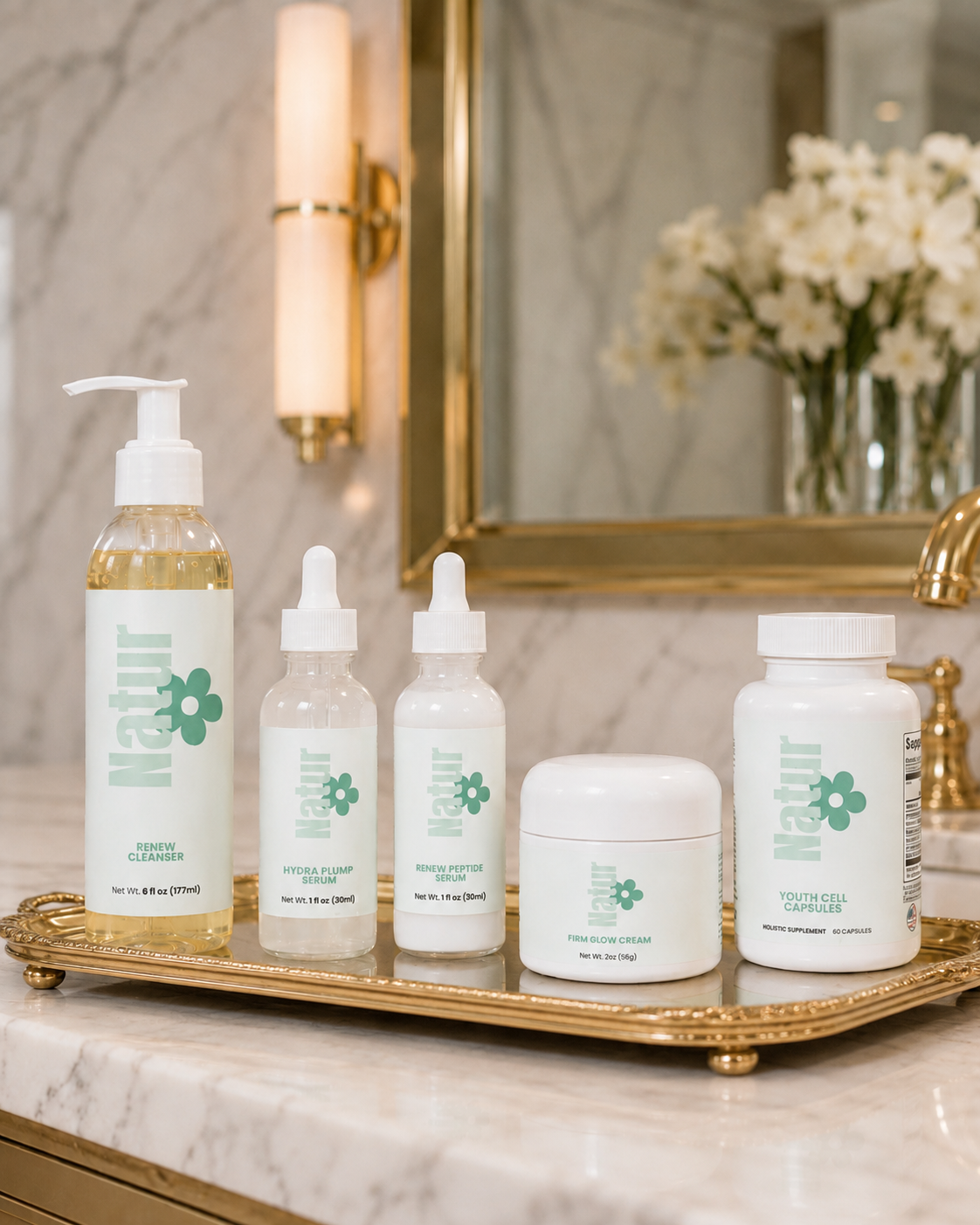
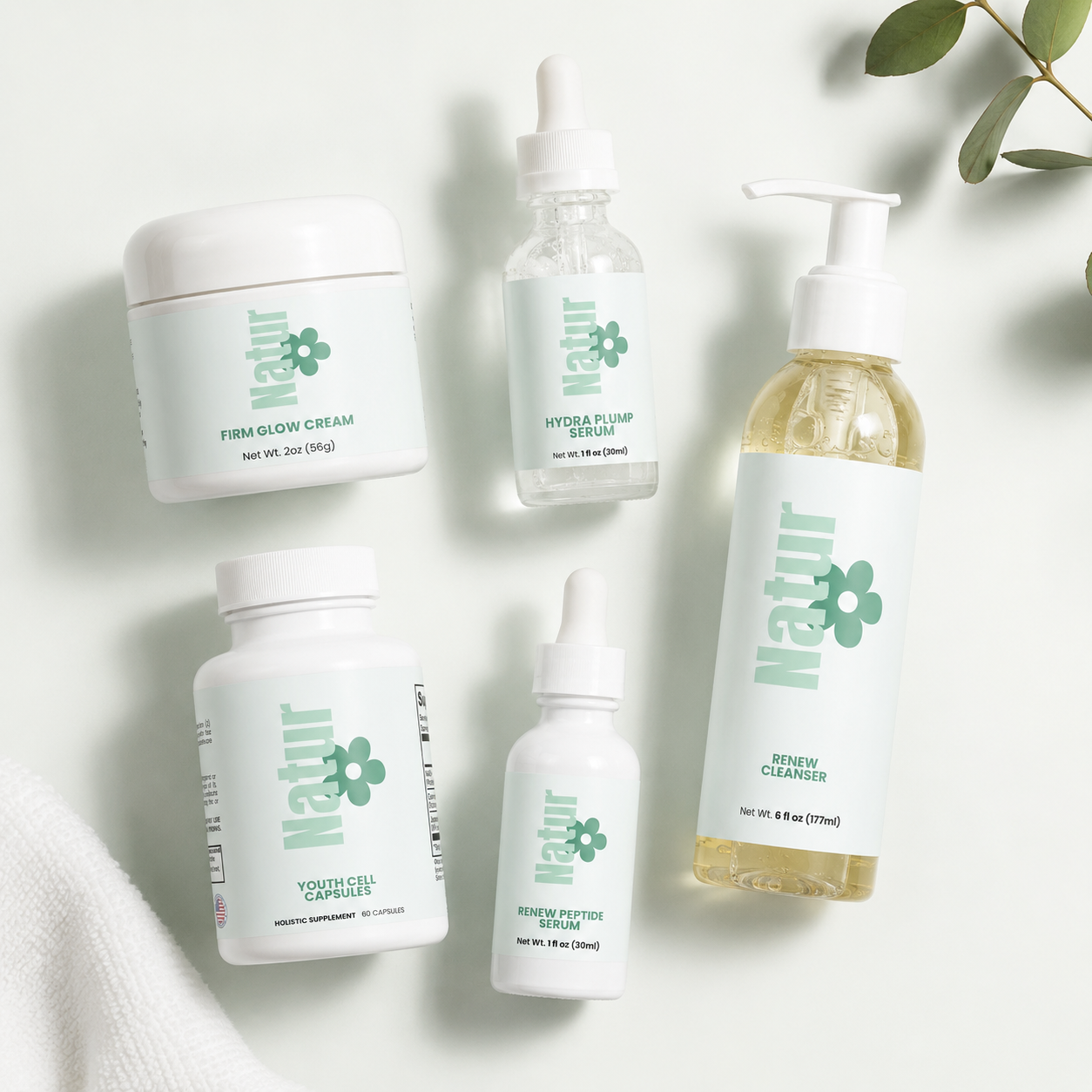
At Glow Natur, we believe in the power of thoughtfully crafted blends. Our Natur Skin Glow set, for example, is designed to support your skin's radiance through a synergistic mix of nourishing ingredients, including beneficial oils. Whether you're using single oils or a curated blend, the key is consistency. A small amount, applied gently, can make a noticeable difference over time. Remember, less is often more with oils – a few drops are usually all you need for your entire face and neck.
Clean Beauty: Simplicity and Effectiveness
One of the best things about incorporating oils like rosehip and jojoba is that they align perfectly with the clean beauty philosophy. They are often minimally processed, plant-derived, and free from a long list of questionable additives.
Choosing clean beauty doesn't mean you need a 14-step routine. Sometimes, focusing on a few high-quality, effective ingredients can be far more beneficial. These oils offer a straightforward way to support your skin's natural vitality, helping it to look and feel its best without unnecessary fuss.
Finding Your Glow
Ultimately, the journey to glowing skin is personal. What works for one person might need a slight tweak for another. But by understanding the gentle yet effective support that natural ingredients like rosehip and jojoba oils can offer, you're well on your way to cultivating a skincare routine that genuinely serves your skin. Listen to what your skin tells you, be consistent, and enjoy the process of nurturing your natural radiance. The best glow comes from skin that feels truly cared for.
Frequently asked questions
What is rosehip oil good for?
Rosehip oil is commonly used to help improve the appearance of skin tone and texture, and may help skin feel smoother and look more even. Many find it contributes to a brighter complexion.
Can I use jojoba oil on my face every day?
Yes, jojoba oil is often well-tolerated and can be used daily on the face. Because its structure is similar to skin's natural sebum, it's often used to help support balanced moisture without a greasy feel.
How do I use rosehip oil in my skincare routine?
You can apply a few drops of rosehip oil after cleansing and toning, before your moisturizer. Gently press it into your skin until absorbed. It can be used morning or night, or both.
Is jojoba oil good for all skin types?
Jojoba oil is generally considered suitable for most skin types, including oily and sensitive skin, due to its similarity to natural skin sebum. It's commonly used to help moisturize without feeling heavy or clogging pores.
What is the difference between rosehip and jojoba oil?
Rosehip oil is derived from rose plant seeds and is known for helping with skin tone and texture. Jojoba oil is a liquid wax ester, very similar to skin's natural oils, and is often used to help support moisture and balance the feel of the skin. They offer complementary benefits and can be used together.
If you'd like a simple place to start, the Natur Skin Glow set pulls the supplements and skincare for this routine into one daily kit.

This article is for educational purposes only and is not medical advice. Always talk to a qualified healthcare professional before starting supplements or changing your health routine. These statements have not been evaluated by the Food and Drug Administration. Natur products are not intended to diagnose, treat, cure, or prevent any disease.