
Rosehip Oil & Jojoba Oil for Glowing Skin
Your guide to these nourishing plant extracts.
5 min read
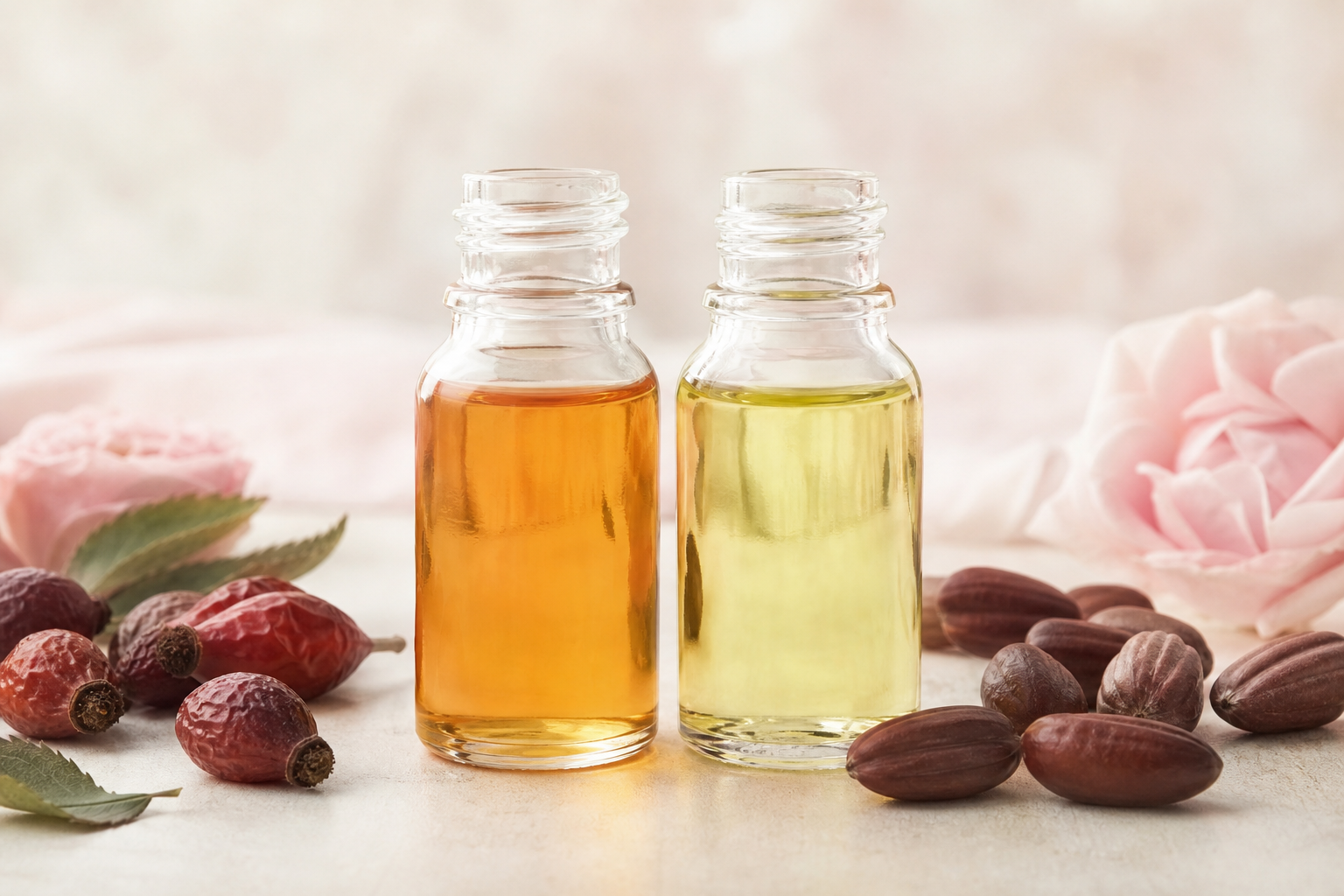
Sometimes, the simplest things are the best. In the world of skincare, where new ingredients pop up constantly, it’s nice to remember the classics that truly deliver. Today, we're chatting about two botanical powerhouses: rosehip oil and jojoba oil. Used for ages, these natural wonders can be a lovely addition to your clean beauty routine, helping your skin feel nourished and appear radiant.
Rosehip Oil: The Skin's Gentle Helper
First up, let’s talk about rosehip oil. This lovely oil is extracted from the seeds of wild rose bushes, typically Rosa canina. It’s often praised for its unique composition, rich in essential fatty acids like linoleic and linolenic acid, and a naturally occurring form of Vitamin A.
What does all that mean for your skin? Well, these components may help support the skin's natural regeneration processes. Many people find that regular use of rosehip oil can help improve the look of skin texture and tone. If your skin feels a bit dull or looks a little uneven, a few drops of this golden oil might just be what you're looking for to support a brighter appearance.
Jojoba Oil: Your Skin's Best Friend
Next, we have jojoba oil, which isn’t actually an oil but a liquid wax ester, meaning it’s incredibly similar to the natural sebum your skin produces. This likeness is why it’s so well-loved in skincare – your skin recognizes it and often responds beautifully to it.
Because of its structure, jojoba oil is often well-tolerated by various skin types, including those that are prone to feeling oily or sensitive. It's often used to help the skin feel balanced and conditioned without feeling heavy. It’s also quite stable, meaning it doesn't go rancid quickly, making it a reliable ingredient in your beauty cabinet.
The Power Duo: Rosehip and Jojoba Together
So, what happens when you bring these two together? You get a lovely, nourishing blend that can work wonders for promoting a healthy, radiant complexion. Rosehip oil can help with the look of skin elasticity and tone, while jojoba oil helps to condition and moisturize. They complement each other like a perfect pair of earrings.
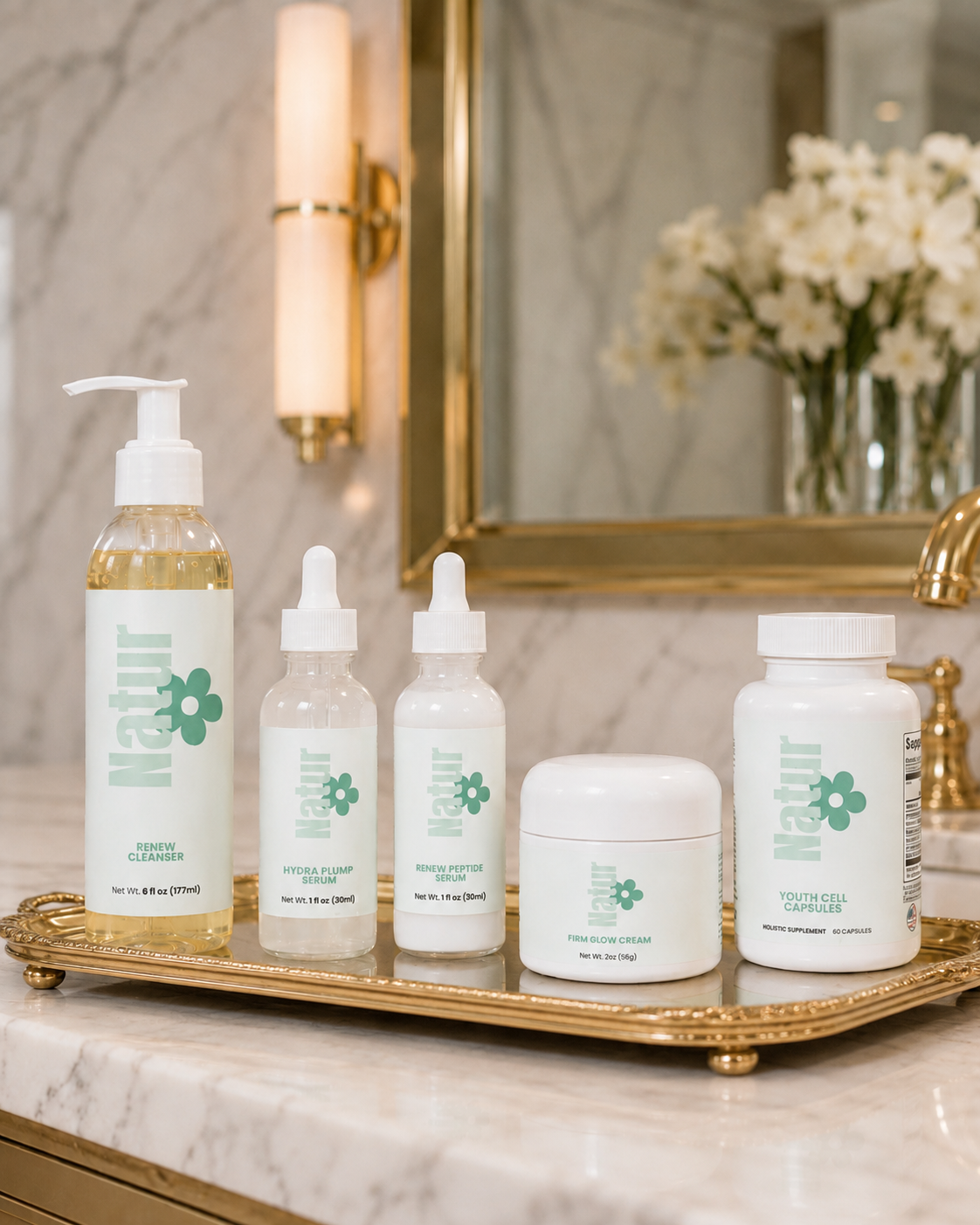
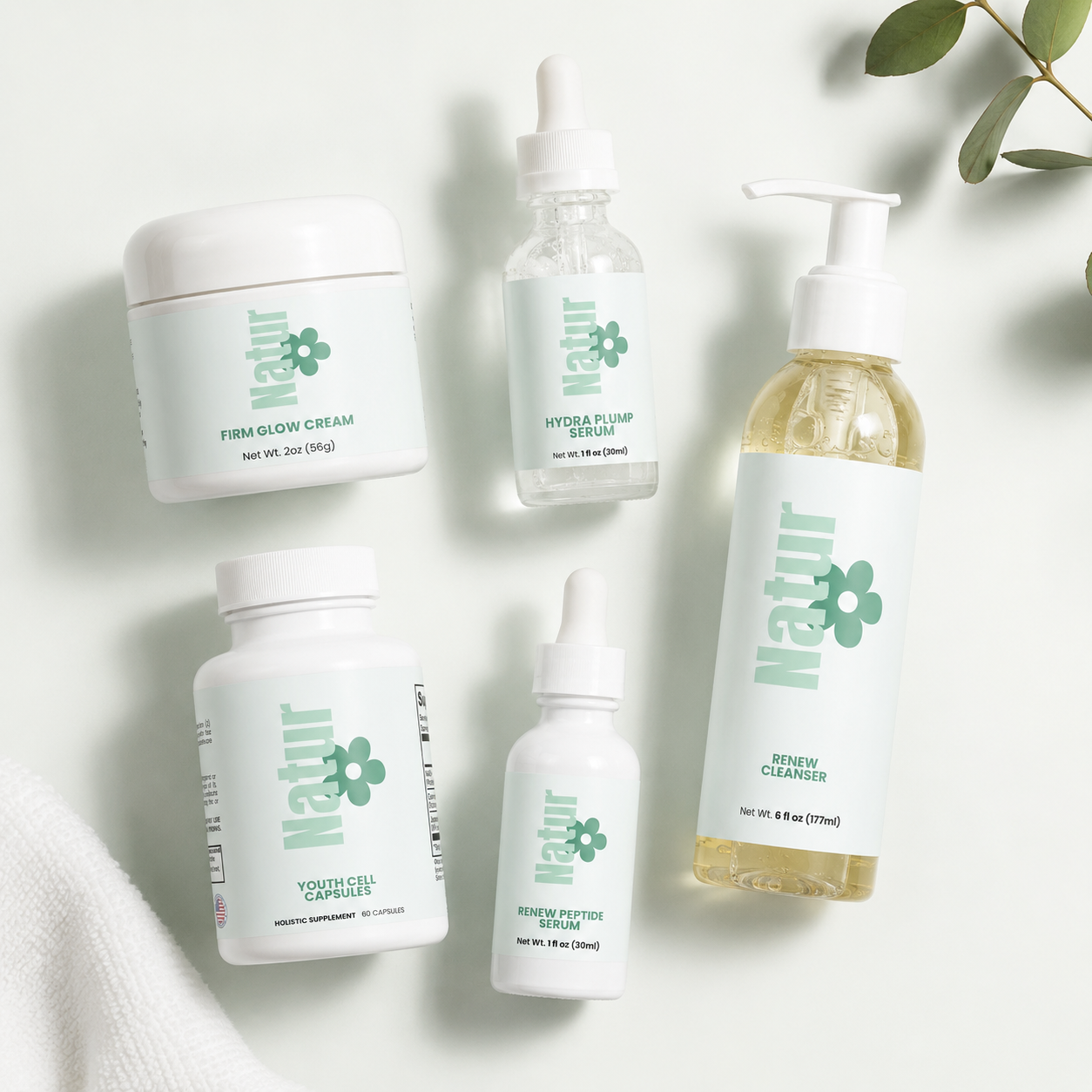
For a wonderful blend that uses these very ingredients, you might find something like the Glow Natur Skin Glow set helpful. It often incorporates these kinds of thoughtful ingredient combinations to help skin look its best. Many of us at Natur love how easily these oils absorb, leaving skin feeling soft and looking luminous, without feeling greasy.
How to Incorporate Them into Your Routine
Adding rosehip and jojoba oils to your routine is simpler than you might think. After cleansing and toning, and before your face cream (if you use one), apply a few drops to your face. Gently press or pat the oil into your skin. You can use them both morning and night, depending on your skin’s needs.
If you're using a serum, apply your serum first, then your oil, and then your moisturizer. This 'thinnest to thickest' rule usually works best for layering. A few drops are usually all you need – these oils are potent!
You can also mix a drop or two of jojoba oil into your face cream for an extra boost of moisture, especially during drier months. Or, use a bit of rosehip oil around areas that show signs of environmental stress to help improve their appearance.
Purity Matters for Your Skin
When choosing face oils, look for pure, cold-pressed, and organic varieties. These often retain the most beneficial compounds. Avoid oils with added fragrances or unnecessary fillers, especially if you have sensitive skin. Clean beauty is all about giving your skin what it needs without extra fuss. Think minimalist, thoughtful ingredients that truly serve a purpose.
Many people prefer using single-ingredient oils like rosehip or jojoba to really understand how their skin responds before moving to more complex blends. It’s like test-driving a car – you want to know how it handles!
Embracing the Natural Glow
Ultimately, achieving that 'glow' isn’t about just one product or one magical bullet. It’s a combination of feeling well, thoughtful self-care, and using ingredients that support your skin’s natural functions. Rosehip and jojoba oils are beautiful examples of how nature provides powerful tools to help our skin look and feel its best.
They offer gentle nourishment, helping your skin appear more vibrant and soft over time. It's about consistency and choosing ingredients that respect your skin's innate balance.
Frequently asked questions
Why is rosehip oil good for skin?
Rosehip oil is rich in essential fatty acids and naturally occurring Vitamin A, which may help support skin regeneration and improve the look of skin tone and texture.
Is jojoba oil good for acne?
Jojoba oil is a liquid wax ester very similar to the skin's natural sebum, which is why it can be well-tolerated by various skin types, including those prone to feeling oily. It's often used to help balance and condition the skin without feeling heavy.
Can I use rosehip oil and jojoba oil together?
Yes, absolutely! They complement each other beautifully. Rosehip oil assists with the look of skin elasticity and tone, while jojoba oil helps condition and moisturize. You can apply them layered or mixed together.
What is the best way to use face oils?
After cleansing and toning, and ideally after a serum, apply 2-3 drops of face oil to your skin. Gently press or pat it in. If you use a face cream, apply the oil before the cream.
If you'd like a simple place to start, the Natur Skin Glow set pulls the supplements and skincare for this routine into one daily kit.

This article is for educational purposes only and is not medical advice. Always talk to a qualified healthcare professional before starting supplements or changing your health routine. These statements have not been evaluated by the Food and Drug Administration. Natur products are not intended to diagnose, treat, cure, or prevent any disease.