
Rosehip Oil & Jojoba Oil for Glowing Skin
Your Clean Beauty Guide to These Two Natural Wonders
6 min read
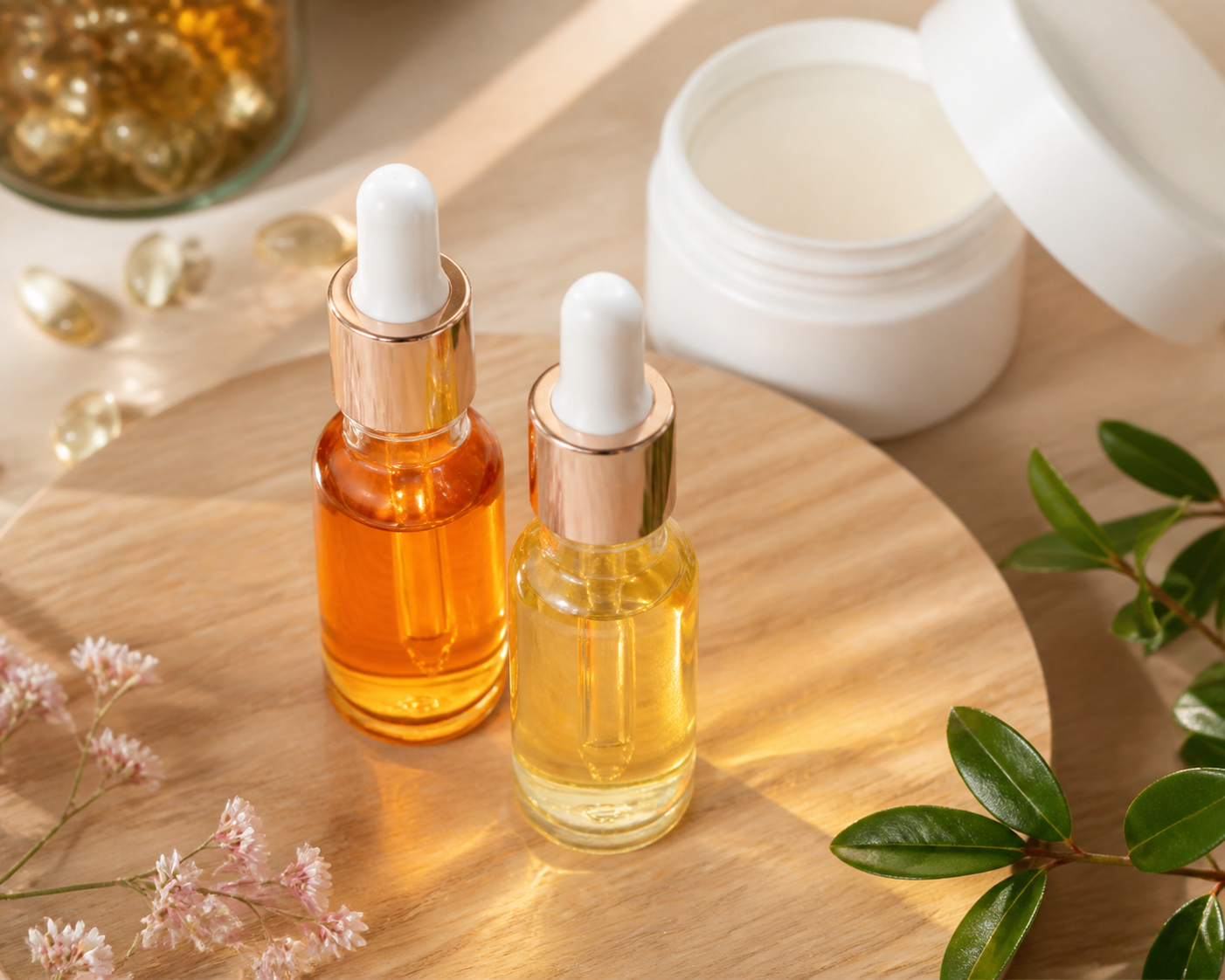
When it comes to clean beauty, sometimes the simplest ingredients are the most powerful. You've probably heard the buzz around plant-based oils, especially for that coveted 'glow.' Today, we're zeroing in on two true stars: rosehip oil and jojoba oil. These aren't just trendy ingredients; they've been beloved in skincare for ages, and for good reason. They’re both fantastic for helping skin look and feel its best, but they each bring something a little different to the table. Let's unbottle the secrets of these natural wonders and see how they can fit into your routine for truly radiant skin.
Rosehip Oil: The Regenerative Gem
First up, let's talk about rosehip oil. This beautiful, often reddish-orange oil comes from the seeds of wild rose bushes, typically Rosa canina. It’s a powerhouse of beneficial compounds, often called a 'dry oil' because it absorbs into the skin quite readily without leaving a greasy feeling. Many people reach for rosehip oil when they're looking to support skin that feels smoother and more even-toned.
What makes it so special? Rosehip oil is naturally rich in essential fatty acids like linoleic and linolenic acids, which are fantastic for skin comfort. It also contains natural forms of Vitamin A, which may help improve the look of skin texture and vibrancy. Because of these components, rosehip oil is a popular choice for those looking to diminish the appearance of fine lines and contribute to an overall more youthful glow. It's truly a multi-tasker that aims to help your skin feel revitalized and look its best.
Jojoba Oil: The Skin's Best Friend (and Mimic!)
Now, onto jojoba oil. Unlike most other plant oils, jojoba oil is technically a liquid wax, and that's actually a huge part of its magic. It's derived from the seeds of the Simmondsia chinensis plant and has a molecular structure that's remarkably similar to our skin's natural sebum. This unique characteristic is why jojoba oil is so well-loved; it can help 'trick' your skin into feeling more balanced.
Because it mimics natural sebum so well, jojoba oil is often recommended for virtually all skin types, from dry to oily. It’s incredibly nourishing without feeling heavy, and it can help skin feel soft and supple. If your skin tends to be a bit on the oily side, using jojoba oil might actually help regulate the feeling of oiliness over time, as it signals to your skin that it doesn't need to produce as much of its own. For dry skin, it offers a lovely, comforting layer of moisture.
Rosehip vs. Jojoba: What's the Key Difference?
So, how do you choose between them, or should you use both? The main difference boils down to their primary functions. Rosehip oil is often celebrated for its regenerative qualities, aiming to improve the look of skin tone and texture, making it a favorite for those focusing on visible signs of aging or uneven skin appearance. Think of it as your 'skin perfecting' oil.
Jojoba oil, on the other hand, excels at balancing and moisturizing. It’s a superb choice for hydration, for helping skin feel comfortable and calm, and as a fantastic carrier oil for other ingredients. Think of it as your 'skin harmonizing' oil. The good news? You absolutely don't have to choose! They work wonderfully together, each bringing their unique benefits to your skin's glow journey.
How to Incorporate These Oils for Your Best Glow
Integrating rosehip and jojoba oils into your clean beauty routine is surprisingly simple. Consistency is key, of course, but you don't need a complicated regimen. For a beautiful inside-and-out glow routine, consider how these oils can support your skin daily.
A great way to use them is after your cleanser and serum, but before your face cream. Oils provide an occlusive layer that helps seal in the hydration from your previous steps. You can use a few drops of pure rosehip oil, or pure jojoba oil, gently pressed into your face and neck. If you’re looking for a blend that combines the best of both worlds, products like the Natur Skin Glow oil often contain a mix of beneficial oils designed to deliver comprehensive support for radiant, healthy-looking skin. The beauty of a well-formulated oil blend is that it takes the guesswork out of combining ingredients yourself, providing a balanced approach to skin nutrition.
Remember, a little goes a long way. Start with 2-3 drops, warm it between your palms, and gently press it onto your damp skin. This helps with absorption and ensures you're not overloading your face. For an added boost, you can even mix a drop or two into your favorite Natur face cream for an extra layer of nourishment, particularly on those days when your skin feels a bit thirstier.
Beyond the Bottle: Supporting Your Glow
While topical application of these wonderful oils can do wonders for your skin's appearance, remember that true glow often starts from within. Supporting your skin from the inside out is a core philosophy of clean beauty. Consider adding high-quality, third-party-tested supplements to your routine, such as collagen peptides or omega-3s, which can support overall skin health. Paired with a consistent skincare routine featuring oils like rosehip and jojoba, you're setting yourself up for truly radiant results.
Additionally, don't forget the basics: staying hydrated with plenty of water, eating a balanced diet rich in antioxidants, and protecting your skin with mineral sunscreen daily. These foundational habits are the unsung heroes of any glow routine and work in synergy with your clean beauty products to help your skin look its absolute best.
Frequently asked questions
What is the difference between rosehip oil and jojoba oil?
Rosehip oil is known for its regenerative qualities, aiming to improve the look of skin tone and texture with natural Vitamin A and fatty acids. Jojoba oil is a liquid wax that closely mimics skin's natural sebum, making it excellent for balancing and moisturizing all skin types.
Can I use rosehip oil and jojoba oil together?
Yes, absolutely! They complement each other beautifully. Many people use them layered, or find them combined in comprehensive clean beauty oil blends, like the Natur Skin Glow oil, for enhanced benefits.
Is rosehip oil good for all skin types?
Rosehip oil is generally well-tolerated. It's often favored by those with dry, mature, or uneven-toned skin due to its properties that may help improve the look of skin vibrancy. However, it's always wise to do a patch test if you have very sensitive skin.
How do I use jojoba oil in my skincare routine?
Jojoba oil can be used as a standalone moisturizer, mixed with a face cream, or applied after serums to help seal in hydration. It's also commonly used as a gentle makeup remover or even in hair care. A few drops are usually sufficient for the face and neck.
What are the benefits of rosehip oil for the face?
Rosehip oil may help improve the look of fine lines and skin texture, support a more even skin tone, and contribute to an overall radiant and youthful glow, thanks to its beneficial fatty acids and natural Vitamin A content.
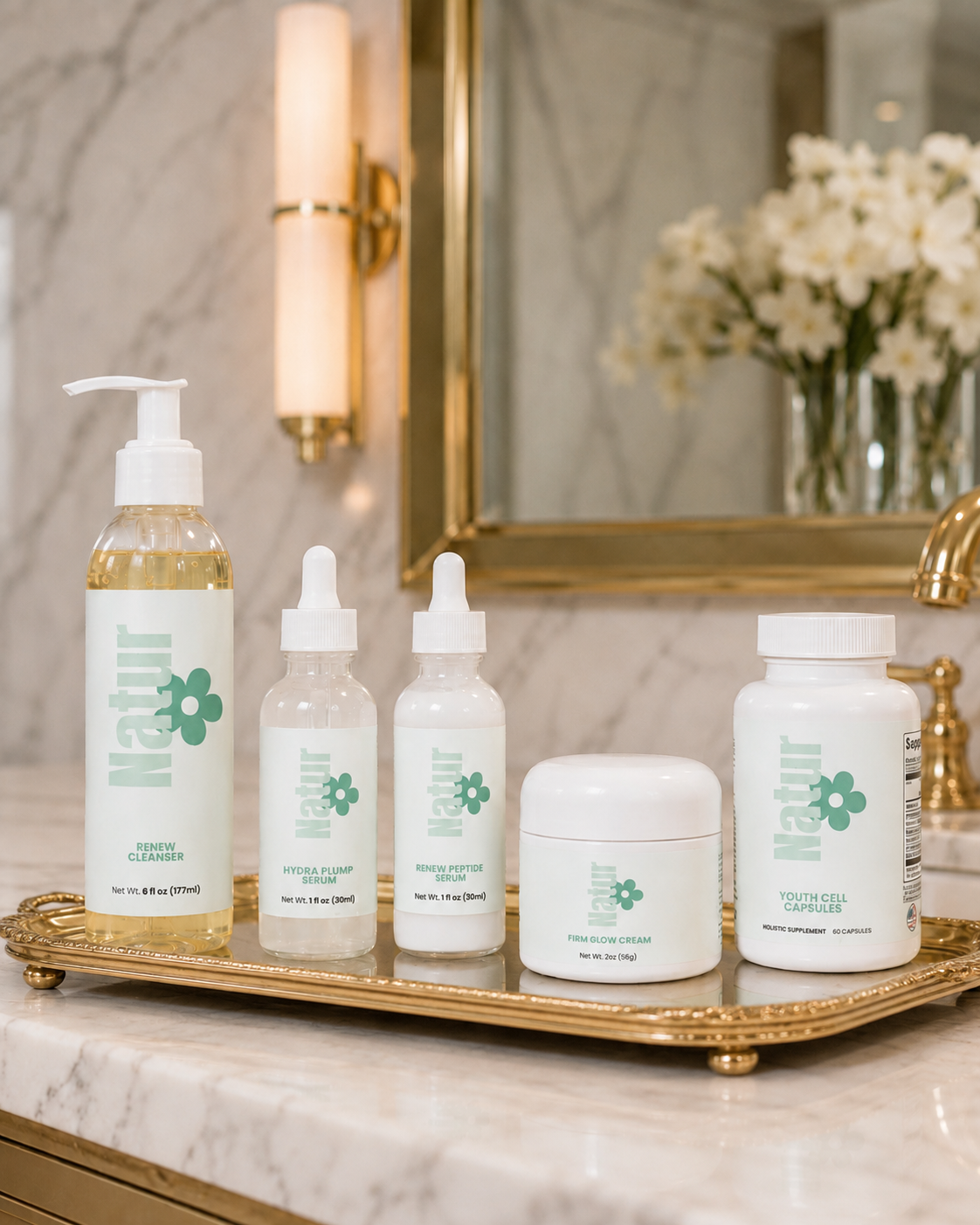
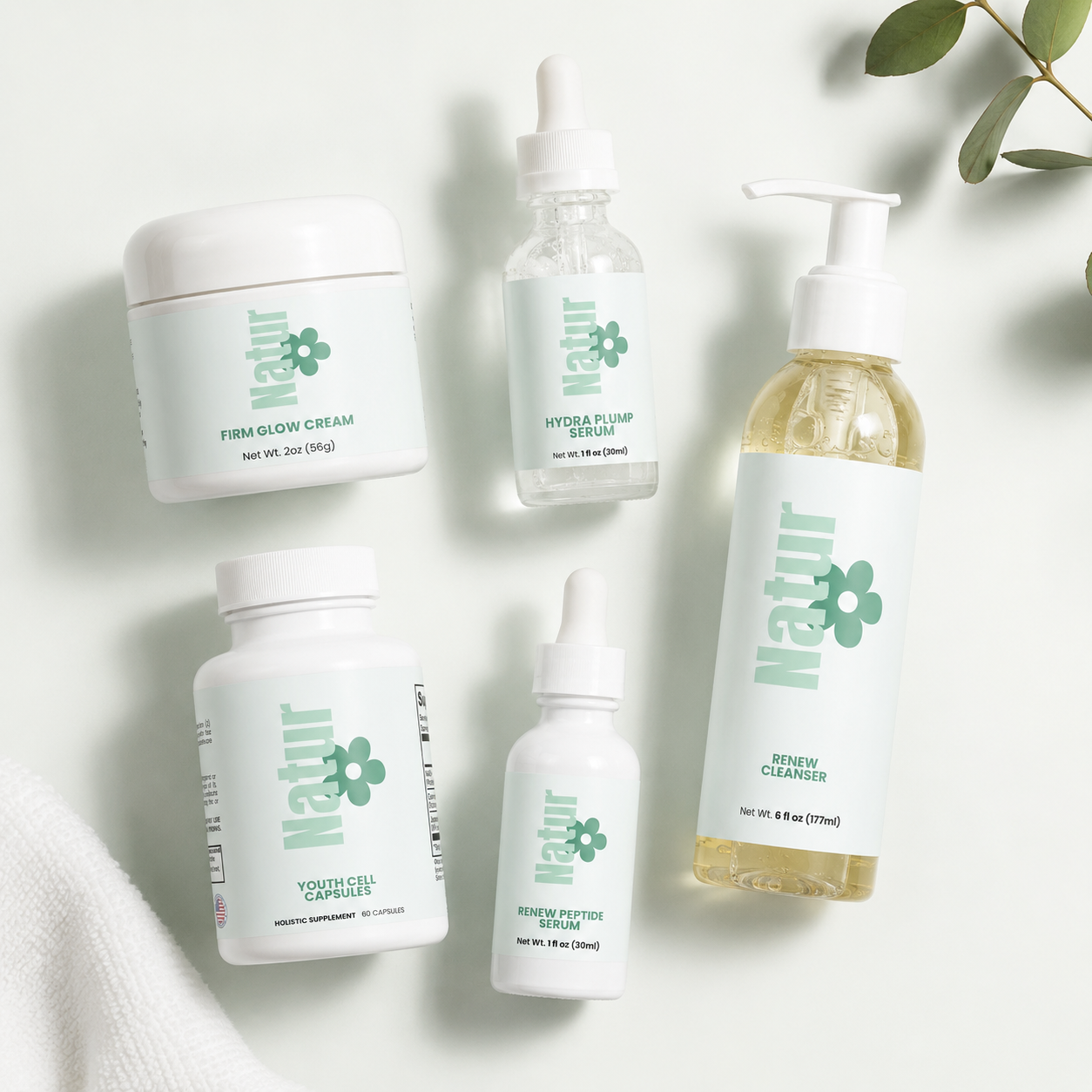
If you'd like a simple place to start, the Natur Skin Glow set pulls the supplements and skincare for this routine into one daily kit.

This article is for educational purposes only and is not medical advice. Always talk to a qualified healthcare professional before starting supplements or changing your health routine. These statements have not been evaluated by the Food and Drug Administration. Natur products are not intended to diagnose, treat, cure, or prevent any disease.