
Rosehip & Jojoba Oil: Your Best Duo for Skin Radiance
Natural oils can be wonders for your skin. Here’s how two favorites can help.
6 min read
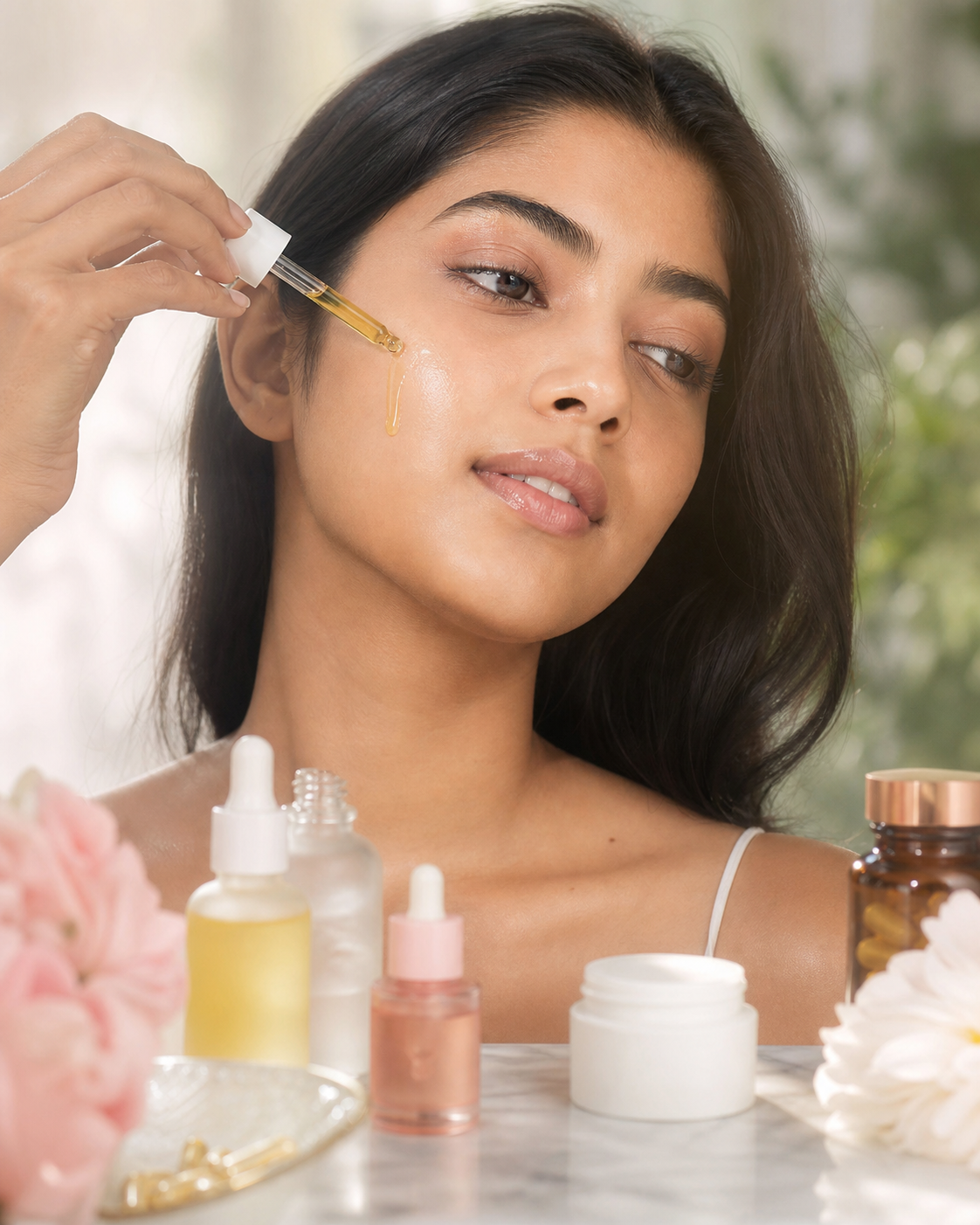
When we talk about skin that truly glows, it's often more about how we nourish it than how many steps we cram into our routine. You’ve probably heard whispers about certain natural oils, like rosehip and jojoba, and for good reason. They’ve been stalwarts in clean beauty for ages, helping many people achieve that soft, supple, radiant look. But what makes them special, and how do you actually use them in your everyday? Let’s dive into what makes these two oils so beloved and how they can fit into your skin's happy place.
Rosehip Oil: The Skin's Gentle Embracer
First up, let’s talk about rosehip oil. This lovely oil comes from the seeds of wild rose bushes, often those found in Chile. It’s a bit different from rose essential oil, which is distilled from the petals and usually used for fragrance. Rosehip oil, on the other hand, is a powerhouse for skin nourishment.
What makes it so special? Well, it's rich in essential fatty acids, like linoleic and linolenic acid. These are like little building blocks that can help support the skin's natural barrier. A healthy skin barrier typically helps keep the good stuff in (like hydration!) and the less good stuff out. Because of its gentle nature, many people find rosehip oil helps their skin feel smoother and more pliable. It’s also commonly used by those looking to improve the look of skin texture and tone.
Jojoba Oil: Nature's Balancing Act
Then there’s jojoba oil. Fun fact: technically, it’s not an oil but a liquid wax ester. This makes it incredibly similar in structure to the sebum your skin naturally produces. Because of this unique similarity, jojoba oil is often very well-received by many skin types, from dry to oily.
Its resemblance to your skin's natural oils means that it can potentially help your skin feel more balanced. For folks with oily skin, it may help send a signal to your skin that says, 'Hey, we've got enough oil here, no need to overproduce!' For dry skin, it's a lovely, lightweight emollient that can help lock in moisture without feeling heavy. It's a true friend for supporting a comfortable, natural skin feel.
The Dream Duo: How Rosehip and Jojoba Work Together
So, how do these two play together? Beautifully! Think of them as a tag team for your skin. Jojoba oil can provide that wonderful foundational hydration and help balance your skin, while rosehip oil comes in to address things like skin texture and overall radiance.
When used together, they can create a wonderful synergy. Jojoba oil might help with the absorption of rosehip oil, allowing your skin to really soak up those nourishing fatty acids. Many people find this combination leaves their skin feeling incredibly soft, looking dewy, and just generally happier.
This is exactly why we've included both of these clean beauty superstars in Natur Skin Glow. We understand that layering different oils can be a bit of a puzzle sometimes, so having that thoughtful blend ready to go makes it so much simpler to get the benefits of both without overthinking it.
Adding Them to Your Routine: Keep It Simple
Incorporating these oils doesn't have to be complicated. After cleansing and perhaps a serum, you'd typically apply your oils. Here’s a super simple way:
Cleanse your face with a gentle, fragrance-free cleanser.
If you use a serum, apply it and let it sink in for a moment.
Take a few drops of your chosen oil blend (or combine a drop of each in your palm) and gently press it into your skin. You can use your fingertips to spread it evenly across your face and neck.
Follow up with a face cream if your skin feels extra thirsty. The oils can help to lock in that extra layer of moisture.
Always remember a good mineral sunscreen during the day!
- Cleanse your face with a gentle, fragrance-free cleanser.
- If you use a serum, apply it and let it sink in for a moment.
- Take a few drops of your chosen oil blend and gently press it into your skin. You can use your fingertips to spread it evenly across your face and neck.
- Follow up with a face cream if your skin feels extra thirsty. The oils can help to lock in that extra layer of moisture.
- Always remember a good mineral sunscreen during the day!
A Few Helpful Tips
Listen to your skin. If it feels like too much, use less. If it feels like it needs more, add another drop or two. Your skin is always sending you signals.
Consistency is key. Like with most good things in skincare, using these oils regularly is how you'll start to see and feel the difference.
Store your oils properly. Keep them in a cool, dark place away from direct sunlight to help them stay fresh and effective longer.
Final Thoughts on Your Glow
There's something uniquely satisfying about using natural oils to care for your skin. They feel good, often smell subtly earthy or nutty, and bring a sense of connection to nature right into your routine. Rosehip and jojoba oils stand out as gentle, effective choices that can genuinely support your skin in looking and feeling its best. Incorporating them can be a simple, yet impactful, step towards that radiant, inside-out glow we all cherish.
Frequently asked questions
What is the difference between rosehip oil and jojoba oil?
Rosehip oil is derived from rose plant seeds and is rich in essential fatty acids, often used to help improve the look of skin tone and texture. Jojoba oil is a liquid wax ester very similar to your skin's natural sebum, making it excellent for balancing and moisturizing.
Can I use rosehip oil and jojoba oil together?
Absolutely! Many people find that using rosehip and jojoba oil together provides a more comprehensive benefit for their skin. Jojoba can help with overall balance and hydration, while rosehip focuses on nourishment and enhancing the look of skin radiance.
When should I apply rosehip oil in my skincare routine?
You typically apply face oils after water-based serums but before your face cream. After cleansing and any lighter serums, gently press a few drops of rosehip oil (or your blend) into your skin.
Is jojoba oil good for all skin types?
Because jojoba oil closely resembles the skin's natural sebum, it is generally well-tolerated by many skin types. It can be beneficial for oily skin by helping to signal that enough oil is present, and for dry skin by providing gentle moisture.
How do natural oils help with glowing skin?
Natural oils like rosehip and jojoba can help support glowing skin by providing essential fatty acids and hydration, which can help maintain a healthy skin barrier. A well-nourished and balanced skin barrier often appears smoother, softer, and more radiant.
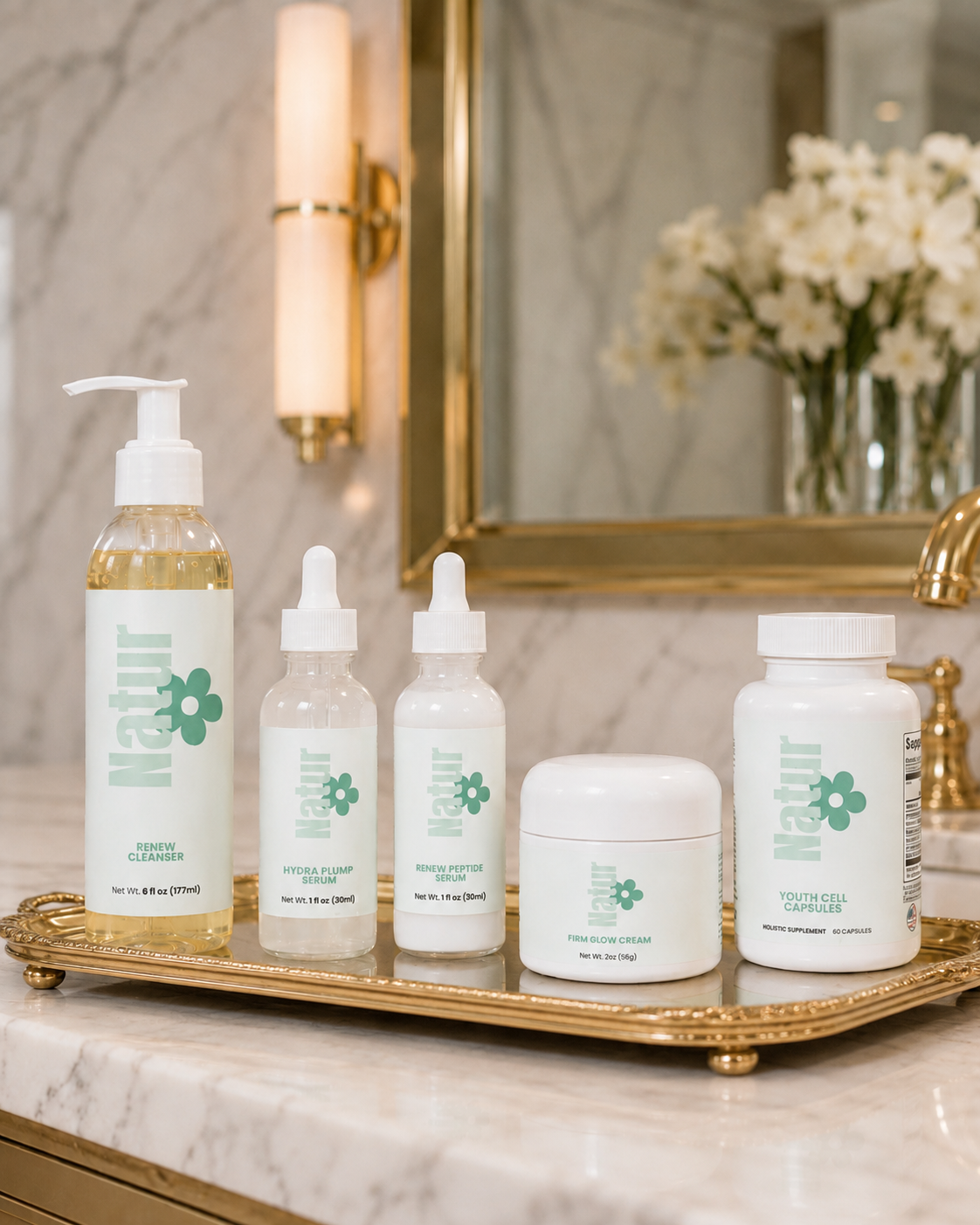
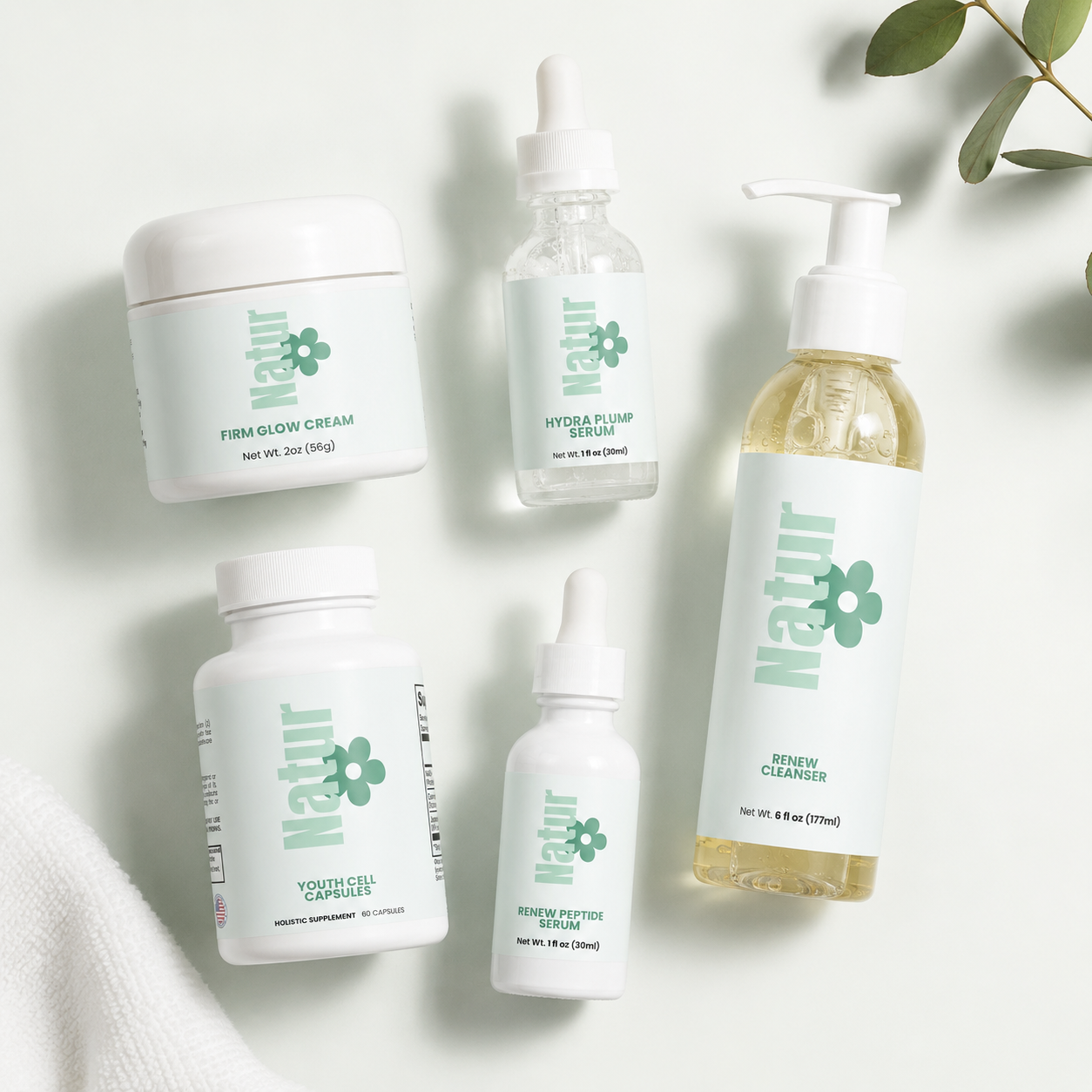
If you'd like a simple place to start, the Natur Skin Glow set pulls the supplements and skincare for this routine into one daily kit.

This article is for educational purposes only and is not medical advice. Always talk to a qualified healthcare professional before starting supplements or changing your health routine. These statements have not been evaluated by the Food and Drug Administration. Natur products are not intended to diagnose, treat, cure, or prevent any disease.