
Rosehip and Jojoba Oil for Glowing Skin
Unlocking Your Natural Radiance with Nature's Best
6 min read
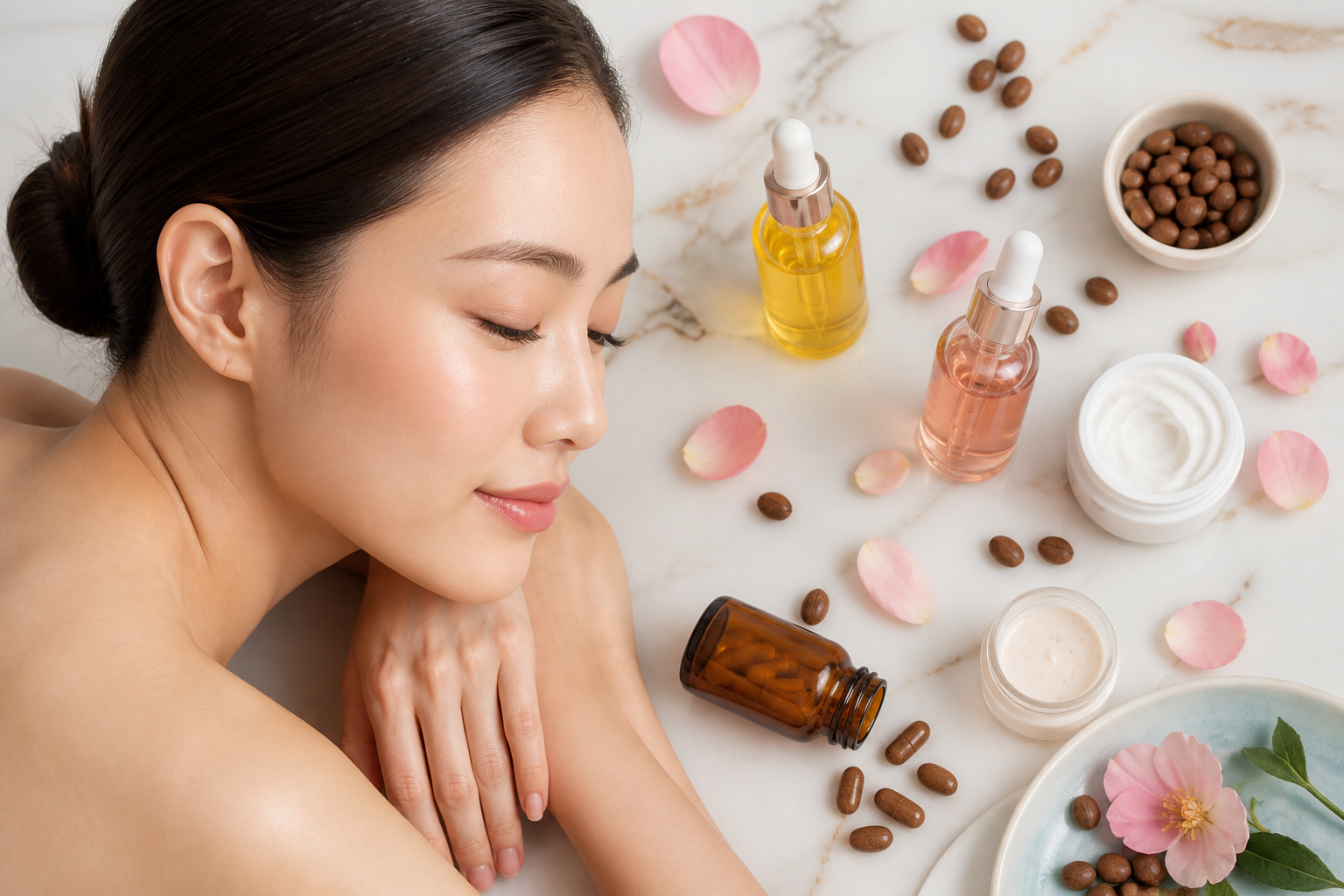
When it comes to skin that truly glows, sometimes the simplest ingredients hold the biggest secrets. We're not talking about complicated science experiments here, but rather a gentle nudge towards nature's own wisdom. For centuries, various cultures have turned to plant-based oils for skin support, and for good reason. They can offer a direct, nourishing touch that many of us are craving. Today, I want to shine a light on two particular stars in the clean beauty universe: rosehip oil and jojoba oil. You might have heard whispers about them, seen them pop up in your favorite serums, or maybe you're just curious about what makes them so special. Either way, you’re in the right place.
Why Oils for That 'Glow'?
First, let's get one thing straight: face oils aren't just for 'dry' skin. This is a common misconception! Oils can be fantastic for pretty much everyone, regardless of your skin type. Think of them as concentrated boosts of nourishment, designed to complement your skin's natural lipid barrier. Our skin produces its own oils, called sebum, to keep itself soft and protected. When we choose the right plant-based oils, we can support this natural function, which in turn may help skin feel more balanced and look more radiant.
The 'glow' we're all after often comes from healthy, well-nourished skin that reflects light evenly. When skin is dry or compromised, it can look dull. High-quality oils, especially those rich in beneficial compounds, can support the skin's ability to retain moisture, contributing to a smoother, more supple appearance. It's like giving your skin a little hug of goodness.
Rosehip Oil: The Brightening Star
Let's dive into rosehip oil. This gem is extracted from the seeds of wild rose bushes, often Rosa canina. It's truly a powerhouse! Many people love rosehip oil because it's packed with essential fatty acids, like omega-3 and omega-6, and may help skin feel softer and appear more even-toned. It's also often mentioned for its potential to improve the look of skin texture and vibrancy, which is pretty exciting.
People commonly use rosehip oil to support the appearance of glowing skin. Its unique composition is often preferred by those looking to address the look of uneven skin tone or support a brighter complexion. It's a fantastic oil to consider if you're aiming for that 'lit-from-within' look.
For a clean beauty routine, rosehip oil can be a staple. You'll find it as a key ingredient in many high-quality serums and face oils, including some of Glow Natur’s offerings, designed to support overall skin radiance. It’s a wonderful choice for those who want to integrate natural ingredients into their anti-aging routine, helping skin look its best as the years go by.
Jojoba Oil: The Skin's Best Friend
Now, onto jojoba oil. This one is a bit of an overachiever. Fun fact: jojoba oil isn't actually an oil in the traditional sense; it's a liquid wax ester. Why does that matter? Because its structure is incredibly similar to our skin's natural sebum. This makes it wonderfully compatible with almost all skin types, even those prone to oiliness, because it's less likely to feel heavy or clog pores.
Jojoba oil is prized for its ability to provide gentle hydration and help skin feel balanced. Because it's so similar to our own skin's natural oils, it can help support the skin barrier, which is essential for healthy, resilient skin. Many people find that using jojoba oil regularly helps their skin feel smoother and more supple without feeling greasy.
It's a fantastic 'carrier' oil, too, meaning it plays well with others. If you're using other active ingredients or essential oils, jojoba can help deliver them effectively while offering its own soothing properties. It's a true team player in any clean beauty routine, especially if you're aiming for a balanced, healthy glow.
Layering for Maximum Glow
So, you have these two wonderful oils. How do you use them effectively? The general rule of thumb for layering skincare is 'thinnest to thickest,' but with oils, it's a little more nuanced. If you're using a serum, that typically goes first, after cleansing and toning. Then comes your oil, and finally, your face cream to seal everything in.
For example, you might cleanse, apply a hydrating serum (like one with hyaluronic acid), then gently press a few drops of a blended oil (perhaps from the Natur Skin Glow set, which often combines such beneficial oils) into your skin. Finish with your favorite clean face cream. You can also mix a drop or two of oil directly into your moisturizer for an extra boost of nourishment.
You don't need a lot! A few drops, warmed between your palms and gently pressed onto your face, neck, and décolletage, is usually plenty. Listen to your skin – it will tell you what it needs. Some days might call for more, others less. Consistency is key, but so is flexibility.
Embracing the Clean Beauty Philosophy
Choosing rosehip and jojoba oils aligns perfectly with a clean beauty philosophy. It’s about opting for ingredients that are close to nature, minimally processed, and free from things your skin (and the planet) might not love. At Glow Natur, we believe in the power of these pure, simple ingredients to support your skin's natural beauty. It's not about quick fixes but about building a sustainable routine that nurtures your skin from the inside out.
When you use high-quality, pure oils like rosehip and jojoba, you're not just applying a product; you're engaging in a ritual of self-care. You're giving your skin nutrient-rich goodness that can help it look and feel its best. This thoughtful approach to skincare is what truly unlocks that healthy, radiant glow we all desire.
Frequently asked questions
What are the benefits of rosehip oil for skin?
Rosehip oil is known for its richness in essential fatty acids and may help skin feel softer, appear more even-toned, and contribute to a more vibrant complexion. Many people find it helps support the look of youthful skin.
How does jojoba oil help skin?
Jojoba oil is unique because its structure is very similar to our skin's natural sebum. This makes it excellent for providing gentle hydration, helping skin feel balanced, and supporting the skin's natural barrier without feeling heavy.
Can I use rosehip and jojoba oil together?
Absolutely! They complement each other beautifully. Jojoba oil can act as a wonderful carrier for rosehip oil, allowing you to benefit from both. Many blended face oils, like those in the Natur Skin Glow set, combine such beneficial ingredients.
What is the best way to apply face oils?
After cleansing and toning, and before your face cream, warm a few drops of oil between your palms. Gently press and pat it onto your face, neck, and décolletage. You can also mix a drop or two into your moisturizer for an extra boost.
Are rosehip and jojoba oils good for all skin types?
Many people with various skin types find both rosehip and jojoba oils beneficial. Jojoba oil, in particular, is often well-tolerated even by those with oily or blemish-prone skin due to its sebum-like structure. As always, it's a good idea to patch test new products.
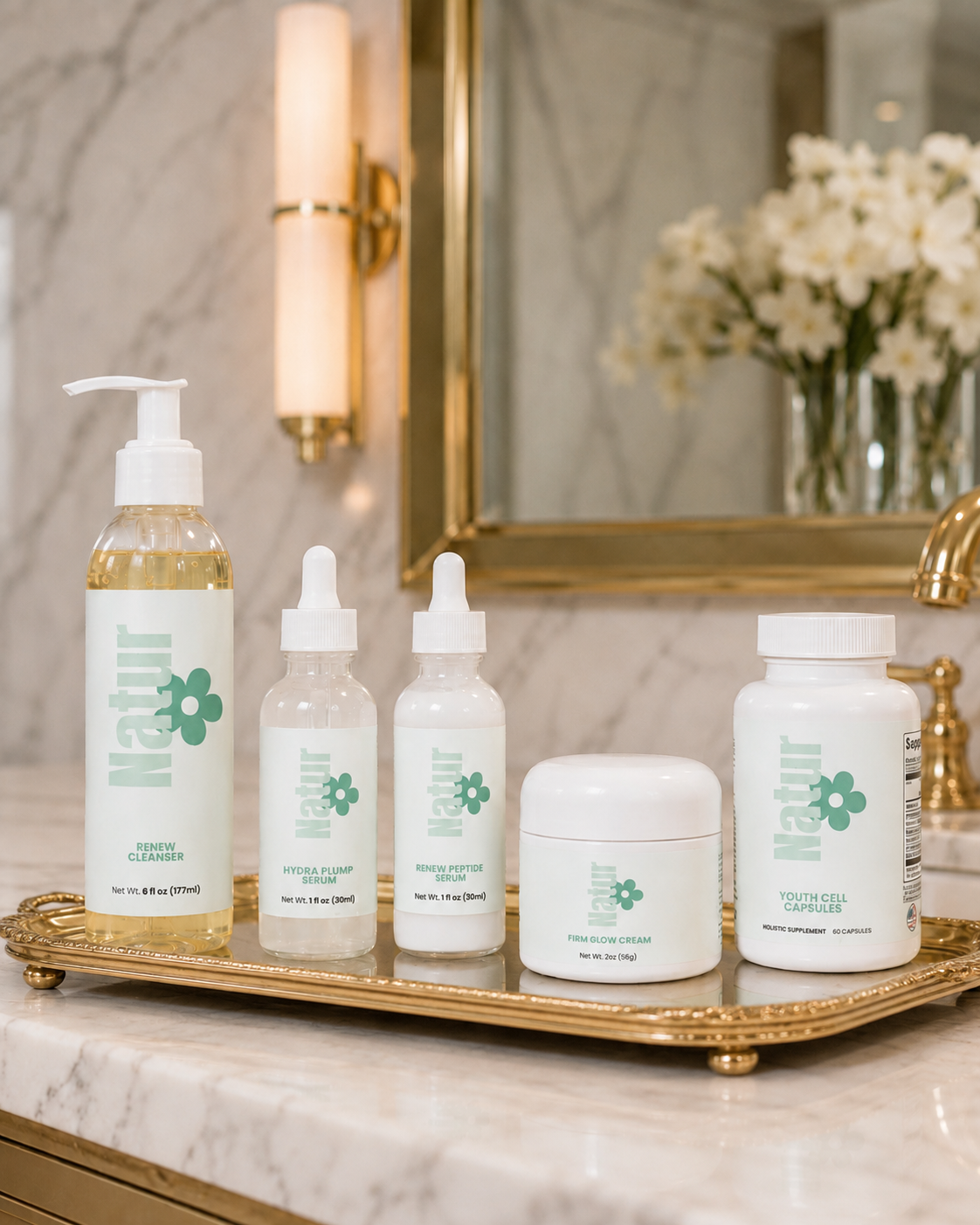
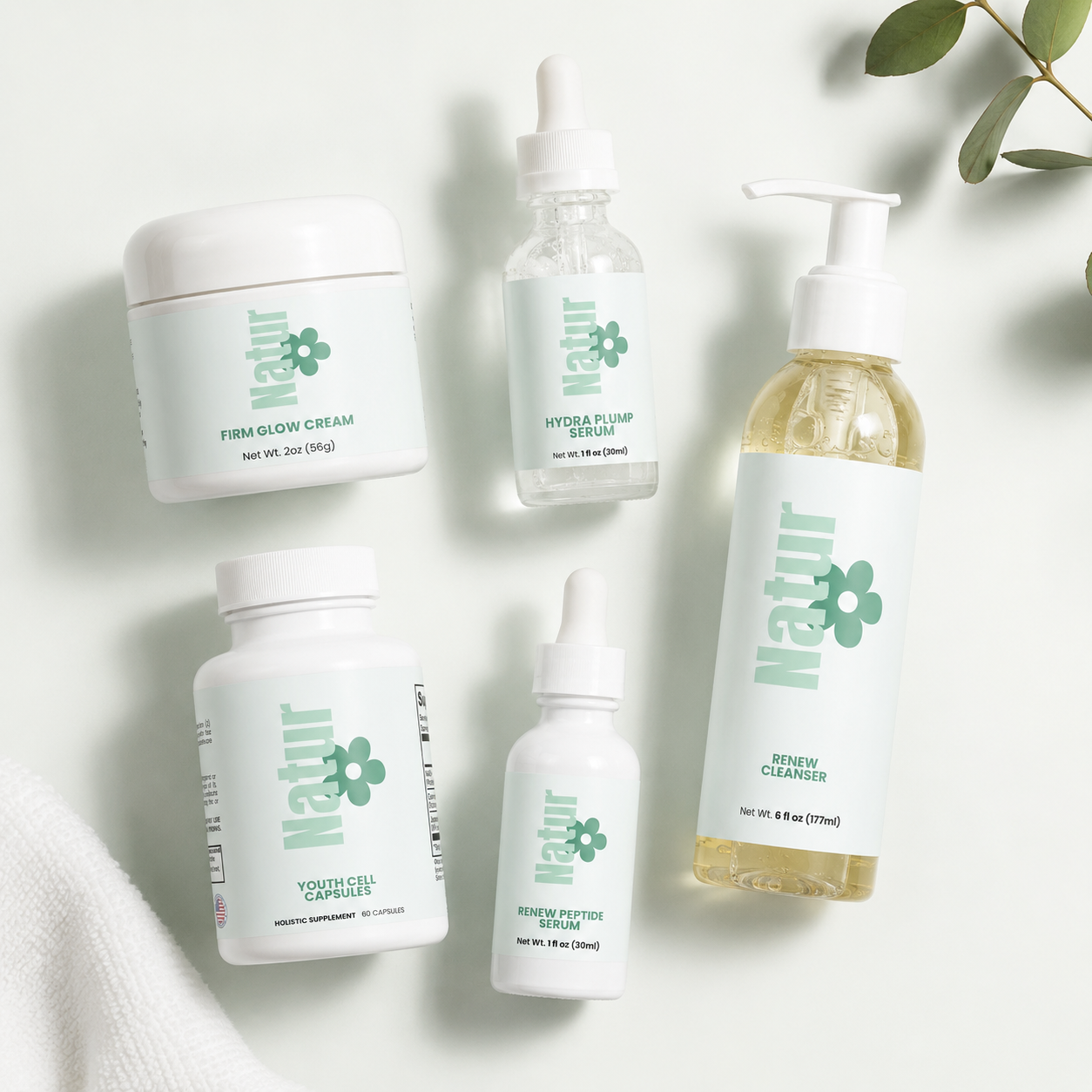
If you'd like a simple place to start, the Natur Skin Glow set pulls the supplements and skincare for this routine into one daily kit.

This article is for educational purposes only and is not medical advice. Always talk to a qualified healthcare professional before starting supplements or changing your health routine. These statements have not been evaluated by the Food and Drug Administration. Natur products are not intended to diagnose, treat, cure, or prevent any disease.