
Retinol & Peptides: Your Beginner's Guide
Discover how these two power ingredients can support your skin's look.
6 min read
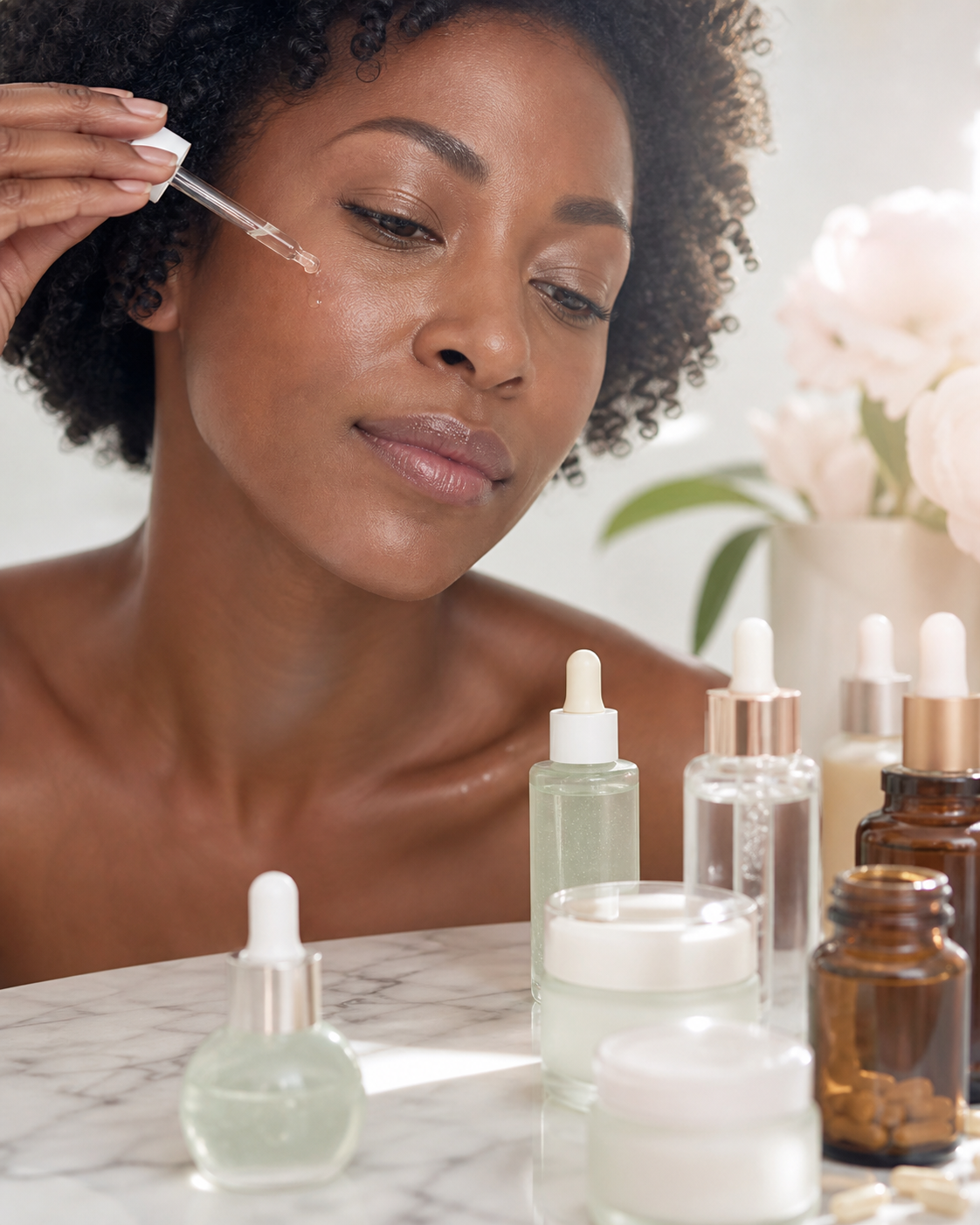
Walk into any beauty store or scroll through any skincare site, and you’ll quickly hear about retinol and peptides. They’re like the popular kids in class, always getting talked about. But if you’re just starting to explore active skincare, all the buzz can feel a little… intense. What exactly *are* these ingredients? Do you need both? And how do you even begin to use them without overwhelming your skin? Let's take a deep breath and break it down. Think of this as your friendly, no-pressure guide to understanding two of skincare's favorite helpers.
Meet Retinol: The Unsung Hero for Skin Renewal
First up, retinol. It's a type of retinoid, which is a derivative of Vitamin A. Think of it as a helpful ingredient that can encourage your skin’s natural cycle of renewal. As we get a little older, that natural renewal process can slow down. Retinol steps in to gently nudge things along, helping skin look fresher and smoother.
What does this look like on your face? Many people find that consistent use of retinol can help improve the look of skin texture, minimize the appearance of fine lines, and give your complexion a more even-toned, radiant look. It’s often praised for its ability to support skin that feels firmer and appears more youthful. Because it's potent, the key with retinol is starting slow and listening to your skin. Many clean beauty brands formulate retinol with soothing ingredients to make it more comfortable for beginners.
Hello, Peptides: The Building Blocks of Firmer-Looking Skin
Now, let's talk about peptides. These are short chains of amino acids, and amino acids are the building blocks of proteins like collagen and elastin. Think of peptides as tiny messengers for your skin. When applied topically, they can signal your skin to do certain things, like produce more collagen.
Why is collagen important? It’s what gives your skin that plump, firm, and bouncy feel. As we age, our natural collagen production can decrease, leading to skin that might look a little less firm. Peptide serums are designed to support your skin's natural collagen production, which may help skin feel more resilient and appear smoother. They're generally very well-tolerated by most skin types, making them a fantastic addition for almost anyone looking to support a youthful skin appearance.
Retinol vs. Peptides: Do You Need Both?
So, you might be wondering, do I need both a retinol and a peptide product? The short answer is: they work really well together! They tackle different aspects of skin support but often aim for similar goals – a healthier, more youthful look.
Retinol is fantastic for encouraging skin renewal and improving overall texture and tone. Peptides are more focused on supporting the skin's structure, like that plump, firm feeling. Using them together can offer a more comprehensive approach to skin wellness. Many people find this combination helps in their quest for that inside-and-out glow, supporting skin that looks vibrant and feels strong.
How to Introduce Them to Your Skincare Routine (The Gentle Way)
Okay, so you’re ready to bring retinol and peptides into your life. Fantastic! Here’s how to do it without overwhelming your skin. Remember, slow and steady wins the race, especially with active ingredients.
If you're new to both, consider starting with a peptide serum first. They are generally gentler. After a few weeks of consistent use, if your skin is happy, you can slowly introduce retinol. For retinol, start by using it just 2-3 nights a week. A pea-sized amount is plenty for your whole face. Apply it to clean, dry skin after cleansing, then follow with a good moisturizer. If your skin feels sensitive, you can even apply your moisturizer *before* your retinol to create a buffer. Gradually increase usage as your skin adjusts. For a simple routine, you might use a peptide serum in the morning and a retinol serum a few nights a week, always followed by a good face cream.
- **Cleanse:** Start with a gentle, fragrance-free cleanser.
- **Peptide Serum:** Apply a few drops of a peptide serum like Natur's Radiance Repair Serum in the morning or evening. This serum is formulated to support skin that appears firmer and smoother.
- **Retinol Serum (Evening):** On nights you use retinol, apply a thin layer after your peptide serum (or on alternating nights). Natur offers gentle retinol that's designed for comfortable use.
- **Face Cream:** Follow with a nourishing face cream to lock in moisture and support your skin barrier.
- **SPF (Daytime):** In the morning, always, always finish with a mineral sunscreen. Retinol can make your skin more sensitive to the sun.
Your Glow Natur Routine with Retinol and Peptides
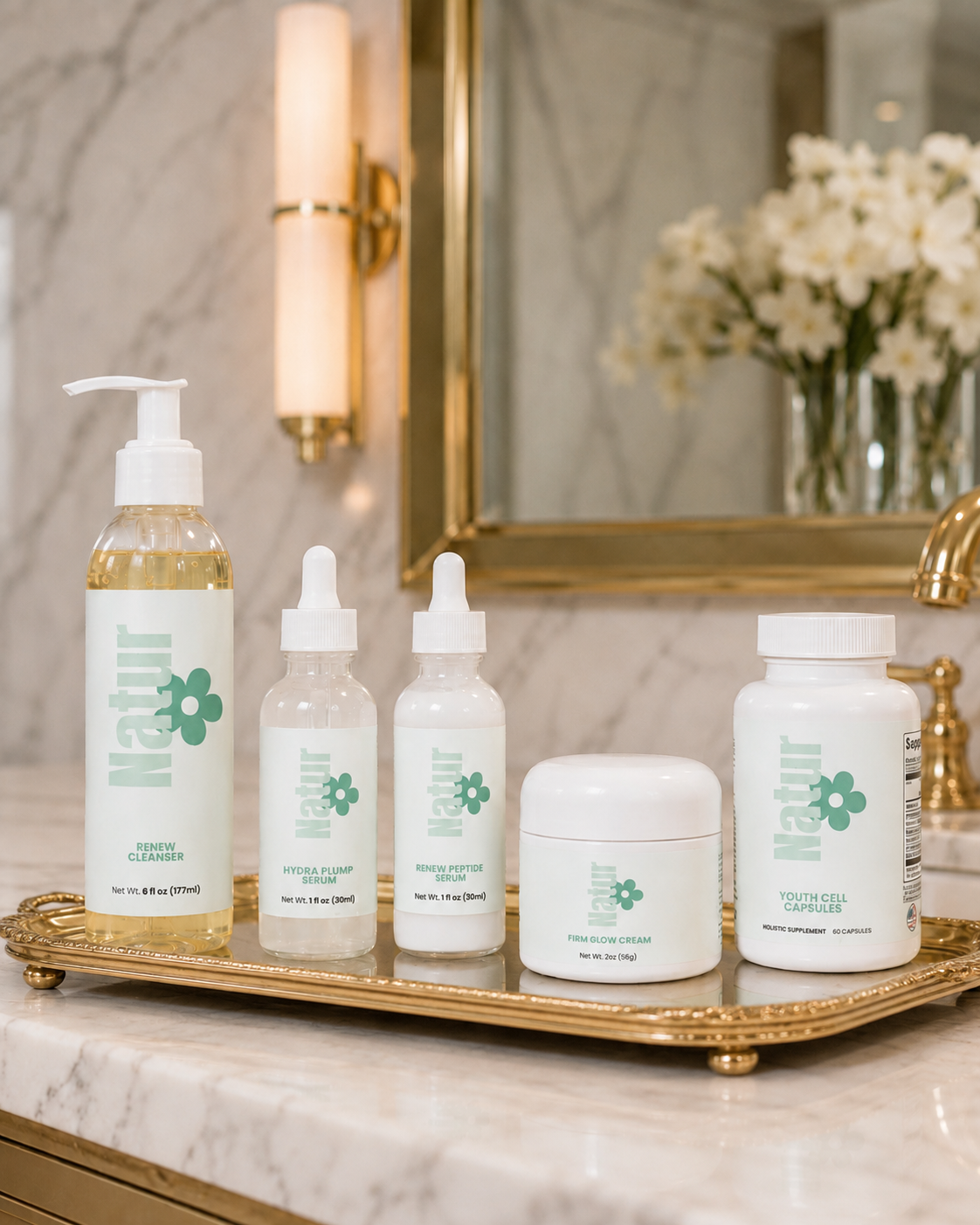
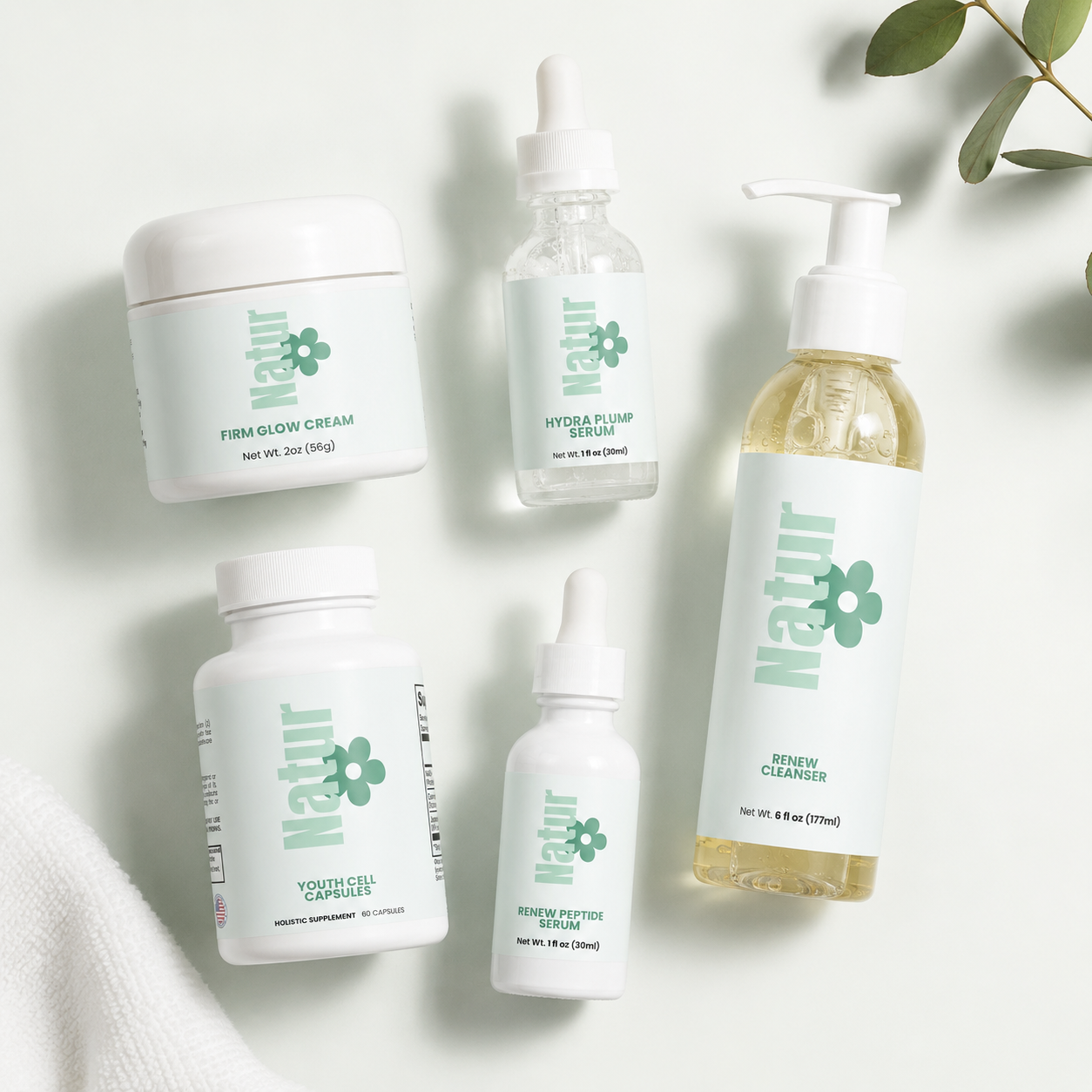
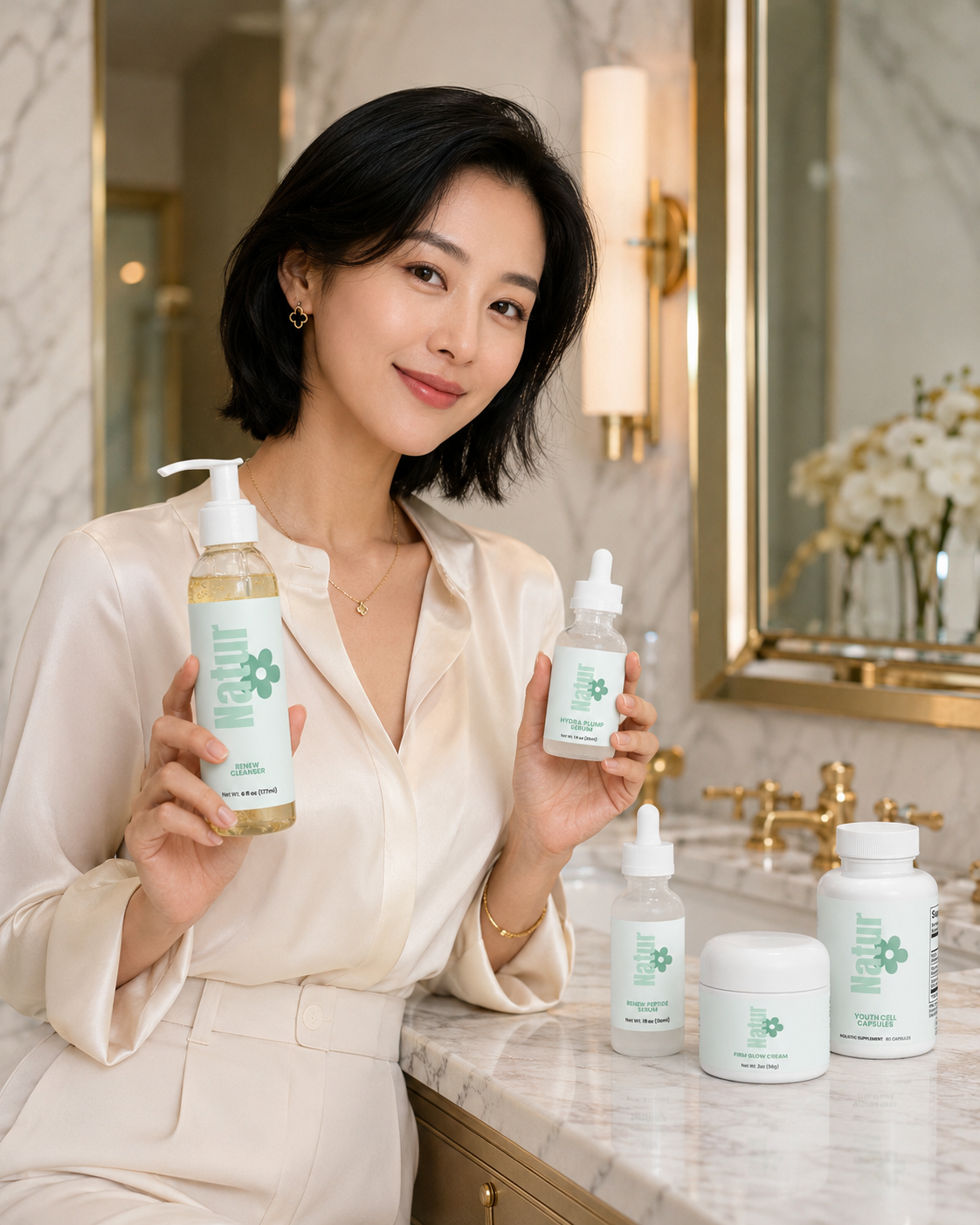
If you're looking for a simple way to combine these powerful ingredients, the Natur Skin Glow set offers a great foundation. It’s designed to provide nourishment and support for radiant-looking skin. You could easily incorporate a separate, gentle retinol serum into this routine on alternating nights. For example, use the peptide-rich serum from your Skin Glow set in the mornings for daily firming support, and introduce the retinol a few evenings a week. Then, follow up with the nourishing face cream from the set, or even a few drops of a clean face oil like jojoba or rosehip oil for extra moisture.
Remember, consistency is key, and so is listening to your skin. A little redness or dryness when starting retinol is normal, but if it's persistent or uncomfortable, scale back your use and give your skin a break. Your journey to glowing skin should feel good, not like a chore.
Frequently asked questions
What's the main difference between retinol and peptides?
Retinol, a form of Vitamin A, primarily supports skin cell renewal, helping to improve the look of texture, fine lines, and uneven tone. Peptides are amino acid chains that act as messengers, signaling the skin to support its natural production of proteins like collagen, which can help skin appear firmer and plumper.
Can I use retinol and peptides together in the same routine?
Yes, many people successfully use retinol and peptides together. They address different aspects of skin health and can be complementary. Often, people apply a peptide serum first, then follow with retinol, or use peptides in the morning and retinol at night.
Which one should I start with if I'm a beginner?
If you're new to both, it's generally recommended to start with a peptide serum first, as peptides are typically very gentle and well-tolerated. Once your skin is comfortable with peptides, you can slowly introduce a gentle retinol product, starting a few nights a week and gradually increasing frequency.
Are there any side effects to using retinol?
When first starting retinol, some people may experience mild dryness, redness, or peeling as their skin adjusts. This is often temporary. Starting with a low concentration, using it infrequently (2-3 times a week), and always following with a good moisturizer can help minimize these effects. Always use sunscreen daily when using retinol.
How long does it take to see results from retinol and peptides?
Skincare results vary for everyone, but with consistent use, you might start to notice improvements in skin texture and radiance from retinol after several weeks to a few months. Peptides can also take several weeks of consistent use to show visible improvements in skin firmness and smoothness, as they support the skin's natural processes over time.
If you'd like a simple place to start, the Natur Skin Glow set pulls the supplements and skincare for this routine into one daily kit.
This article is for educational purposes only and is not medical advice. Always talk to a qualified healthcare professional before starting supplements or changing your health routine. These statements have not been evaluated by the Food and Drug Administration. Natur products are not intended to diagnose, treat, cure, or prevent any disease.