
Peptides & Firmer-Looking Skin
Your gentle guide to what they do and how they fit your routine.
6 min read
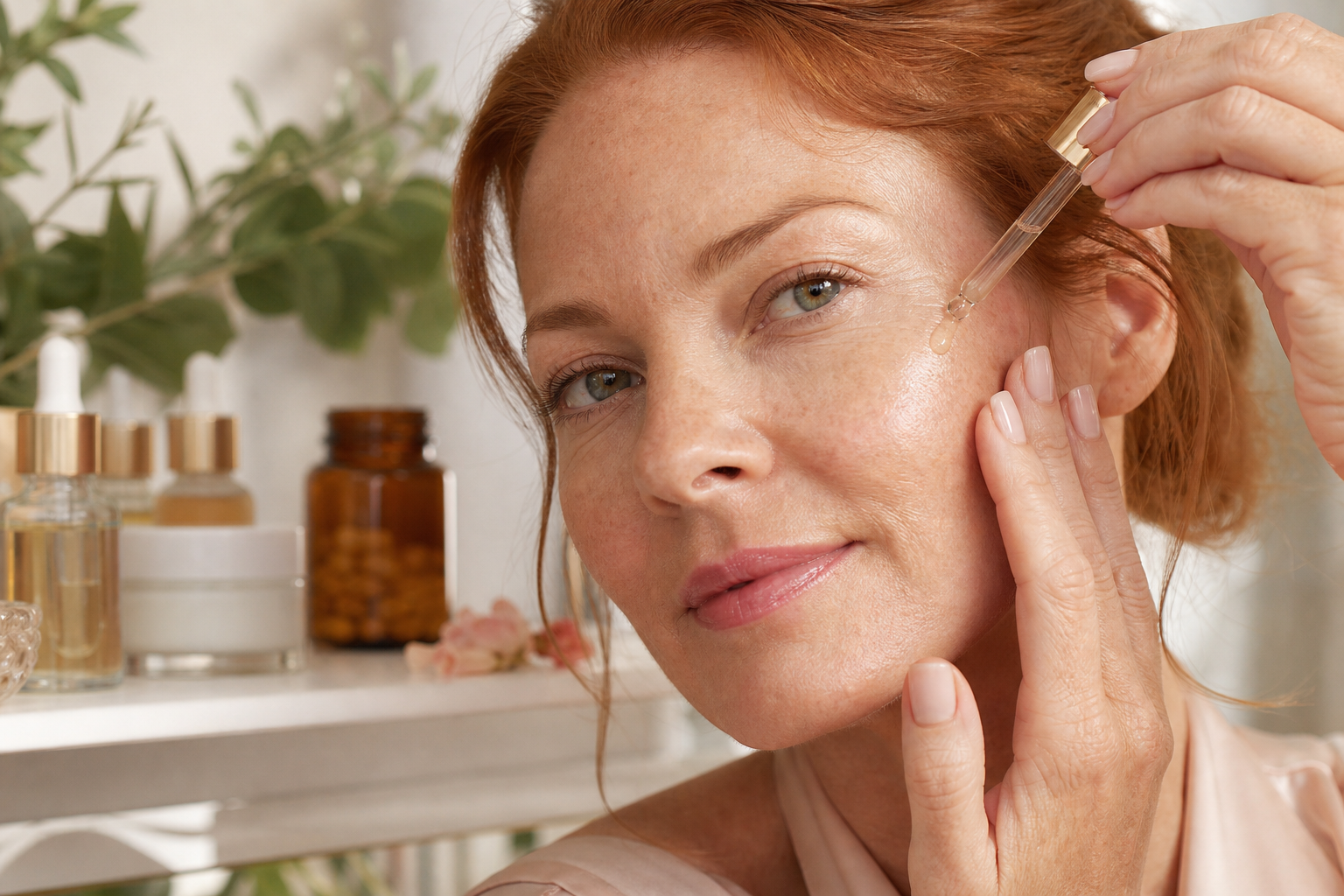
Have you ever heard the term 'peptides' tossed around in skincare conversations and wondered what all the fuss was about? You’re not alone. Peptides have been getting a lot of buzz in clean beauty circles, and for good reason. They’re like tiny, industrious workers for your skin, making a big impact without harshness. If you’re looking to support a firmer, smoother appearance and maintain that youthful glow, peptides are a fantastic area to explore.
Peptides: Your Skin's Little Messengers
So, what exactly are peptides? Think of them as small fragments of proteins. Proteins, like collagen and elastin, are the building blocks that give your skin its structure, strength, and bounce. When these larger proteins break down, they form peptides. Your skin, being the clever organ it is, interprets these peptides as signals. Depending on the type of peptide, they can 'tell' your skin to do different things, like produce more collagen, calm inflammation, or support its natural repair processes.
It’s a bit like sending a specific text message to a friend. Instead of yelling a general message, you’re sending a targeted instruction. This targeted communication is why peptides are so interesting in the world of clean beauty. They’re not just adding a layer to your skin; they’re working with your skin’s own natural systems.
How Peptides Support Firmer-Looking Skin
One of the main reasons peptides are popular in anti-aging routines is their potential to support collagen production. As we get older, our skin naturally produces less collagen. This can lead to a visible loss of firmness and the appearance of fine lines. Certain peptides, often called 'signal peptides,' can mimic the naturally occurring peptides that signal your skin to produce more collagen. When your skin gets these signals, it can kick-start its collagen synthesis, which in turn may improve the look of skin firmness and elasticity.
Beyond collagen, some peptides are designed to help relax the look of facial tension, much like the way certain neuro-peptides work. Others, called 'carrier peptides,' can help deliver trace elements like copper to the skin, which are important for enzyme functions that play a role in collagen creation and skin repair. Essentially, they're helping to provide a foundation for your skin to look its best and feel more resilient.
Weaving Peptides into Your Daily Glow Natur Routine
Adding peptides to your skincare doesn't have to be complicated. They’re quite versatile and play well with most other clean beauty ingredients. The best way to incorporate them is typically through leave-on products like serums or creams, as this gives them ample time to interact with your skin. For instance, a peptide-rich serum applied after cleansing and before your moisturizer can be a wonderful addition.
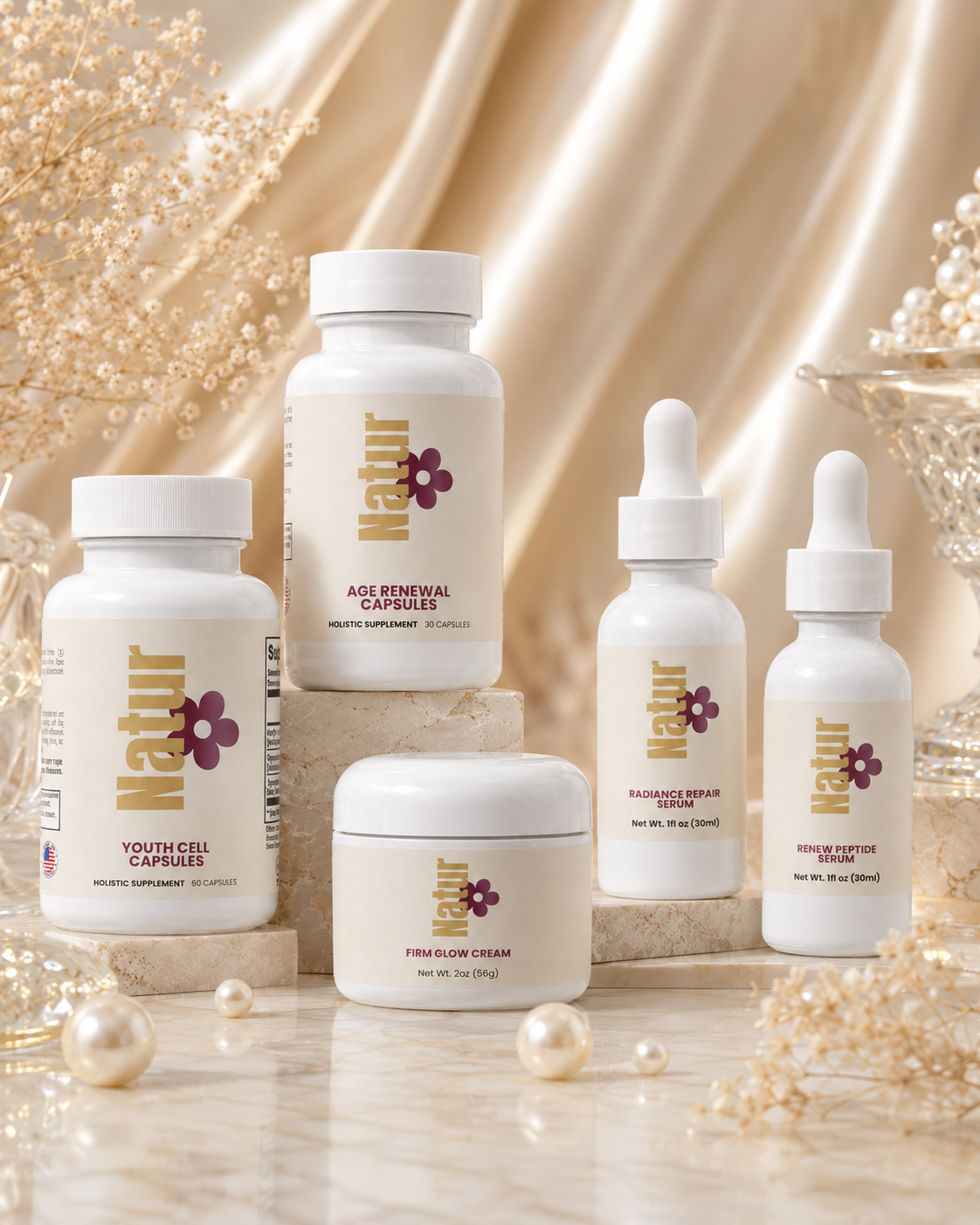
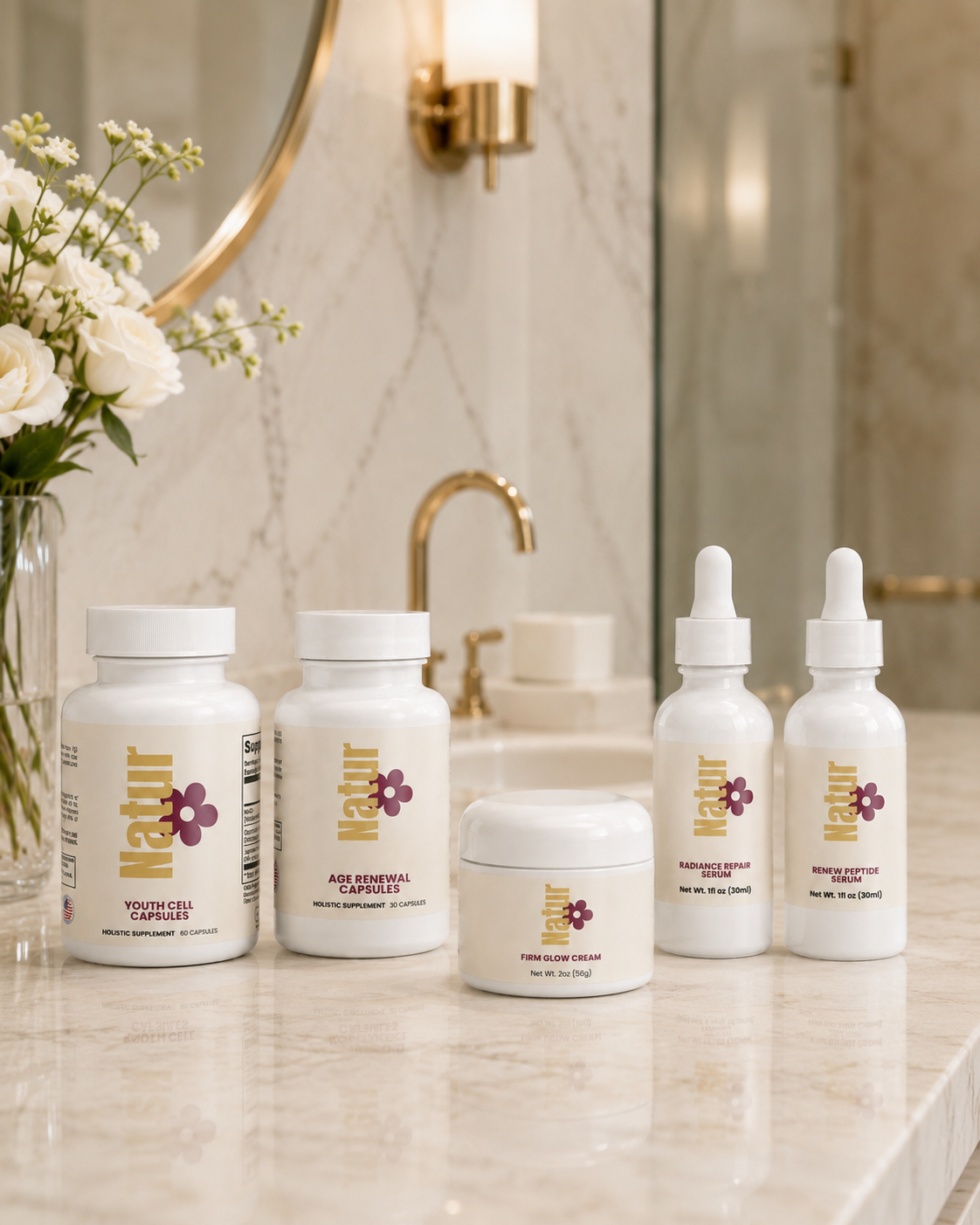
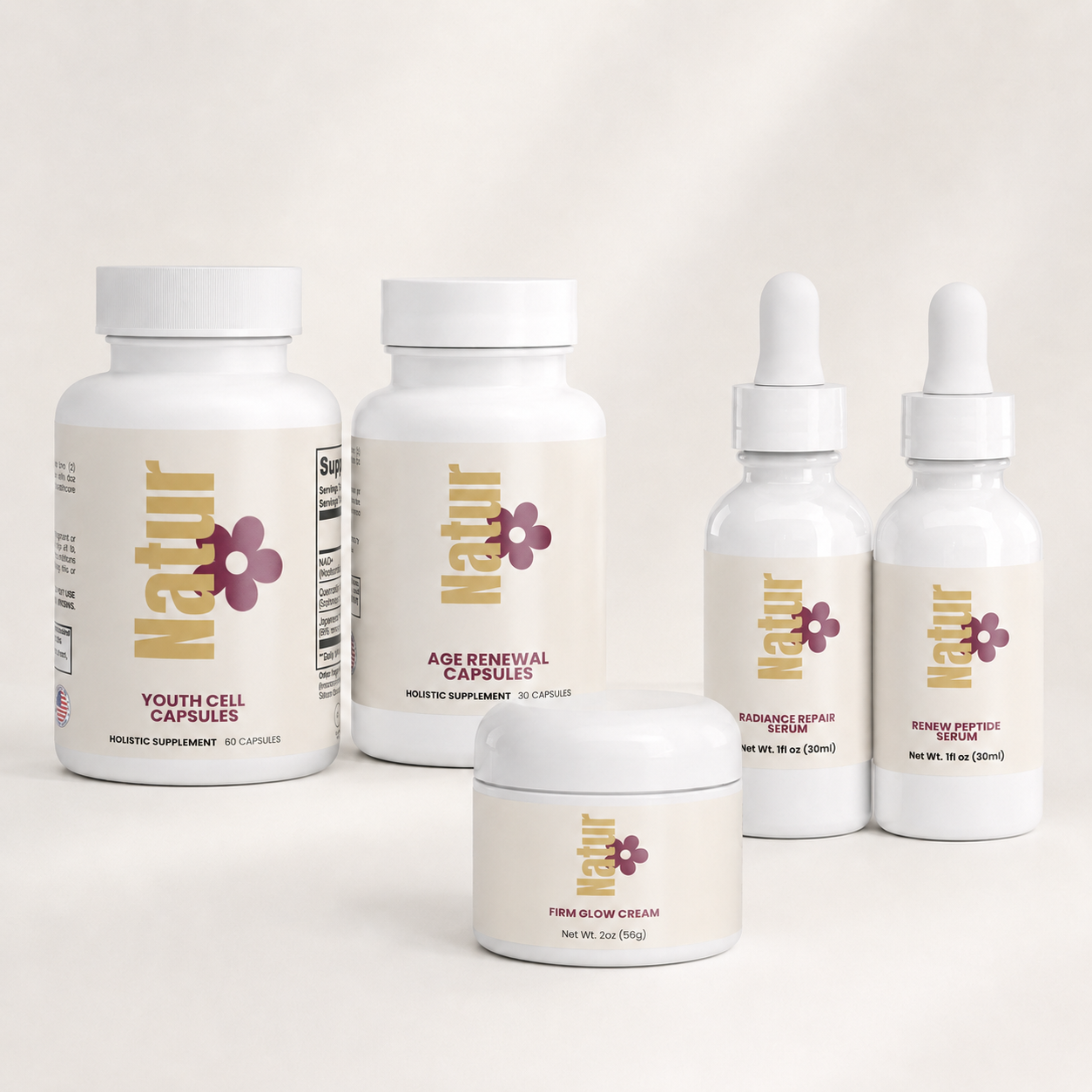
The Natur Age Renewal set, for example, is crafted with these principles in mind. Its serum and face cream are formulated with carefully selected peptides designed to support the look of skin firmness and elasticity, helping to encourage that youthful glow. Applying a product like the Natur Age Renewal Serum gently over your face and neck, then following up with the Natur Age Renewal Cream, ensures these beneficial messengers have a chance to get to work.
You'll want to ensure you're using a gentle cleanser first, and always finish your morning routine with a good mineral sunscreen to protect your skin from environmental stressors. Peptides are a fantastic complement to a well-rounded clean beauty regimen focused on supporting your skin’s natural vitality.
Beyond Peptides: A Holistic Approach to Age Renewal
While peptides are powerful allies, achieving that inside-and-out glow isn't just about one ingredient. Think about your entire routine. Are you hydrating enough? Are you nourishing your body with nutrient-rich foods? These all contribute to how your skin looks and feels.
Supplements can also play a supporting role. For example, some people find that taking collagen peptides orally can help support the look of skin, hair, and nails. Antioxidant supplements like resveratrol can also help protect cells from oxidative stress, which contributes to visible signs of aging. Just like with topical products, choosing high-quality, third-party-tested supplements is key. Remember, anything you ingest should be discussed with a healthcare professional.
And don't forget the power of good, clean oils! Jojoba oil, which is very similar to your skin's natural sebum, or rosehip oil, known for its fatty acids and vitamins, can be excellent for nourishing and softening the skin, complementing the work of your peptide-infused products.
Patience and Consistency: Your Best Friends in Skincare
Like any good skincare habit, consistency is truly the secret sauce when it comes to peptides. You won't see results overnight; your skin needs time to respond to the signals these tiny molecules are sending. Most people find that with consistent use, over several weeks or even a few months, their skin may start to appear more firm, smooth, and radiant.
Think of it as nurturing your garden; you plant the seeds, water regularly, and give it time to grow. Your skin, too, responds best to a steady, thoughtful approach. Enjoy the process of caring for your skin, and celebrate the small improvements along the way.
Frequently asked questions
What are peptides and how do they work in skincare?
Peptides are short chains of amino acids, which are the building blocks of proteins like collagen and elastin. In skincare, they act as messengers, signaling your skin to perform specific functions, such as producing more collagen or helping to calm the skin, which can support a more youthful and healthier appearance.
Can peptides help improve skin's firmness?
Yes, many types of peptides are designed to support the skin's natural collagen production. By encouraging the skin to make more collagen, peptides may help improve the look of skin firmness and elasticity, contributing to a smoother, more resilient complexion.
What types of peptides are commonly used in skincare?
There are several types of peptides used in skincare, each with slightly different functions. Signal peptides encourage collagen production, carrier peptides help deliver important trace elements to the skin, and enzyme inhibitor peptides can help preserve existing collagen. Each type contributes to supporting skin health and a vibrant appearance.
How do I add peptide products to my skincare routine?
Peptides are best incorporated into your routine through leave-on products like serums or creams. After cleansing, apply a peptide serum, followed by your moisturizer. This allows the peptides sufficient contact time with your skin. Products like the Natur Age Renewal Serum and Cream are formulated to easily fit into your daily clean beauty regimen.
Are peptides a good alternative to retinol for sensitive skin?
For those with sensitive skin who find retinol too irritating, peptides can be an excellent alternative or complement. While they work through different mechanisms, peptides offer a gentler way to support skin renewal and firmness without the potential for redness or flaking often associated with retinoids. They can be a great option for maintaining skin vitality with less irritation.
If you'd like a simple place to start, the Natur Age Renewal set pulls the supplements and skincare for this routine into one daily kit.
This article is for educational purposes only and is not medical advice. Always talk to a qualified healthcare professional before starting supplements or changing your health routine. These statements have not been evaluated by the Food and Drug Administration. Natur products are not intended to diagnose, treat, cure, or prevent any disease.