
Layering Skincare: Serums, Oils & Creams
Get the most from your glow-boosting routine
6 min read
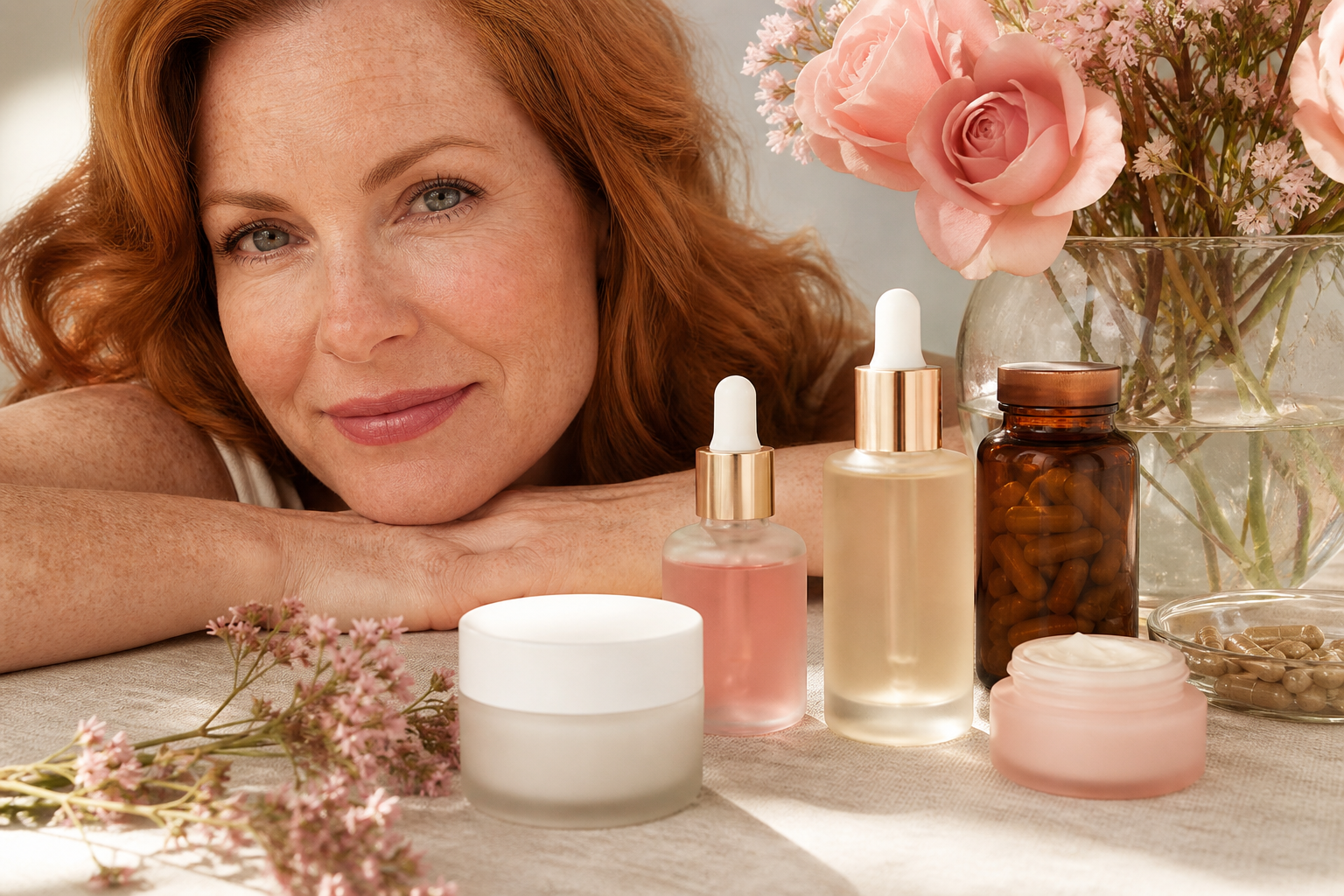
You’ve got all these beautiful bottles and jars lined up, each promising a little bit of magic for your skin. Serums, oils, creams… but then comes the million-dollar question: what goes where? It can feel a bit like trying to solve a puzzle, and sometimes, you just want to get your glow on without a chemistry lesson. The good news is, layering skincare isn't nearly as complicated as it might seem. Once you understand the basic principles, you'll be a pro at creating a routine that genuinely supports your skin's needs and helps all those lovely ingredients do their best work. Think of it like building a delicious layered cake – each layer serves a purpose, and they all come together to create something wonderful. Let's dig in and make sense of your skincare lineup, so every drop counts toward your natural radiance.
The Golden Rule of Layering: Thinnest to Thickest
This is the foundation of effective skincare layering. Imagine trying to get a thin, watery serum to penetrate through a thick, occlusive cream. It’s just not going to happen efficiently. Lighter, more fluid textures are absorbed more readily by your skin, especially when applied to a clean canvas. Thicker products, which often contain larger molecules or ingredients designed to seal in moisture, come last.
Think of it this way: your skin is like a sponge. It absorbs liquid easily. If you put a thick, creamy paste on it first, the sponge won’t be able to soak up the lighter liquids you apply afterward. So, always start with the most watery products and move up in texture. This ensures each product has the best chance to be absorbed and deliver its intended benefits.
Step 1: Cleanse and Tone (Your Canvas is Ready)
Before you even think about applying those gorgeous serums and creams, you need a clean slate. A gentle, fragrance-free cleanser removes impurities, makeup, and excess oil, allowing subsequent products to penetrate better. If you use a toner, this is where it comes in, right after cleansing. Toners can help balance skin's feel and prepare it for the next steps.
Make sure your skin is slightly damp after cleansing and toning – this can actually help your serums absorb even more beautifully. Patting gently with a clean towel is key; avoid harsh rubbing that can irritate your skin.
Step 2: Serums (Your Skin's Power-Packed Drink)
Serums are typically lightweight, concentrated formulas designed to deliver specific active ingredients deep into your skin. They often address particular concerns, like supporting the look of firmness, hydration, or a brighter complexion. Because they are so potent and usually have a thin consistency, they go on after cleansing/toning and before anything heavier.
If you're using more than one serum – and many people do – apply the thinnest one first. For example, a water-based hyaluronic acid serum might go before a slightly thicker niacinamide serum. A great option for starting your routine is a targeted serum from Glow Natur, designed to support that radiant complexion. Allow each serum a minute or two to fully absorb before moving to the next step.
Step 3: Eye Cream (Targeted Care)
Your delicate eye area often needs a little extra attention. Eye creams are formulated specifically for this thinner skin and are typically richer than serums but lighter than your main face cream. Applying it after serums allows the active ingredients to absorb without being diluted or blocked by a heavier face cream. Gently pat, don't rub, around the orbital bone.
Step 4: Oils (Nourish and Glow)
This is where people often get a little confused. Where do face oils fit in? The answer depends slightly on the *type* of oil and the *type* of moisturizer you're using. Generally, oils should be applied before your traditional cream moisturizer, especially if your moisturizer is heavier or more occlusive. Oils are designed to nourish and can provide a beautiful glow. A high-quality oil, like one from Glow Natur, can truly enhance your routine.
However, if your face oil is very rich and occlusive (meaning it creates a barrier), and your cream moisturizer is lighter, you might want to try the oil *after* the cream. But for most clean beauty oils, applying a few drops to your face after your serums and before your cream works wonderfully. The molecules in oils are larger than those in serums, so they create a layer that helps lock in the goodness from your serums while providing their own benefits.
Step 5: Moisturizer/Face Cream (Seal the Deal)
Your face cream is the grand finale (unless you're adding SPF). Its job is to hydrate, create a protective barrier, and seal in all the wonderful ingredients you've just applied. Whether it’s a lightweight lotion or a richer cream, it should be the last step before any sun protection. A clean face cream, like a nourishing option from Glow Natur, provides that final layer of comfort and care.
During the day, this step is immediately followed by mineral sunscreen. At night, your moisturizer is the last product you'll apply. Choose a cream that suits your skin type – something lighter for oilier skin, and richer for drier types. A good moisturizer helps keep your skin feeling supple and comfortable.
The Editorial Takeaway: Listen to Your Skin
While there's a generally accepted order for layering, remember that your skin is unique. What works perfectly for one person might need a slight tweak for another. Pay attention to how your skin feels and reacts. Does a certain product feel like it's not absorbing? Try adjusting its placement. Is your skin feeling a little overwhelmed? Maybe simplify your routine for a bit. The best routine is the one that feels good, delivers visible benefits for you, and is simple enough to actually do consistently.
Frequently asked questions
What is the correct order to apply skincare products?
Start with cleansing and toning, then apply serums (thinnest to thickest), followed by eye cream, then face oils, and finally your moisturizer. During the day, always finish with mineral sunscreen.
Should I apply face oil before or after moisturizer?
Generally, apply face oil before your moisturizer. Oils are designed to nourish and can help create a layer that locks in moisture. However, if your moisturizer is very light and your oil is very rich, some people prefer to apply the oil after the moisturizer to seal everything in.
Can I use multiple serums in one routine?
Yes, you can! The key is to apply them from thinnest to thickest consistency. Give each serum a moment or two to absorb before moving on to the next. Two or three serums are often a good number to avoid overwhelming your skin.
Why does skincare layering matter?
Layering correctly ensures that each product can be properly absorbed and deliver its intended benefits. Applying products in the wrong order can prevent active ingredients from reaching your skin effectively or can dilute their potency, making your routine less effective.
How long should I wait between skincare steps?
You don't need to wait a long time. A minute or two between applying serums is usually sufficient to allow them to absorb. For thicker products like oils and creams, you can apply them fairly quickly after the previous step, ensuring the product is spread evenly.
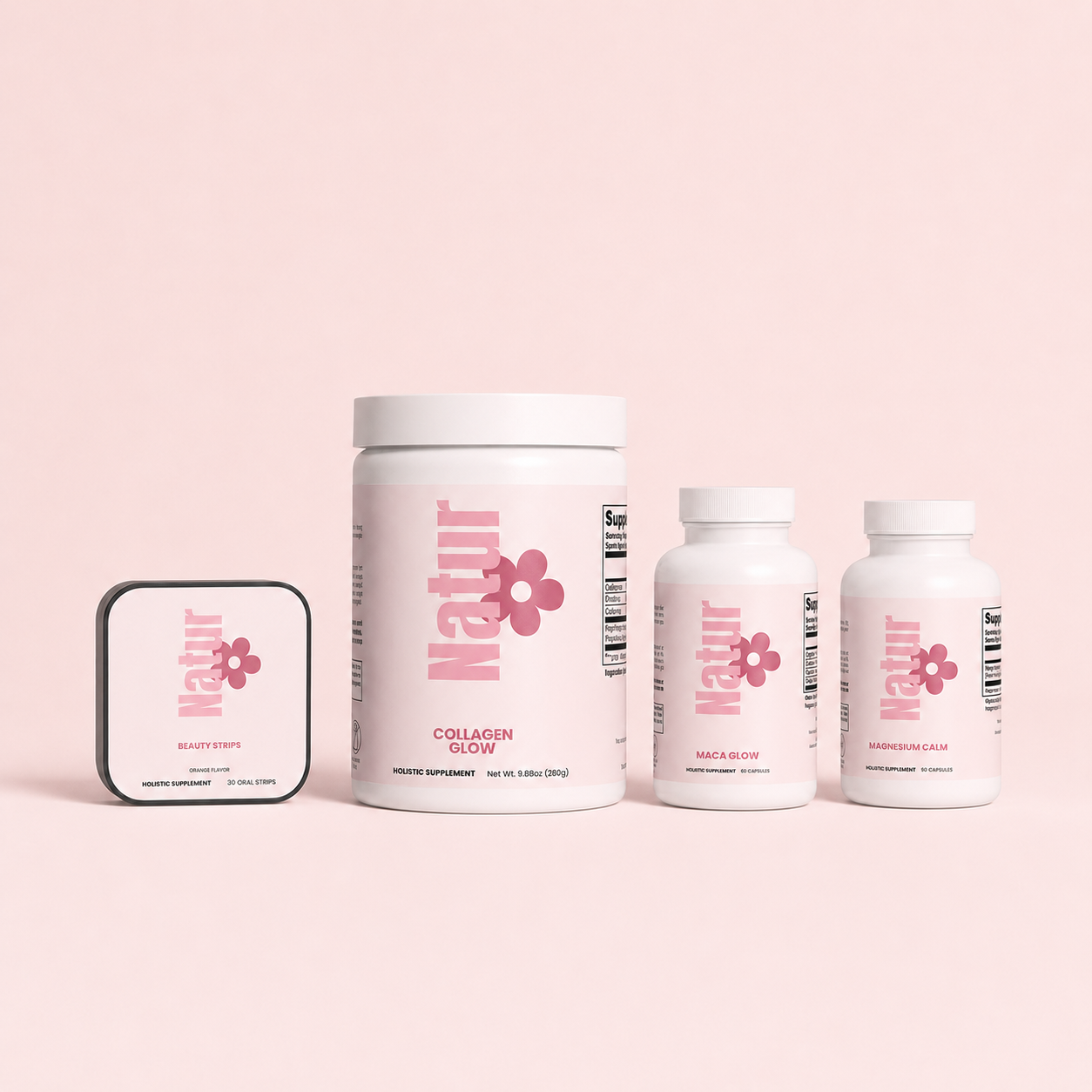
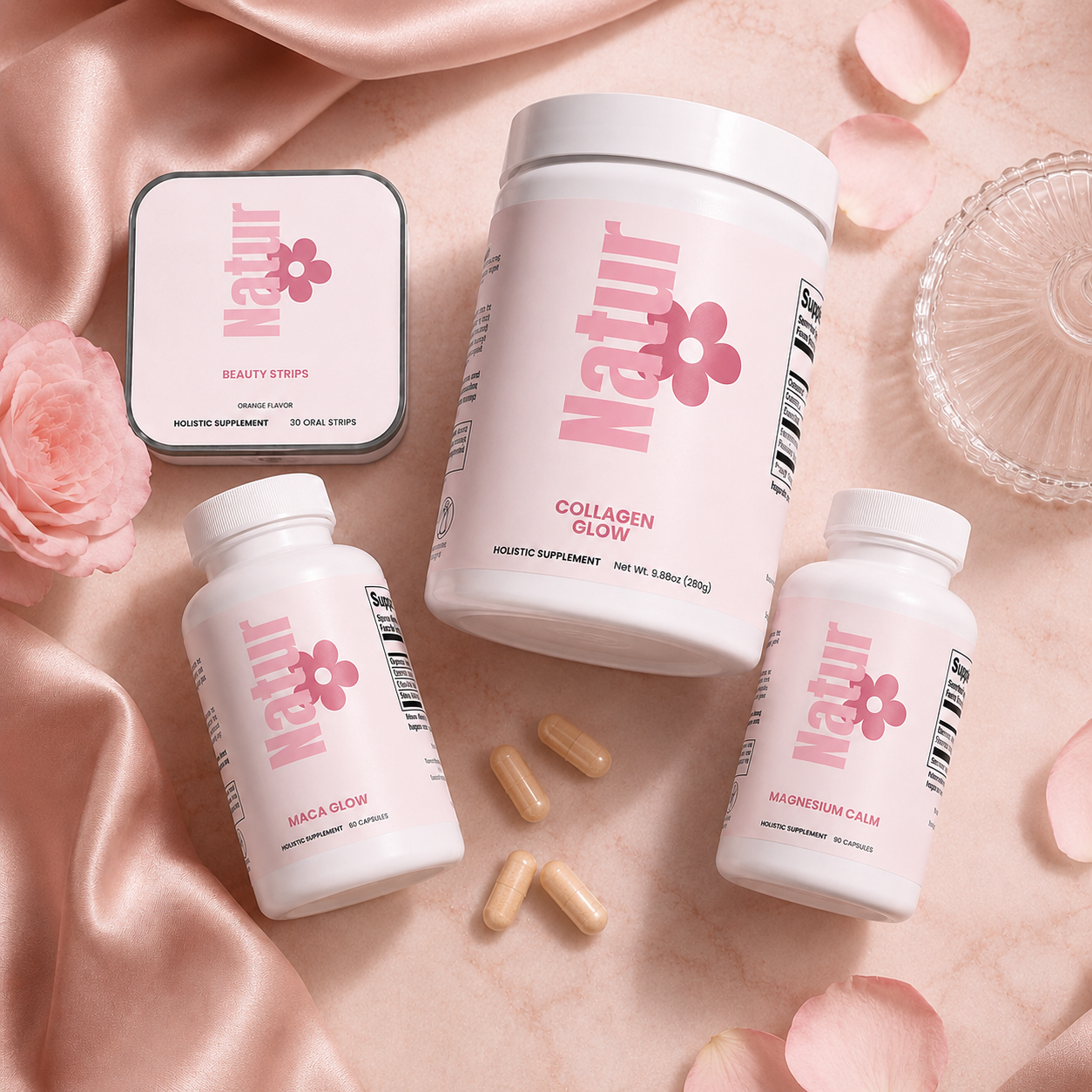
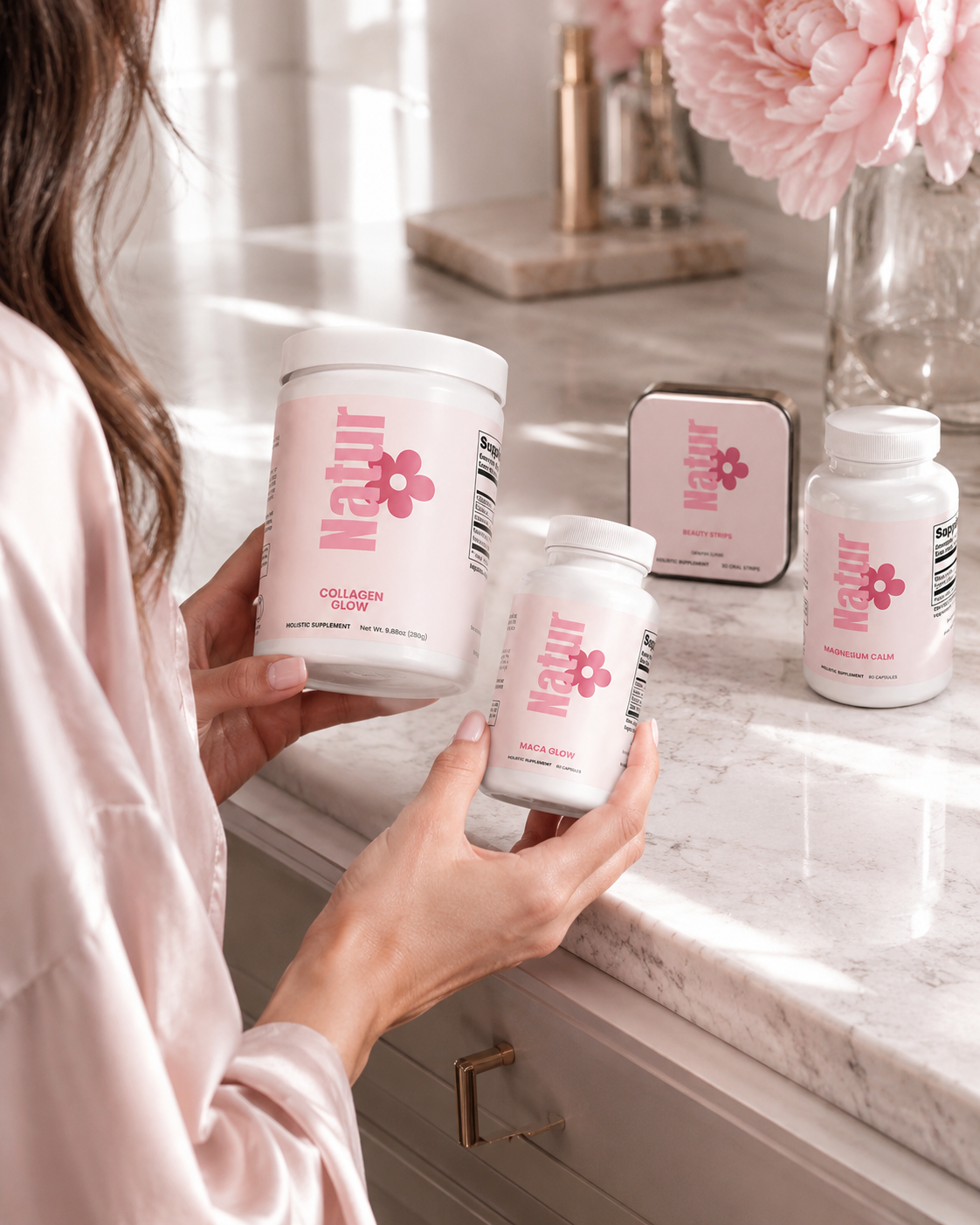
If you'd like a simple place to start, the Natur Glow Balance set pulls the supplements and skincare for this routine into one daily kit.
This article is for educational purposes only and is not medical advice. Always talk to a qualified healthcare professional before starting supplements or changing your health routine. These statements have not been evaluated by the Food and Drug Administration. Natur products are not intended to diagnose, treat, cure, or prevent any disease.