
Layering Serums, Face Creams, and Oils
Your guide to a well-ordered skincare routine
6 min read
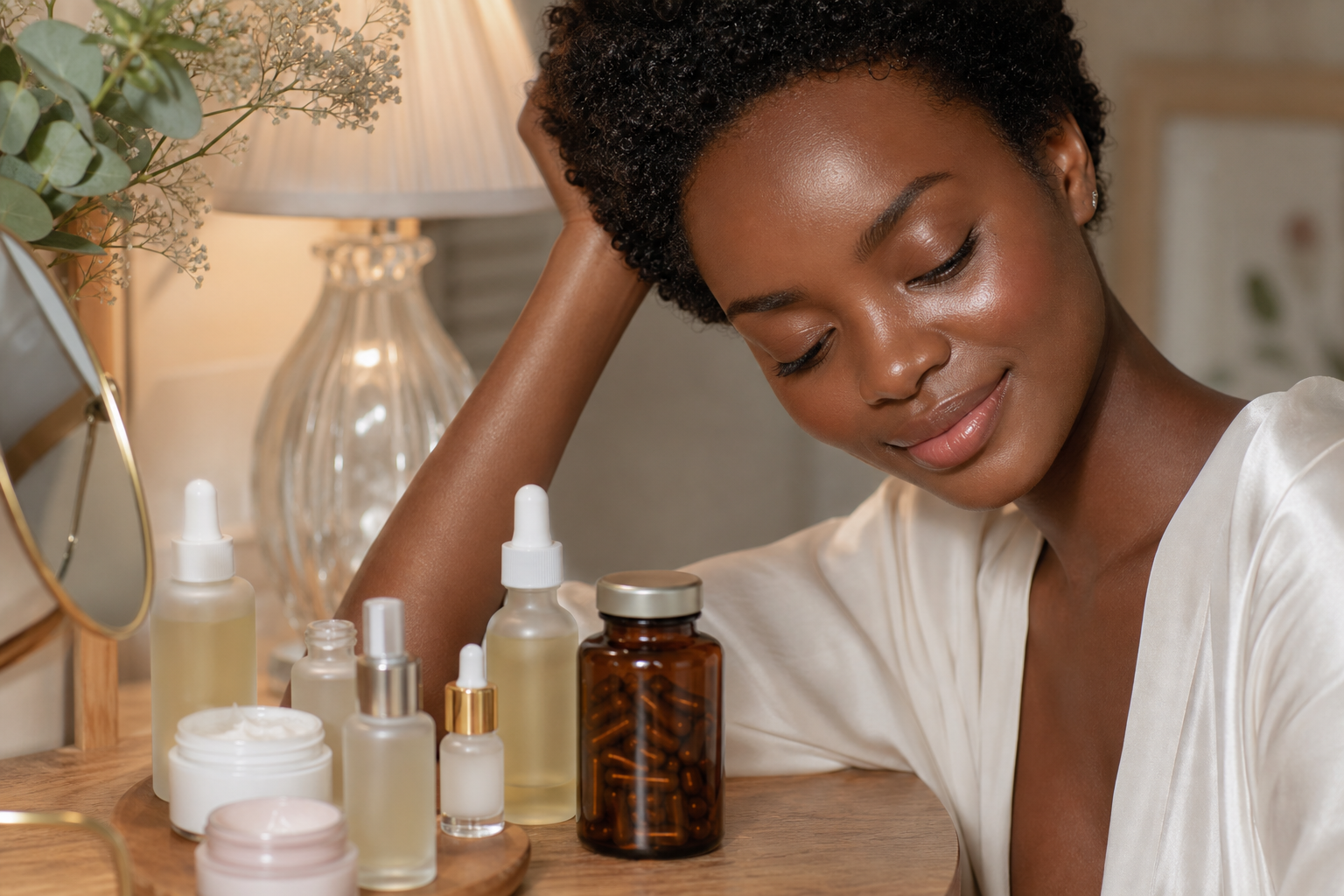
Ever stared at your growing collection of skincare bottles, wondering which one goes where? You're not alone. Figuring out the correct order for your serums, face creams, and oils can feel like solving a puzzle, but it doesn't have to be complicated. The good news is, there's a simple logic behind it all, and once you get it, your daily routine will feel a lot more straightforward and a lot more effective. We're breaking down the how-to of layering, from cleansing to your final, nourishing step, so you can help your skin truly soak up all the goodness you’re giving it.
Why Order Matters So Much
Think of your skin like a sponge – a very particular sponge. Certain ingredients need to get down deep to do their best work, while others form a protective layer on top. If you put things on in the wrong order, you might be blocking those hard-working ingredients from ever reaching their target. It’s a bit like trying to put your socks on over your shoes; it just doesn't quite work. The general rule of thumb is to apply products from thinnest to thickest consistency. This allows lighter, more active formulas to penetrate without being hindered by heavier creams or oils that create a barrier.
When you layer correctly, each product can deliver its intended benefits without fighting for absorption. This means your expensive serums won't just sit on the surface, and your rich creams can effectively seal everything in. It's all about creating an optimal environment for your skin to thrive and absorb useful ingredients.
Step 1: Cleanse and Prep
Before anything else, you need a clean canvas. A gentle, fragrance-free cleanser helps remove dirt, makeup, and any buildup from the day or night. Pat your skin gently dry with a clean towel – no harsh rubbing! Now, your skin is ready to drink up all the good stuff.
Some people like to follow cleansing with a toner, especially if it's one designed to hydrate or balance the skin's pH. If you use a toner, look for one that doesn't strip your skin (alcohol-free is a good choice). Just a few gentle taps with a cotton pad or a light mist can prepare your complexion for the next steps.
Step 2: The Mighty Serum
This is where the magic often happens. Serums are usually lighter, more concentrated formulas designed to deliver specific active ingredients deep into the skin. They often target particular concerns, like supporting the look of fine lines, or helping to even skin tone. Because they're so potent and often water-based, they need to go on before anything thicker.
For instance, a serum rich in peptides may help support skin elasticity, or a hyaluronic acid serum might help draw moisture into the skin. If you have several serums, consider what your skin needs most at that moment. Some people use different serums in the morning versus the evening. Just a few drops are usually enough – gently press or pat them onto your face and neck, and give them a moment to absorb.
Step 3: Face Cream – The Nourishing Embrace
After your serum has had a moment to sink in, it’s time for your face cream. This is your primary moisturizer, designed to provide hydration, reinforce your skin's moisture barrier, and lock in the benefits of your serum. Face creams are typically richer than serums, but not as dense as oils, making them the next logical step. Think of it like a comforting blanket for your skin.
Choosing the right face cream depends on your skin type. If your skin tends to be on the drier side, a richer cream may help it feel more comfortable. For oilier complexions, a lighter, gel-based cream might be preferred. Gently massage it into your face and neck, ensuring even coverage but without pulling or tugging at your skin.
Step 4: The Final Flourish – Face Oil
Face oils are the grand finale of your routine for one very important reason: they create an occlusive layer. This means they help seal in all the hydrating and active ingredients you've applied beforehand, preventing moisture loss. Because oils are designed to sit on top, they should always be the last step before any SPF in the morning. If you apply an oil before your moisturizer, it could make it difficult for your moisturizer to properly sink in.
Natur offers beautiful face oils formulated to support skin's glow, like a blend with various nourishing botanicals. A few drops warmed between your palms and gently pressed onto your face is usually all you need. If you're using a specific Glow Natur face oil, consider it your final nourishing touch to help skin feel soft and supple. Just remember, a little goes a long way with face oils; too much can leave your skin feeling excessively shiny rather than just glowing.
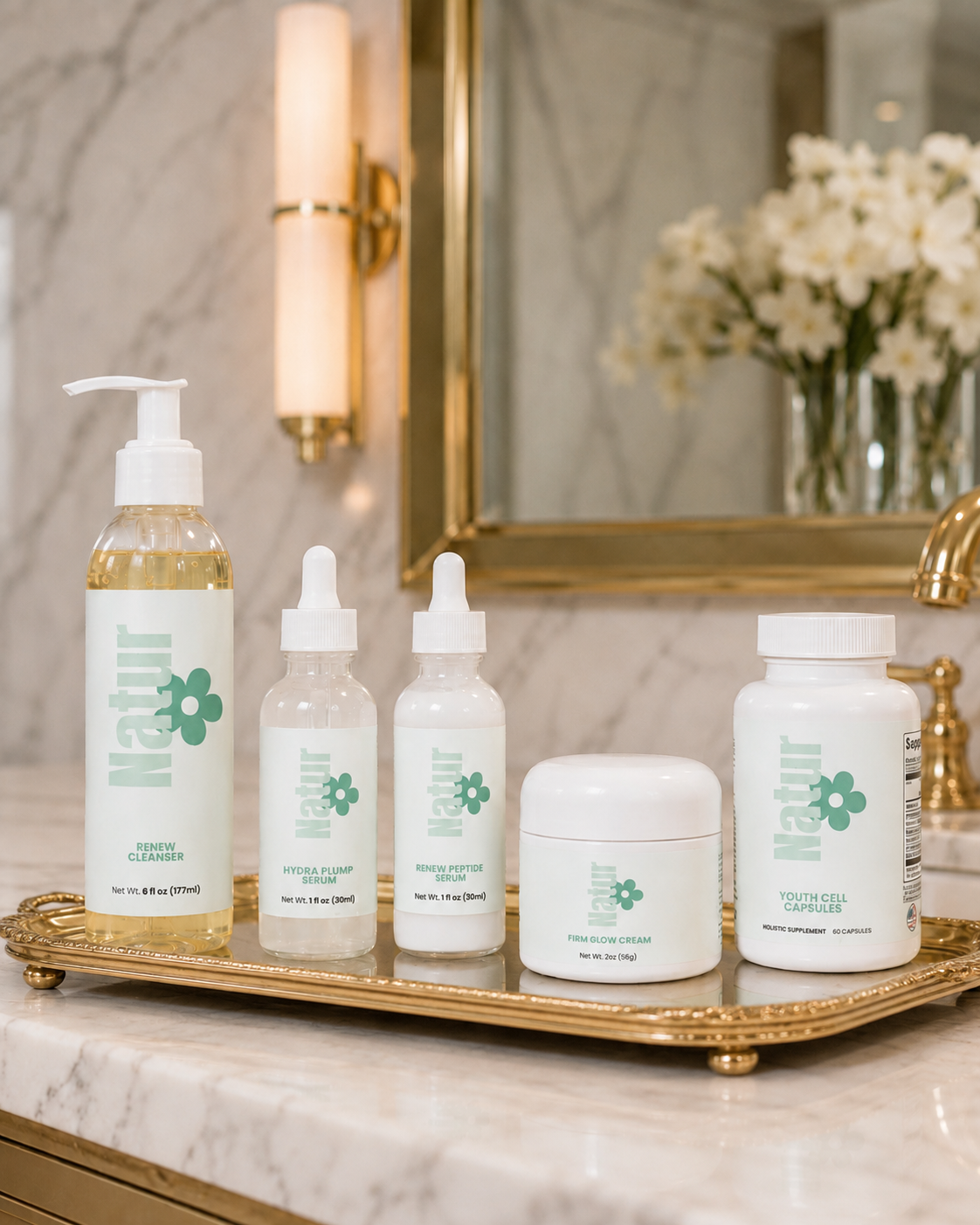
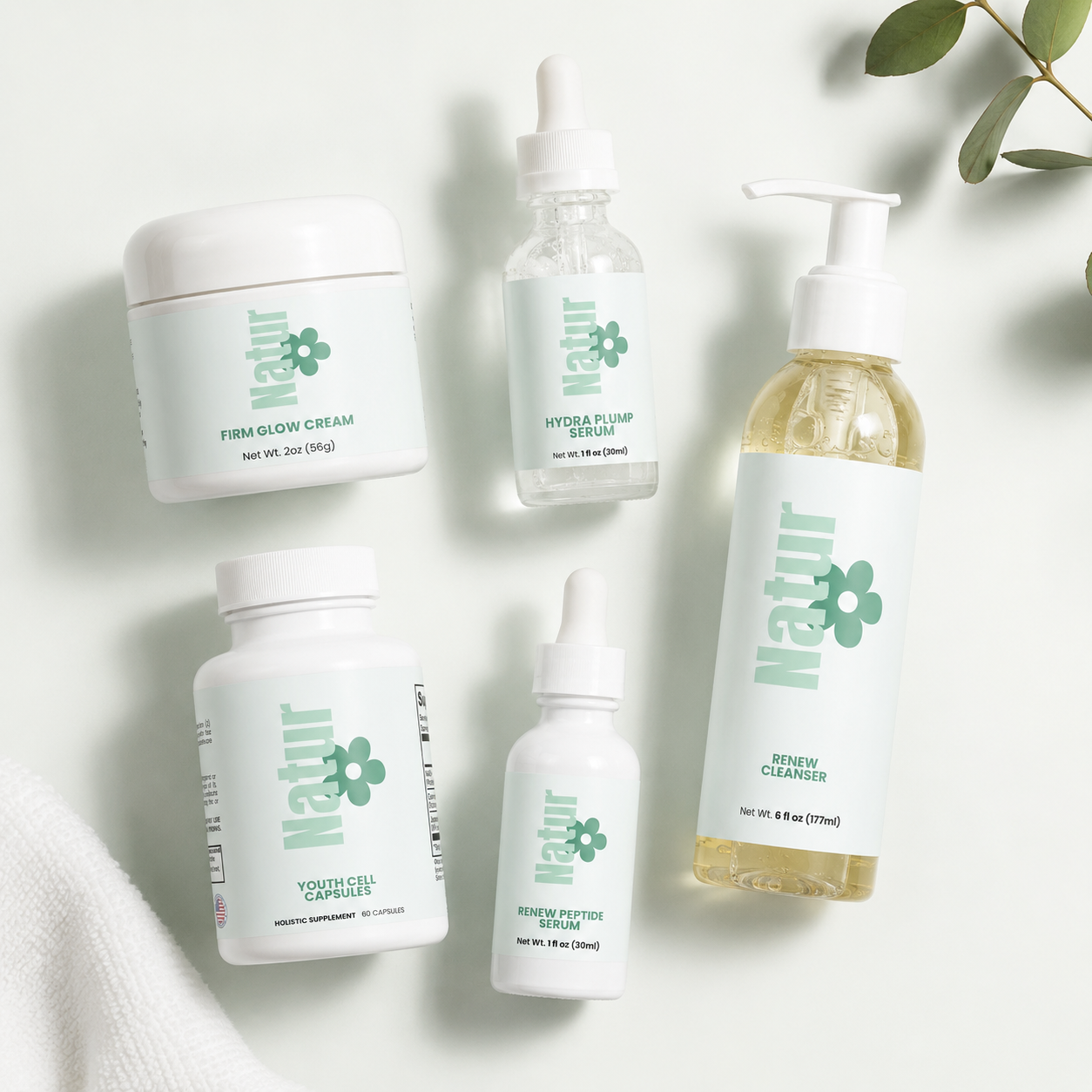
For even deeper nourishment, the **Natur Skin Glow set** often features a serum and an oil specifically designed to work together, so you can maximize their combined benefits for a truly radiant appearance. By using them in this proper order, you encourage each product to do its best work.
Morning vs. Evening Routines
While the layering principles remain the same, your product choices might shift depending on the time of day. In the morning, you'll want to finish your routine with a broad-spectrum mineral sunscreen. After your face oil (if using), apply your SPF generously. The evening is a great time for ingredients that work while you sleep, such as retinols or richer, more restorative creams and oils.
Consistency is key, whether it's morning or night. A simple, well-ordered routine that you can stick with every day will yield better results than a complicated, 10-step process you rarely complete.
Frequently asked questions
What is the correct order for skincare products?
General rule: cleanse, tone (if using), apply serum, apply eye cream (if using), apply face cream, and finally, apply face oil. In the morning, sunscreen is the very last step.
Should face oil go before or after moisturizer?
Face oil should generally go after your moisturizer. Oils create a protective layer that helps to seal in the hydration from your moisturizer and serums. Applying oil before a water-based moisturizer could prevent the moisturizer from absorbing properly.
Can you use serum and face cream together?
Absolutely! Serums and face creams are designed to work together. Apply your serum first, allowing it to absorb, and then follow with your face cream to provide hydration and lock in the serum's benefits.
What's the difference between serum and face oil?
Serums are typically lightweight, concentrated formulas with active ingredients designed to penetrate deeply and target specific concerns. Face oils are generally richer, designed to nourish the skin, reinforce the moisture barrier, and create a protective layer to prevent moisture loss.
How long should I wait between layers of skincare?
You don't need to wait for each layer to completely dry, but give each product a moment to absorb – usually 30 seconds to a minute is sufficient. This helps prevent pilling and allows each product to perform optimally.
If you'd like a simple place to start, the Natur Skin Glow set pulls the supplements and skincare for this routine into one daily kit.

This article is for educational purposes only and is not medical advice. Always talk to a qualified healthcare professional before starting supplements or changing your health routine. These statements have not been evaluated by the Food and Drug Administration. Natur products are not intended to diagnose, treat, cure, or prevent any disease.