
Layering Essentials: Serums, Creams, and Oils
Cracking the code of skincare application for your best glow.
6 min read
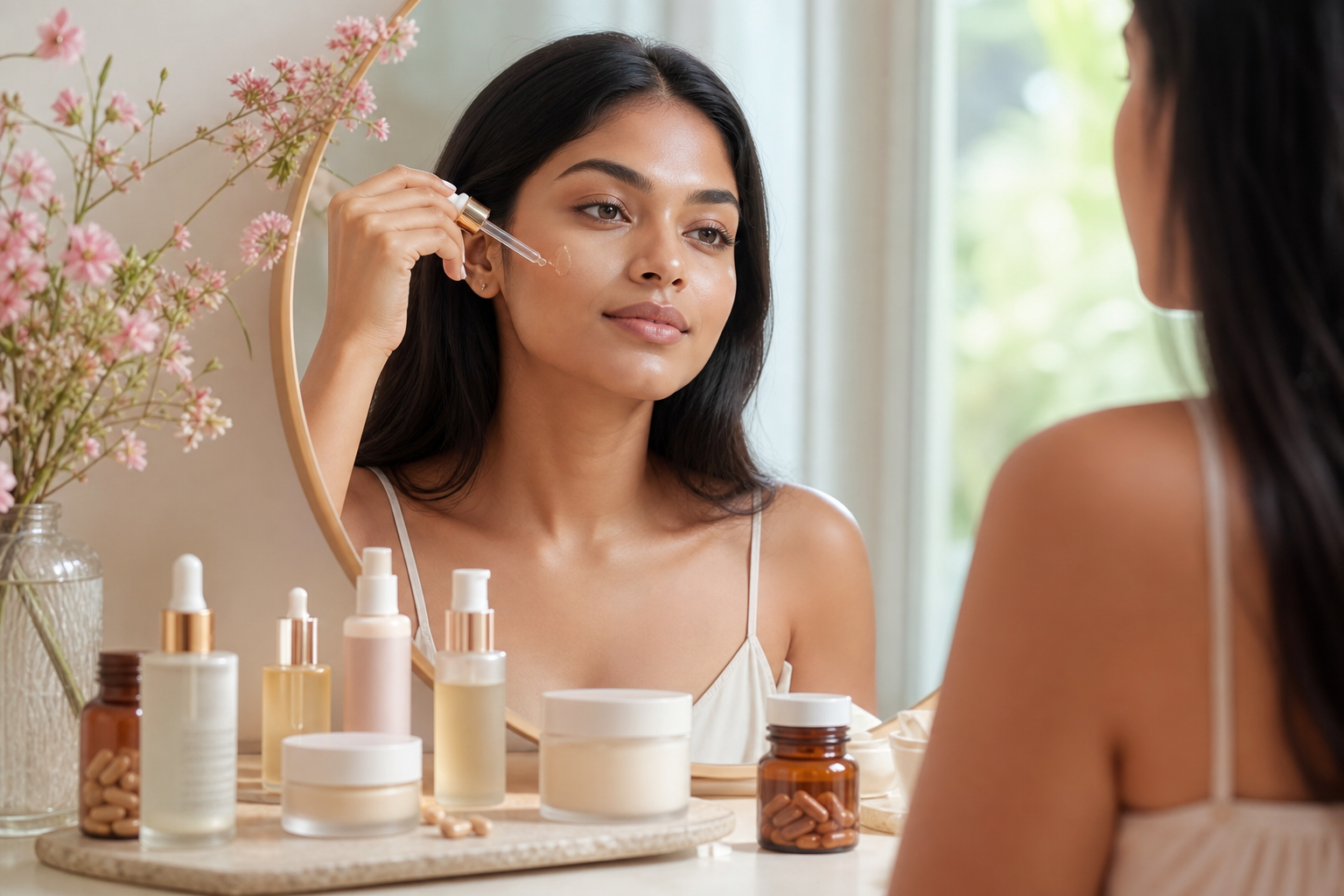
So, you've got your hands on some beautiful clean beauty products – maybe a fantastic serum, a luscious face cream, and a nourishing oil. You're ready to give your skin some love, but then you pause. Which one goes first? Does it even matter? Oh, it absolutely matters! The order you apply your skincare products actually makes a big difference in how well they work. Think of it like cooking a meal; you wouldn't add the spices after the dish is already done, right? Each step prepares your skin for the next, locking in goodness and creating that radiant, healthy glow we're all after. Let's break down the mystery of layering, piece by piece.
The Golden Rule of Layering: Thinnest to Thickest
This is the North Star of skincare application. Generally speaking, you want to apply products from the thinnest consistency to the thickest. Why? Thinner formulas, like serums, are designed to penetrate deeply into your skin to deliver their active ingredients. If you put a thick cream on first, it could create a barrier, preventing those lighter, active ingredients from really getting where they need to go. It’s all about creating a clear path for each product to do its best work.
Think of your skin as a sponge. If you put a thick, impermeable layer on top, it won't absorb much else. But if you start with something light and watery, then build up, everything gets a chance to soak in. This rule applies whether you have a simple two-step routine or a more involved multi-product regimen.
Step 1: The Clean Slate – Cleansing & Toning
Before anything else, you need a clean canvas. Start with a gentle, fragrance-free cleanser to wash away dirt, oil, and makeup. This not only makes your skin feel fresh, but it also ensures your subsequent products aren't trying to fight their way through grime.
After cleansing, a quick swipe of a hydrating toner (if you use one) can help rebalance your skin's pH and prep it to better absorb what comes next. Don't skip this step, especially if you're serious about getting the most out of your serums.
Step 2: Serums – Your Skin’s Power Boosters
Once your skin is clean and toned, it’s time for serums. These are concentrated formulas packed with active ingredients designed to target specific concerns like hydration, fine lines, or brightness. Because they're typically lightweight and water-based, they're meant to be absorbed quickly and deeply.
For example, a peptide serum like Natur's Radiance Renewal Serum might be designed to support the look of firmness and reduce the appearance of fine lines. You want this hero product to get straight to work without any interference. Apply a few drops to your face and neck, gently patting it in until absorbed. Give it a minute or two before moving on.
Step 3: Face Creams – The Hydrating Hero
After your serum has had a moment to sink in, it’s time for your face cream. This is your primary moisturizer, and its job is to hydrate your skin and help lock in the goodness from your serum. Face creams create a protective barrier, preventing moisture loss and keeping your skin feeling soft and supple. They are generally thicker than serums but lighter than most facial oils.
A well-formulated face cream, perhaps a clean beauty option from Glow Natur, will nourish your skin, providing comfort and creating a smooth base for the next step, or even for makeup. Gently massage it into your face and neck, using upward strokes. Make sure it's fully absorbed before you proceed.
Step 4: Facial Oils – The Grand Finale (for many)
Here's where it can get a little tricky for some: face oils. Many people wonder if oil goes before or after moisturizer. The general rule is to apply face oil *after* your face cream. Oils tend to be occlusive, meaning they create a protective layer on top of your skin. If you put oil on before your cream, the cream might have trouble penetrating through the oil layer to deliver its hydrating benefits. Oil is designed to seal *in* all the previous steps.
A beautiful, clean facial oil, like a rosehip or jojoba oil, or perhaps a specially blended one from Natur, can provide an extra layer of nourishment and help seal in moisture, leaving your skin with a lovely, dewy glow. It's especially beneficial for drier skin types or during colder months. Just a few drops warmed between your palms and gently pressed onto your face is usually enough. For a complete routine focused on an inside-and-out glow, Natur's Skin Glow set often includes supplements and targeted skincare products that work together in harmony.
Sunscreen: The Non-Negotiable Final Touch (Daytime Only)
If it’s daytime, your skincare routine isn't truly complete without sunscreen. This is always the very last step in your morning routine, regardless of how many oils or creams you’ve applied. Mineral sunscreens sit on top of your skin to reflect UV rays, so you want to ensure they aren't diluted or disrupted by other products you're layering on top.
Putting It All Together for Your Best Glow
Mastering the art of layering can feel like a secret handshake in the world of skincare, but once you get the hang of it, it becomes second nature. Remember: cleanse, tone, serum, cream, oil (if using), and sunscreen (if daytime). Give each product a moment to absorb, and listen to your skin. Sometimes less is more, and on other days, a multi-layered approach feels just right.
The beauty of clean skincare is in its simplicity and effectiveness. By understanding *why* you apply products in a certain order, you empower yourself to create a routine that truly supports your skin’s health and natural radiance. It's not about complex steps, but thoughtful ones. Skincare usually works best when it feels simple enough to repeat.
Frequently asked questions
What is the correct order to apply skincare products?
Start with cleanser, then toner (if using), followed by serum, then face cream, and finally facial oil. Always finish with mineral sunscreen in the morning.
Should I apply serum before or after moisturizer?
Always apply serum before moisturizer. Serums are typically lighter and contain concentrated active ingredients that need to penetrate deeply into the skin. Moisturizer comes after to lock in hydration and form a protective barrier.
When do I use face oil in my skincare routine?
Use face oil as the very last step in your moisturizing routine, after your face cream. Oils help seal in all the previous layers of hydration and nourishment.
Can I use face oil and moisturizer together?
Yes, you absolutely can and often should! Use your face cream first for hydration, then follow with a facial oil to provide an extra layer of nourishment and seal everything in. Some people also like to mix a drop or two of oil into their moisturizer, but applying oil after cream is often more effective for layering.
Why is it important to layer products correctly?
Layering products correctly ensures that each product can deliver its intended benefits effectively. Applying from thinnest to thickest consistency allows active ingredients to absorb deeply, while heavier products create a protective seal without blocking penetration. This maximizes the effectiveness of your entire skincare routine.
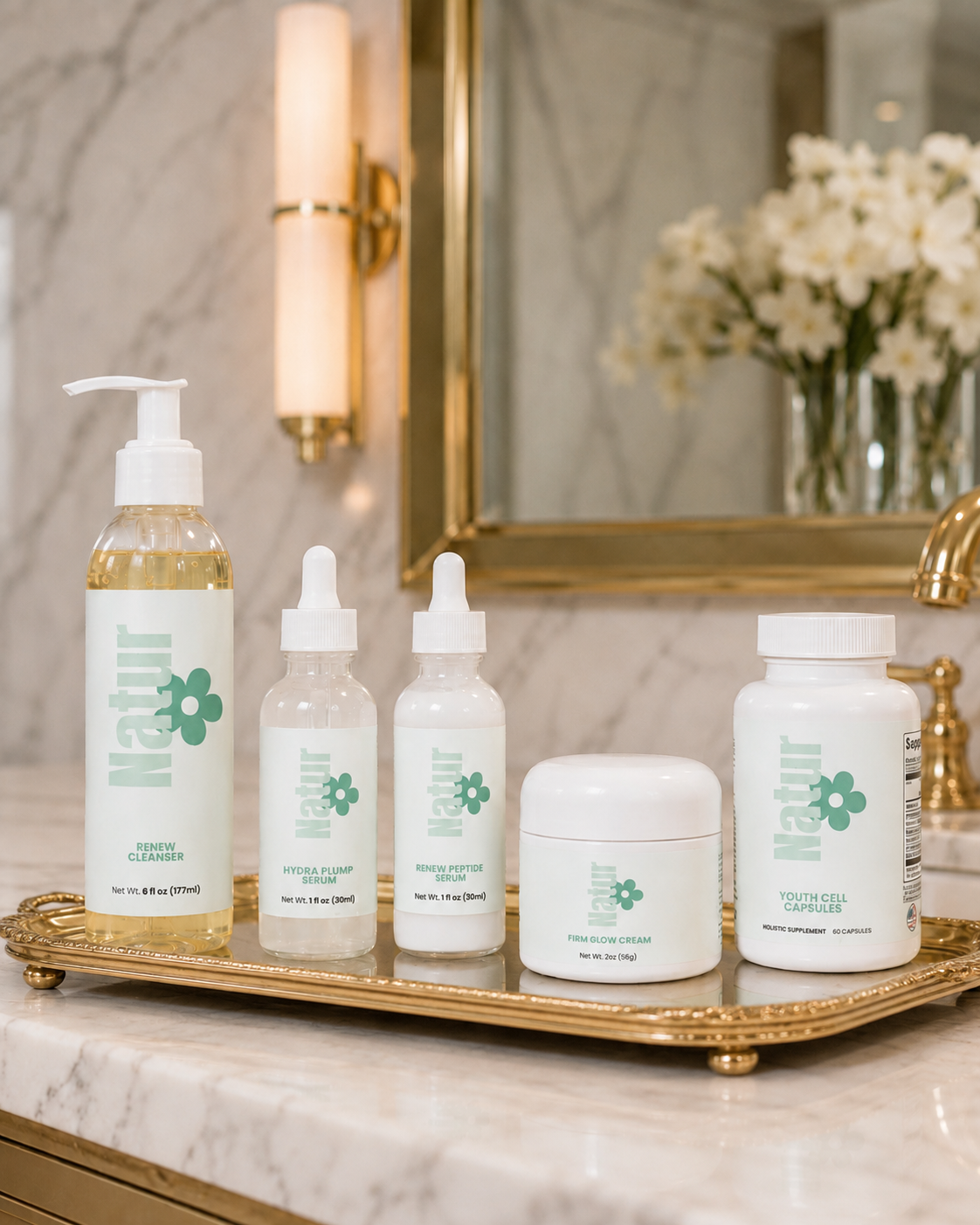
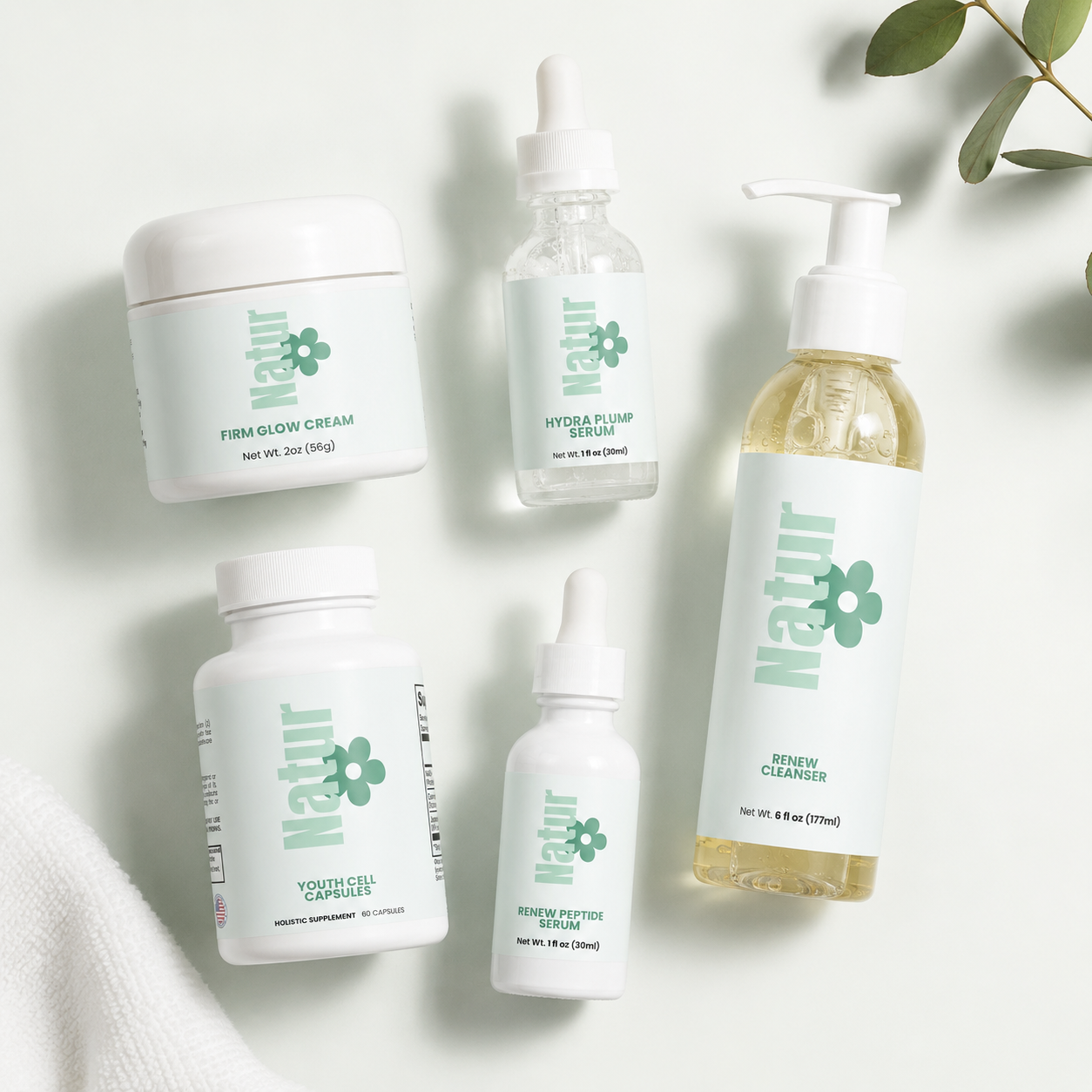
If you'd like a simple place to start, the Natur Skin Glow set pulls the supplements and skincare for this routine into one daily kit.

This article is for educational purposes only and is not medical advice. Always talk to a qualified healthcare professional before starting supplements or changing your health routine. These statements have not been evaluated by the Food and Drug Administration. Natur products are not intended to diagnose, treat, cure, or prevent any disease.