
Hydration vs. Moisture: What Your Skin Really Needs
Unpacking these skincare terms for a truly glowing complexion.
6 min read
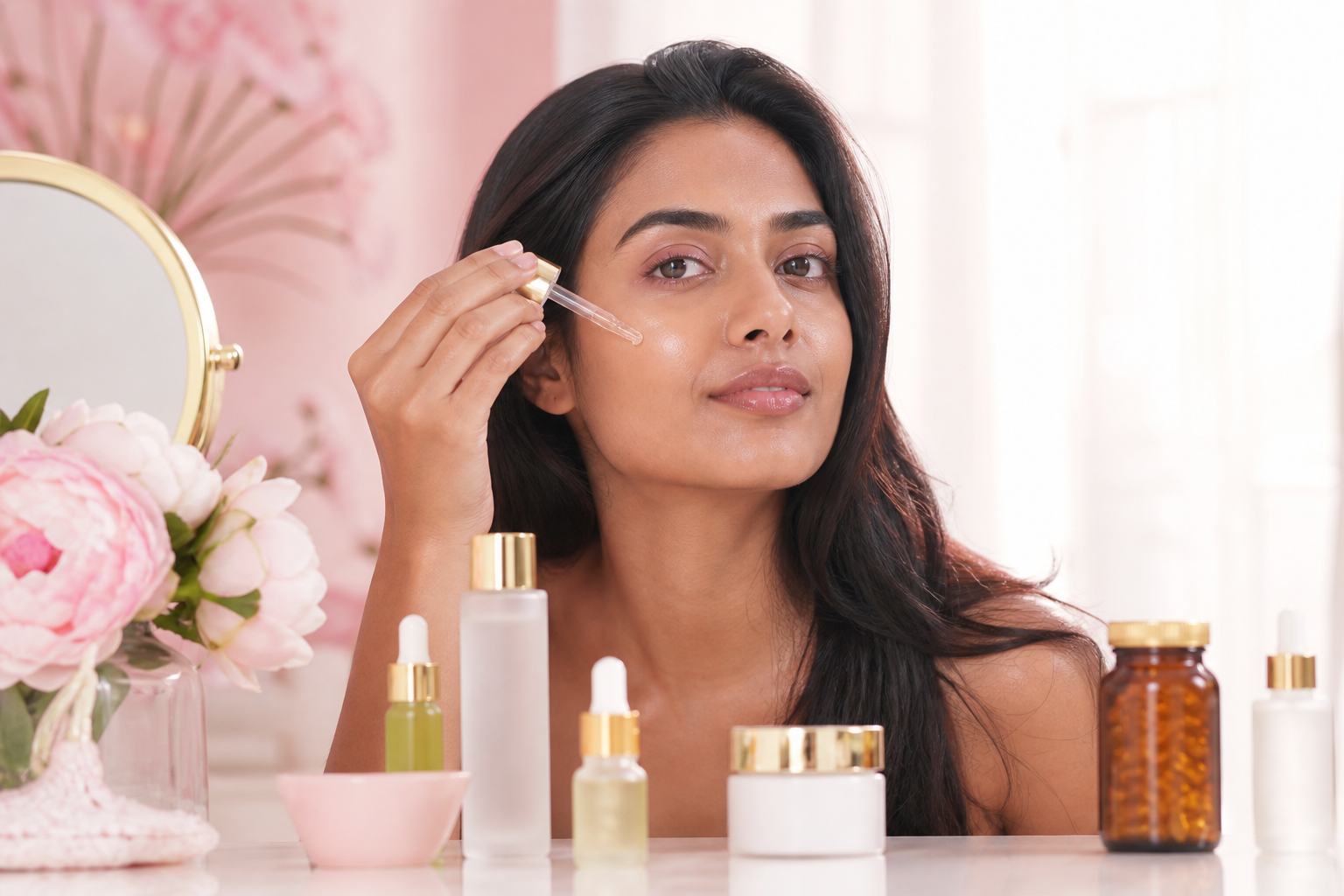
Ever heard the words 'hydration' and 'moisture' thrown around in skincare and wondered if they’re just fancy ways to say the same thing? You're not alone! While often used interchangeably, these two concepts are actually distinct and play unique roles in your skin's health and appearance. Understanding the difference is key to getting that radiant, healthy glow from the inside out. Think of it like this: your body needs water to drink (hydration) and also a good lotion to keep your hands from cracking in dry weather (moisture). Your skin works similarly, and knowing which one to reach for can make a huge difference in how your skin looks and feels.
Hydration: Drawing Water Into Your Skin
Let's start with hydration. When we talk about hydrating your skin, we're really talking about adding water to it. Think of a plump grape versus a raisin. A plump grape is well-hydrated, full of water, which makes its skin look smooth and firm. A raisin, on the other hand, is dehydrated and shriveled. Our skin acts much the same way.
Dehydrated skin lacks water. It might feel tight, look dull, have more noticeable fine lines, and sometimes even feel itchy. You might notice it looks a little 'crepey' or that your makeup sinks into lines more easily. This isn't just a dry skin issue; oily skin types can be dehydrated too! You might even experience more breakouts if your skin tries to overcompensate for the lack of water by producing more oil.
Ingredients that help hydrate your skin are called humectants. These are like little magnets that draw water from the air or deeper layers of your skin and hold it in the outer layers. Common humectants in clean beauty include hyaluronic acid, glycerin, lactic acid, and aloe vera. These are fantastic for helping skin feel plump and refreshed.
Moisture: Sealing That Goodness In
Now, onto moisture. If hydration is about adding water, moisture is about keeping it there. Moisturizing your skin means creating a barrier on its surface to prevent that precious water from evaporating away. This is crucial for supporting your skin's natural barrier, which is its first line of defense against environmental stressors.
Dry skin, unlike dehydrated skin, lacks oil. It often feels rough, flaky, and can look red or irritated. While dehydrated skin needs water, dry skin needs lipids (oils) to help restore its protective barrier. Without enough oil, your skin's barrier can become compromised, leading to increased water loss and sensitivity.
Moisturizing ingredients come in two main types: emollients and occlusives. Emollients help to smooth and soften the skin, filling in the tiny cracks between skin cells. Think of oils like jojoba oil, rosehip oil, or shea butter. Occlusives form a physical barrier on the skin's surface to reduce water loss. While some traditional occlusives can feel heavy, clean beauty offers lovely plant-based alternatives like certain waxes or rich plant butters that are less likely to feel suffocating but still very effective.
The Difference in Your Routine
So, how do you know what your skin needs? If your skin feels tight and looks dull with more visible fine lines, it might be dehydrated, needing more humectants. If it's flaky, rough, and irritated, it's likely dry, and needs more emollients and occlusives.
Here's the trick: most skin types benefit from both! You want to first hydrate your skin with water-attracting ingredients, and then seal that hydration in with moisturizing ingredients. This layering approach helps your skin stay balanced and resilient.
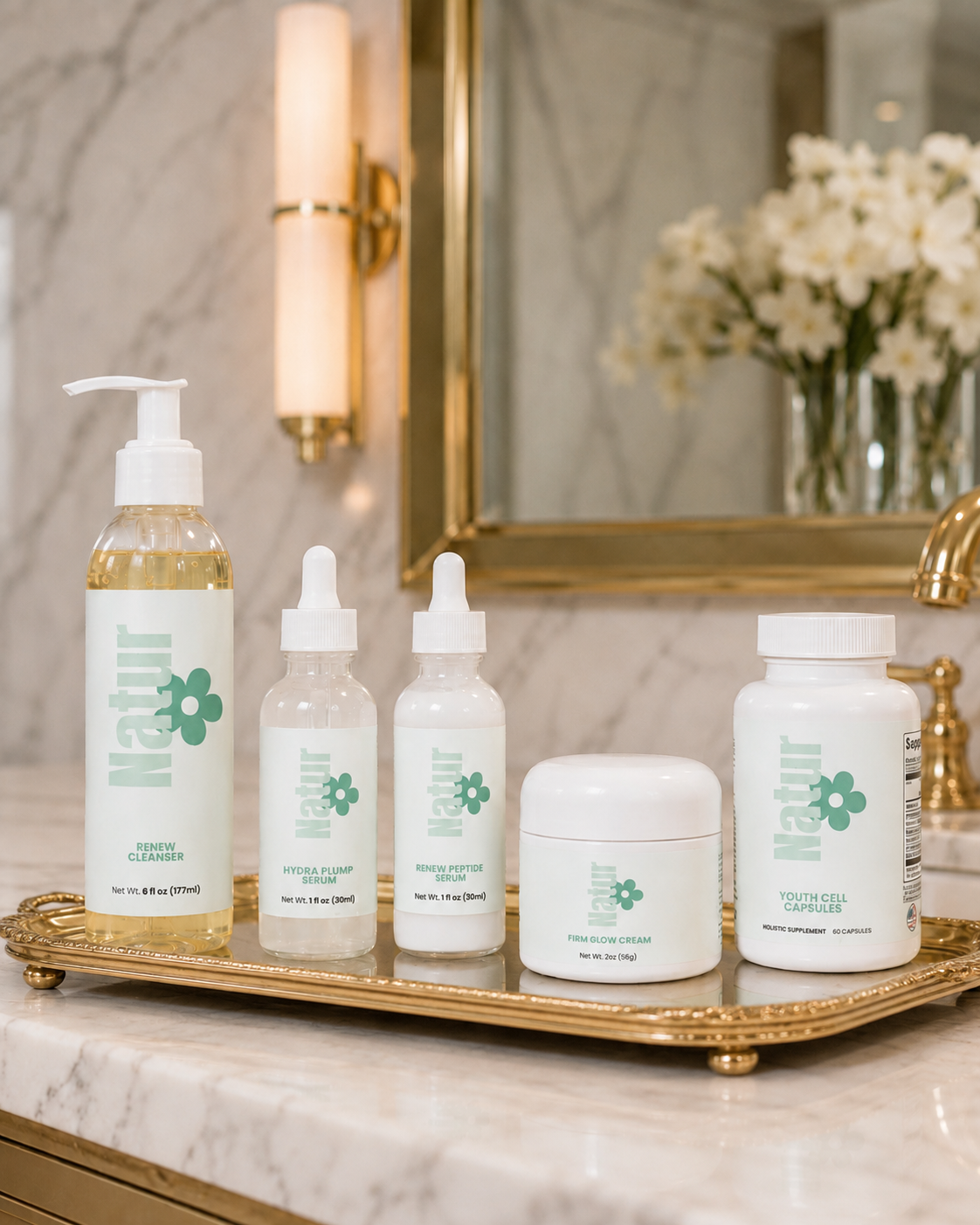
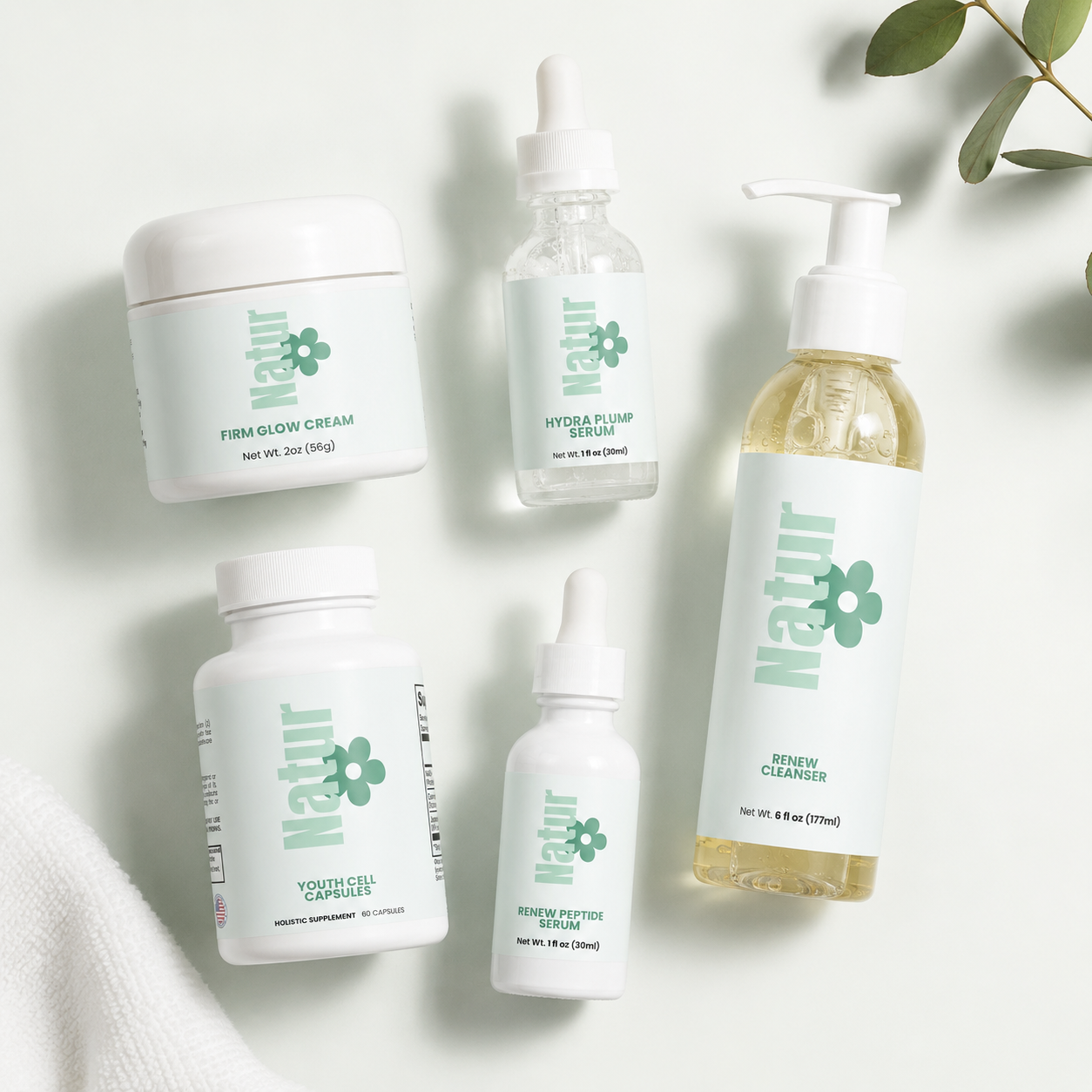
For example, you might apply a hydrating serum with hyaluronic acid, followed by a facial oil or cream rich in nourishing plant oils. This 'water-then-oil' layering strategy is often very effective. The Natur Skin Glow set, for instance, includes a hydrating serum designed to draw water into the skin, alongside a nourishing face cream and oil formulated with botanical emollients to help lock in that moisture, supporting a supple, radiant complexion.
Clean Beauty for a Balanced Glow
When choosing products, especially for hydration and moisture, clean beauty truly shines. Opting for formulas free from harsh chemicals and synthetic fragrances can help support your skin's natural barrier without introducing potential irritants. Look for products that highlight plant-derived humectants, emollients, and nourishing botanicals.
Many people prefer a simple, yet effective routine. Start with a gentle, fragrance-free cleanser. Then, apply a hydrating serum to clean, slightly damp skin. Follow this with a nourishing face cream or a few drops of a botanical face oil, gently pressed onto your skin. Don't forget a mineral sunscreen during the day to protect your skin from environmental damage.
Remember, what works for one person might not work for another. Listening to your skin is always the best approach. Pay attention to how it feels after you apply products, and adjust your routine as needed. For an added boost, consider a collagen peptide supplement; many people find these can help support skin elasticity and overall hydration from within.
The Power of Inside-Out Care
Achieving healthy, glowing skin isn't just about what you put on your face. It's also about supporting your body from the inside out. Staying well-hydrated by drinking plenty of water throughout the day is fundamental. A balanced diet rich in antioxidants, healthy fats, and essential nutrients also plays a significant role in your skin's vitality. Consider incorporating supplements like Omega-3s or certain vitamins, which may help support overall skin health.
Nourishing Your Skin, Your Way
Understanding the difference between hydration and moisture can feel like cracking a secret code, but once you get it, your skincare routine becomes much clearer. It’s not about buying more products, but about choosing the right ones for what your skin is asking for at any given moment. Sometimes it needs a drink of water, sometimes it needs a cozy blanket, and often, it needs both. Learning to read your skin’s signals is one of the most powerful steps you can take towards a lasting, natural glow.
Frequently asked questions
What is the difference between hydration and moisture for skin?
Hydration refers to the water content in your skin, making it plump and supple. Dehydrated skin lacks water. Moisture refers to the oil content that creates a barrier on your skin to prevent water loss. Dry skin lacks oil.
How can I tell if my skin is dry or dehydrated?
Dehydrated skin may look dull, feel tight, show more visible fine lines, and sometimes feel itchy. It can affect any skin type, even oily skin. Dry skin typically feels rough, flaky, and may look red or irritated due to a lack of natural oils.
What ingredients are good for skin hydration?
For skin hydration, look for humectant ingredients like hyaluronic acid, glycerin, lactic acid, and aloe vera. These ingredients are designed to draw water into the skin.
What ingredients are good for skin moisture?
For skin moisture, look for emollients and occlusives. Examples include plant oils like jojoba oil, rosehip oil, argan oil, shea butter, and ceramides. These help to soften skin and create a barrier to reduce water loss.
Can I have oily yet dehydrated skin?
Yes, absolutely! Oily skin can still be dehydrated. If your oily skin feels tight and produces excess oil, it might be dehydrated, causing it to overcompensate by producing more sebum. In this case, you'd want to hydrate with humectants without adding heavy oils.
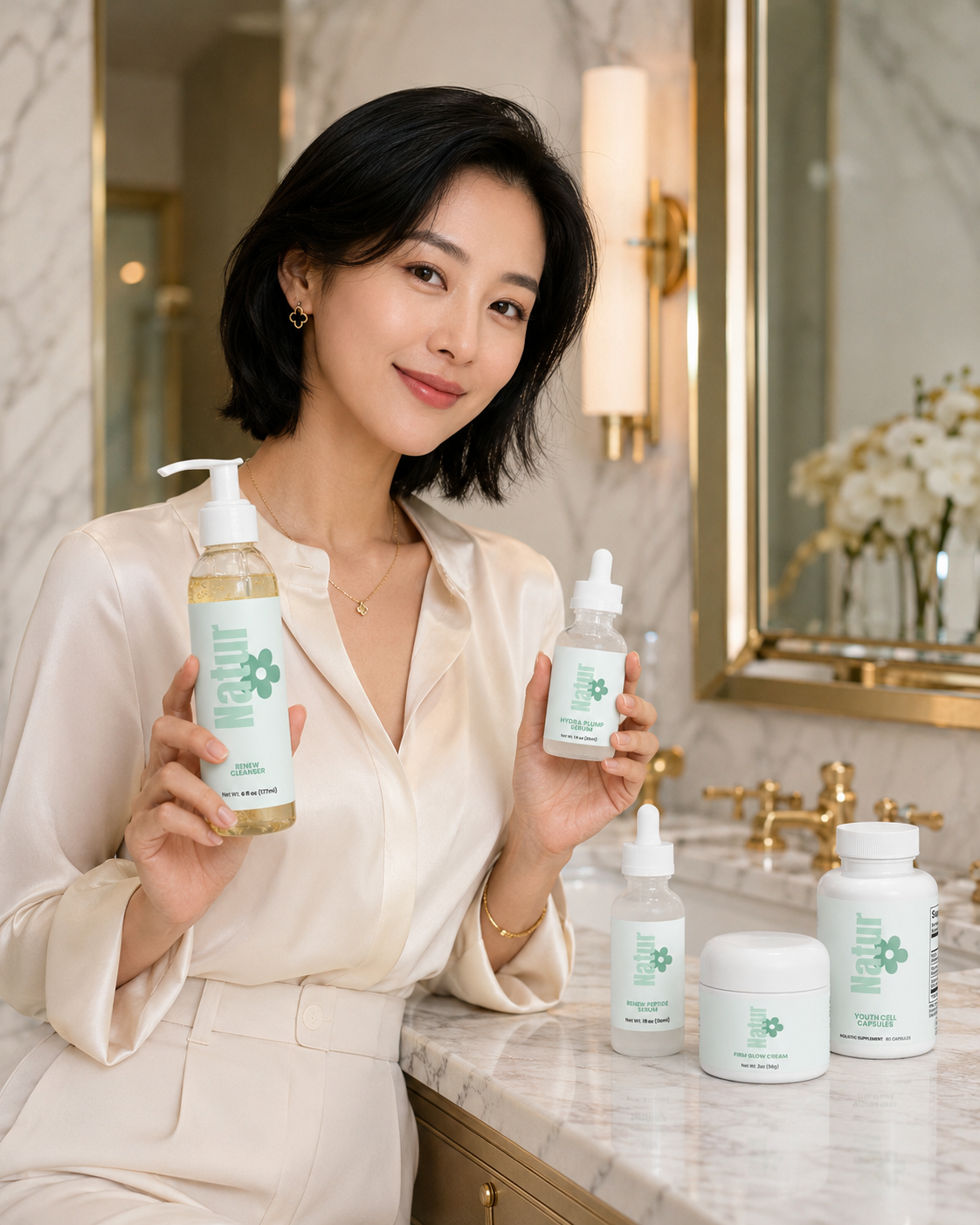
If you'd like a simple place to start, the Natur Skin Glow set pulls the supplements and skincare for this routine into one daily kit.
This article is for educational purposes only and is not medical advice. Always talk to a qualified healthcare professional before starting supplements or changing your health routine. These statements have not been evaluated by the Food and Drug Administration. Natur products are not intended to diagnose, treat, cure, or prevent any disease.