
Hydration vs. Moisture: Decoding Your Skin's Thirst
Are you giving your skin what it truly needs? Let's clear up the confusion between hydration and moisture for a healthy glow.
7 min read
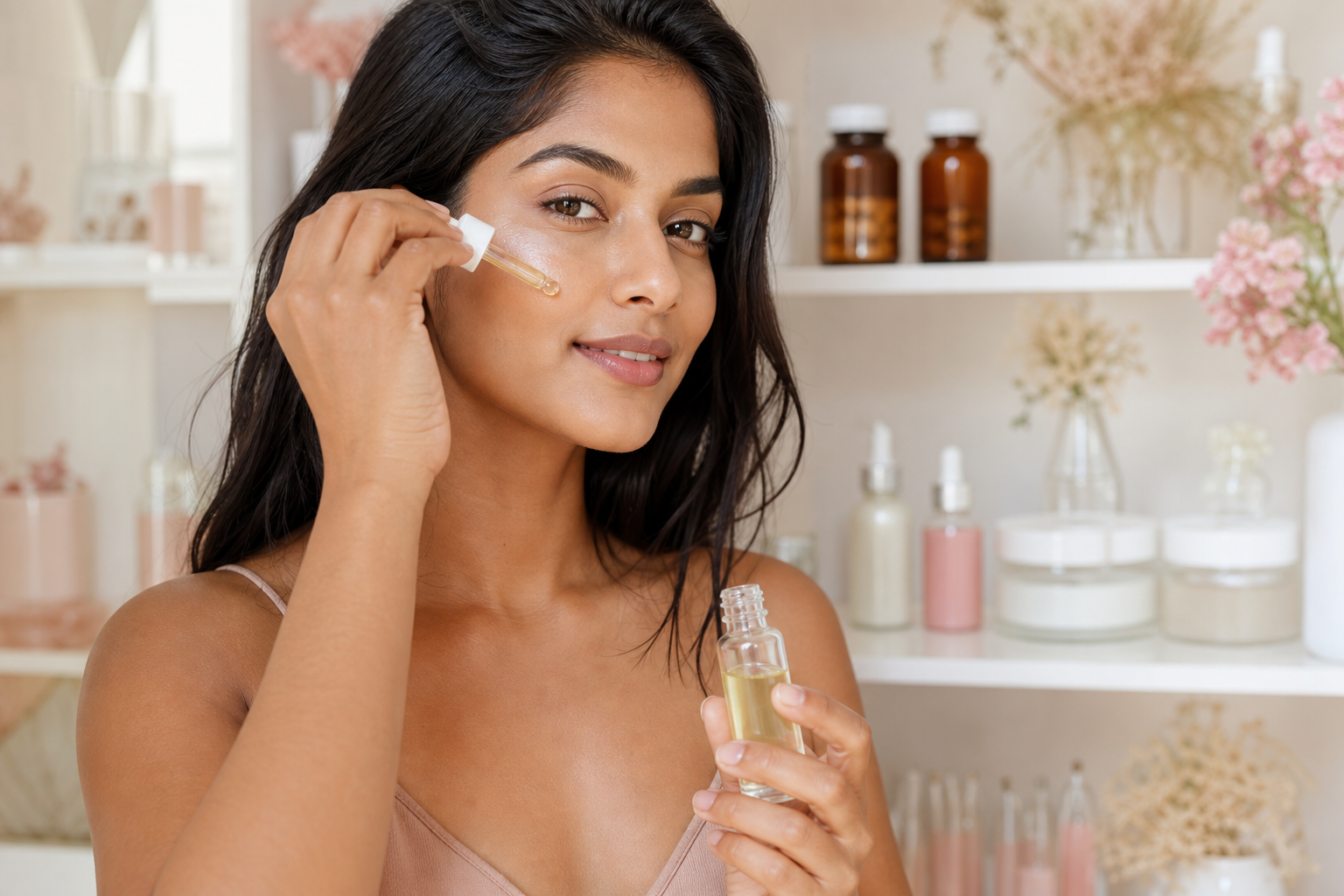
Let's be real: the world of skincare can feel like a foreign language sometimes, right? You're trying to do your best for your skin, slathering on serums and creams, but sometimes it just doesn't quite hit the mark. One of the biggest culprits behind that 'something's still off' feeling? A common misunderstanding about two very important words: hydration and moisture.
It's not just semantics; knowing the difference is like having a secret decoder ring for your skin. Get it right, and you're on your way to that dewy, supple, happy skin we all dream about. Get it wrong, and you might be unintentionally short-changing your skin's true needs.
Think of it this way: your skin is like a house. Hydration is like making sure the house has plenty of water in its pipes – essential for everything to function smoothly. Moisture is like making sure the roof and walls are sealed, keeping that water inside and protecting everything from the outside elements. Both are crucial, but they do different jobs.
Hydration: The Water Magnet for Plump, Happy Skin
First up: hydration. When we talk about hydration in skincare, we're talking about increasing the water content in your skin cells. Think of your skin as a sponge. When it's hydrated, it's plump, soft, and bounces back nicely. When it's dehydrated, it feels tight, can look dull, and might even emphasize fine lines because the skin cells are shriveled, not plumped up with water.
Dehydrated skin is actually a skin condition, not a skin type. Anyone can experience dehydration, no matter if your skin is naturally oily, dry, or combination. You might notice your skin feels tight or looks a little papery, especially after cleansing. Sometimes, dehydrated skin can even overcompensate by producing more oil, leading to breakouts and an oily-but-tight feeling – super frustrating, right?
To bring water into your skin, you need ingredients known as humectants. These are like little magnets for water, drawing it from the air or from deeper layers of your skin and holding it in the outer layers. The gold standard here is hyaluronic acid, which can hold a remarkable amount of water. Glycerin and urea are other great humectants you'll often see in hydrating products. Using a serum with these ingredients before your moisturizer is key for really quenching your skin's thirst.
This is where a product like the Natur Hydrate & Plump Serum can come in handy. It’s designed with humectants to help draw moisture to the skin's surface, supporting a more supple, soft feel and a plump look.
Moisture: Sealing the Deal and Protecting Your Barrier
Now, let's talk about moisture. Once you've hydrated your skin (brought water into it), you need to keep it there! That's where moisturizing comes in. Moisturizers are all about creating a protective barrier on your skin's surface to prevent that precious water from evaporating away, a process called transepidermal water loss (fancy term for water escaping your skin).
Think of moisturizers as the 'seal' for your skin. They contain emollients and occlusives. Emollients help to smooth and soften the skin, while occlusives form that physical barrier. Ingredients like plant oils (jojoba oil, rosehip oil), shea butter, squalane, ceramides, and fatty acids are excellent for providing moisture and supporting your skin's natural barrier. A healthy skin barrier is crucial for keeping irritants out and keeping the good stuff (like water!) in.
If your skin feels rough, flaky, or just generally uncomfortable and vulnerable, you might be lacking sufficient moisture. This is especially true for those with a naturally dry skin type. Your skin might look dull, feel tight, and generally just not have that happy, healthy sheen.
The Power Duo: Why Your Skin Needs Both
So, does your skin need hydration or moisture? The honest answer is almost always both! It’s not an either/or situation; it’s a 'both/and' deal for truly healthy-looking skin. You can't lock in water that isn't there in the first place (so hydrate!), and you can't truly hydrate if all that water just evaporates immediately (so moisturize!).
Imagine trying to water a dried-out plant (dehydrated) without putting it in a pot that can hold the water (lacking moisture barrier). The water would just run right through. Conversely, you wouldn't just put an empty pot out and expect the plant to grow. Your skin works similarly.
Combining hydrating ingredients with moisturizing ones ensures your skin gets the full spectrum of care it needs to look and feel its best. This is especially important as we get older, as our skin naturally tends to lose some of its ability to retain both water and oils.
Building Your Glow Natur Routine: Hydrate & Moisturize
The good news is that incorporating both hydration and moisture into your routine is simpler than it sounds. It’s all about layering intelligently.
Start with your clean, freshly washed skin. This is your canvas. After a gentle, fragrance-free cleanser, pat your skin dry.
Next comes hydration. Reach for a serum rich in humectants like hyaluronic acid. This is the step where you actively draw water into your skin. Natur's Skin Glow Set, for example, includes serums designed to deliver a potent dose of hydration right where your skin needs it most. Pat or gently press this onto your slightly damp skin to help it absorb beautifully.
Once your hydrating serum has had a moment to sink in, it's time for moisture. Follow with a face cream or a face oil that contains emollients and occlusives. This locks in the hydration you just provided and helps to support your skin barrier. If you're using both a cream and an oil, generally apply the cream first, then the oil to seal everything in. The Natur Radiance Repair Serum and Glow Natur Face Oil, also part of the Skin Glow Set, are excellent choices here, providing that essential barrier support and nourishment.
Listen to Your Skin: It Will Tell You What It Needs
Even with the best products, skincare is never a 'set it and forget it' situation. Your skin's needs can change daily based on weather, stress, diet, and even your hormones. On a humid summer day, you might need less heavy moisture but still crave plenty of hydration. In the dry winter months, you’ll likely need extra help with both.
Pay attention to how your skin feels. If it’s feeling tight, dull, or a bit parched, amp up the hydration. If it’s flaky, rough, or feeling unprotected, focus on increasing the moisturizing elements. Don't be afraid to adjust your routine slightly. You might use a richer face cream at night and a lighter one in the morning, or add an extra drop of face oil on particularly dry days.
And remember, clean beauty isn't just about what you put on your skin, but what you avoid. Products free from harsh chemicals, synthetic fragrances, and questionable additives tend to support your skin's natural balance more effectively, making it easier for your skin to stay hydrated and moisturized on its own.
A Final Thought
Understanding the difference between hydration and moisture might seem like a small detail, but it can be a significant step in how your skin looks and feels. When you give your skin the right balance of water and oil, you’re not just chasing a trend; you’re supporting its natural functions for a long-lasting, healthy-looking glow. It’s about being an educated friend to your skin, giving it what it truly needs to thrive.
Frequently asked questions
What is the main difference between hydration and moisture in skincare?
Hydration is about increasing the water content in your skin cells, making them plump. Moisture is about creating a protective barrier on the skin's surface to prevent that water from evaporating away.
Does my skin need both hydration and moisture?
Yes, for optimal skin health and glow, most skin types benefit from both. You need to bring water into the skin (hydration) and then keep it there (moisture).
What ingredients are best for skin hydration?
Look for humectants, which draw water into the skin. Key examples include hyaluronic acid, glycerin, and urea.
What ingredients are best for skin moisture?
Ingredients that create a protective barrier are best for moisture. These include emollients and occlusives like plant oils (jojoba, rosehip), shea butter, squalane, and ceramides.
Can dehydrated skin also be oily?
Absolutely. Dehydration is a skin condition, not a skin type. Oily skin can become dehydrated and may even produce more oil to compensate, leading to a tight, oily feeling.
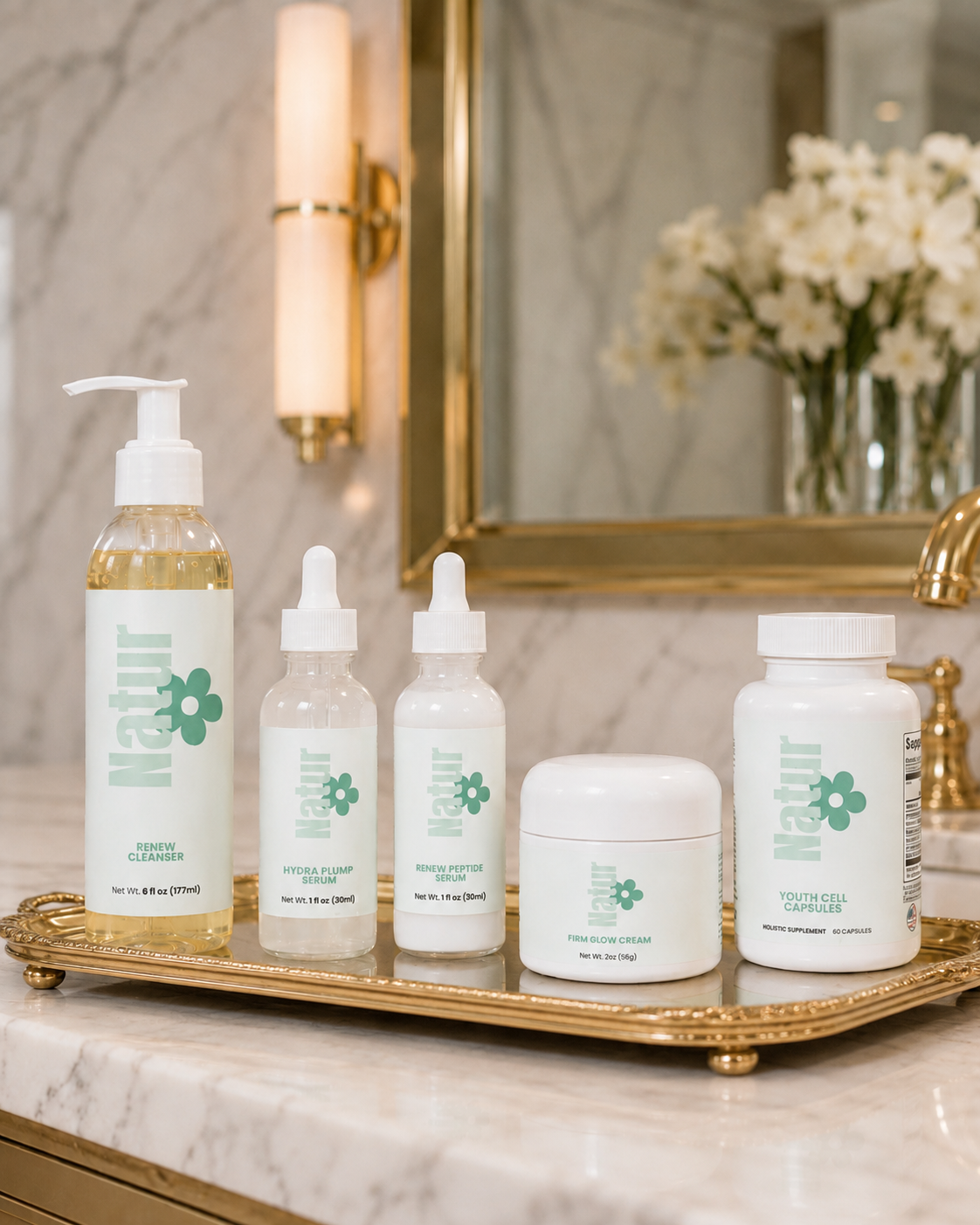
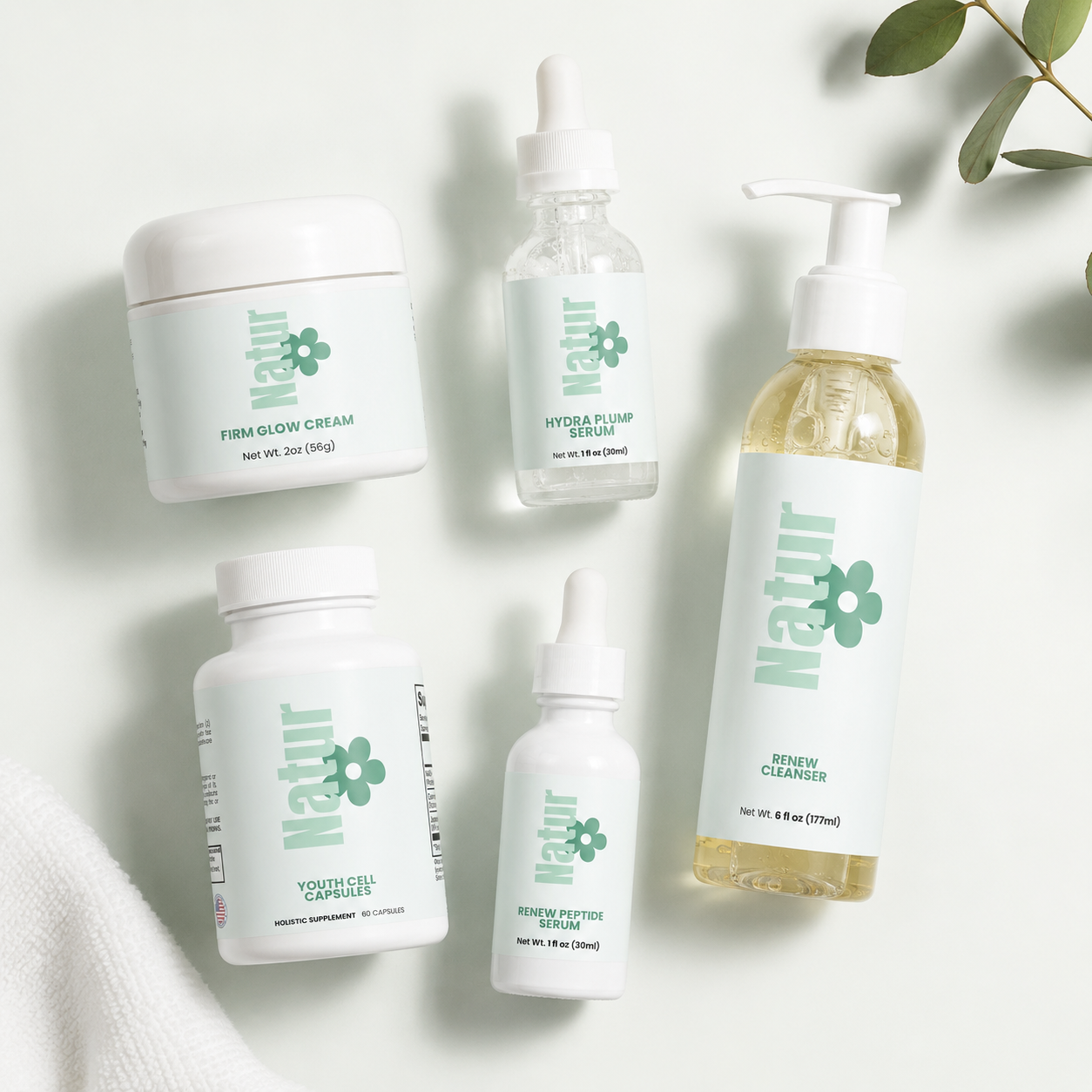
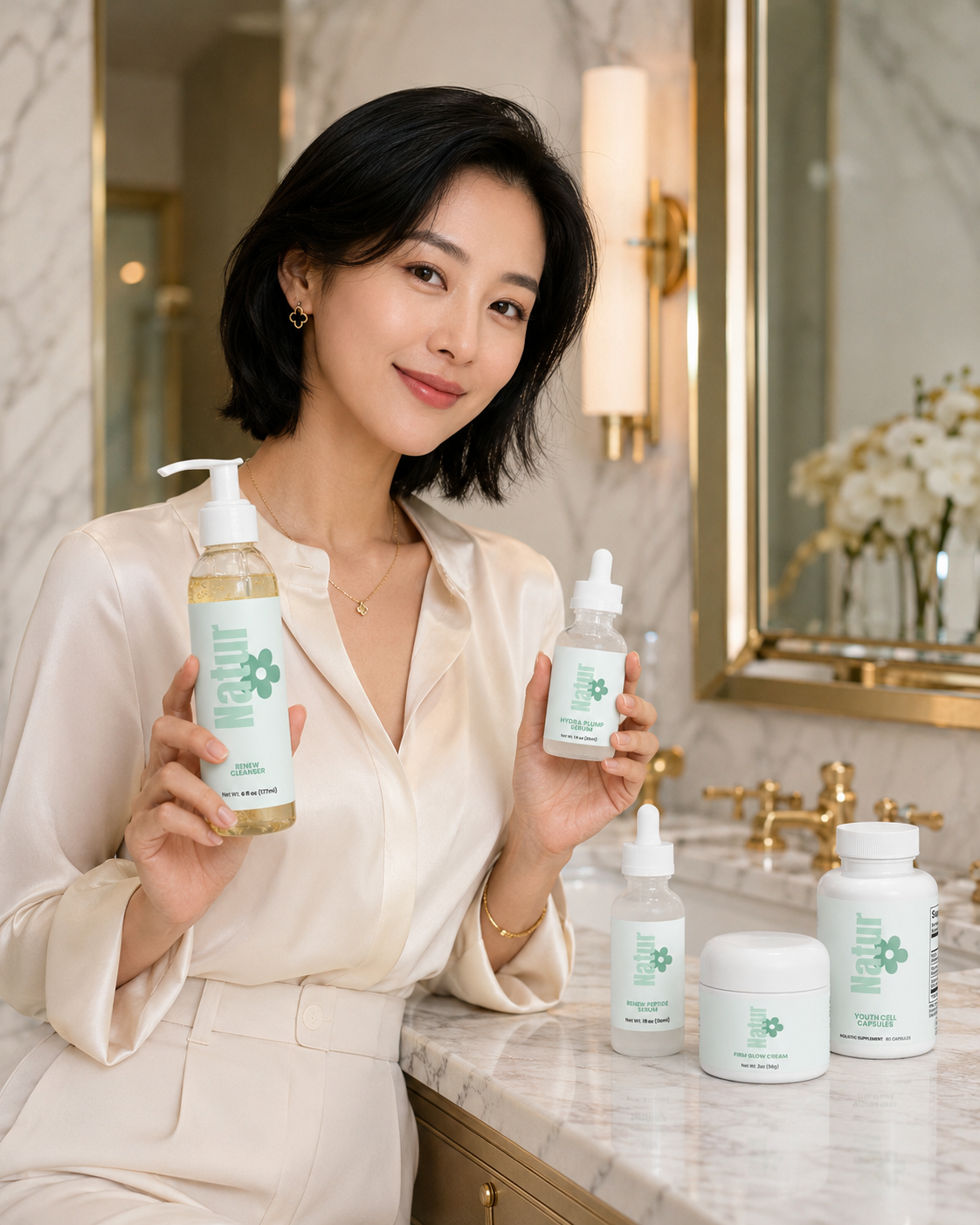
If you'd like a simple place to start, the Natur Skin Glow set pulls the supplements and skincare for this routine into one daily kit.
This article is for educational purposes only and is not medical advice. Always talk to a qualified healthcare professional before starting supplements or changing your health routine. These statements have not been evaluated by the Food and Drug Administration. Natur products are not intended to diagnose, treat, cure, or prevent any disease.