
Collagen, Peptides, and Your Skin's Texture
Understanding How These Ingredients Support a Smoother Look
6 min read

Walk into any beauty aisle, and you’ll likely see 'collagen' and 'peptides' splashed across product labels. These aren't just buzzwords; they’re key components our skin naturally relies on. As we live our lives, our skin changes, and supporting its natural functions becomes more important for maintaining a visibly smooth and resilient appearance. Think of your skin as a finely woven fabric. Collagen and peptides are like the threads and the skilled weavers that help keep that fabric strong and supple. Understanding how they work can help you make more informed choices for your skincare routine.
Collagen: Your Skin's Foundation
Imagine your skin as a mattress. Collagen is like the sturdy springs that provide structure and bounce. It's the most abundant protein in our body, literally holding everything together, including our skin. A healthy amount of collagen helps skin look plump, smooth, and firm.
Over time, starting in our mid-20s, our natural collagen production starts to slow down. Things like sun exposure, pollution, and even just daily life can also impact its integrity. This can lead to skin that looks a little less firm and maybe shows more fine lines. While we can't stop this natural process, we can support our skin's ability to maintain its youthful appearance through thoughtful routines.
Peptides: The Smart Messengers
If collagen is the mattress spring, then peptides are the messages that tell the mattress factory (our skin cells) to make more springs or repair existing ones. Peptides are short chains of amino acids, which are the building blocks of proteins like collagen and elastin. When applied topically, certain peptides can act as signals, encouraging skin cells to perform specific functions. Different types of peptides send different messages. For example, some 'signal peptides' may help support the production of new collagen, while 'carrier peptides' might help deliver other beneficial ingredients to the skin.
They're essentially helping to communicate with your skin, gently nudging it to do its best work. This is why many people look for peptides in their serums and creams when they want to support a visibly smoother and firmer skin texture. They're not adding collagen directly, but rather encouraging your skin's natural processes.
Teaming Up: Collagen and Peptides for a Smoother Look
So, how do these two work together in your routine? Think of it this way: you can support your skin from the inside out and the outside in. Taking a high-quality collagen peptide supplement, for example, provides the body with the amino acid building blocks it needs. Many people choose third-party-tested collagen peptides because they are already broken down into smaller, more easily absorbed pieces, which may help support the body's natural collagen production.
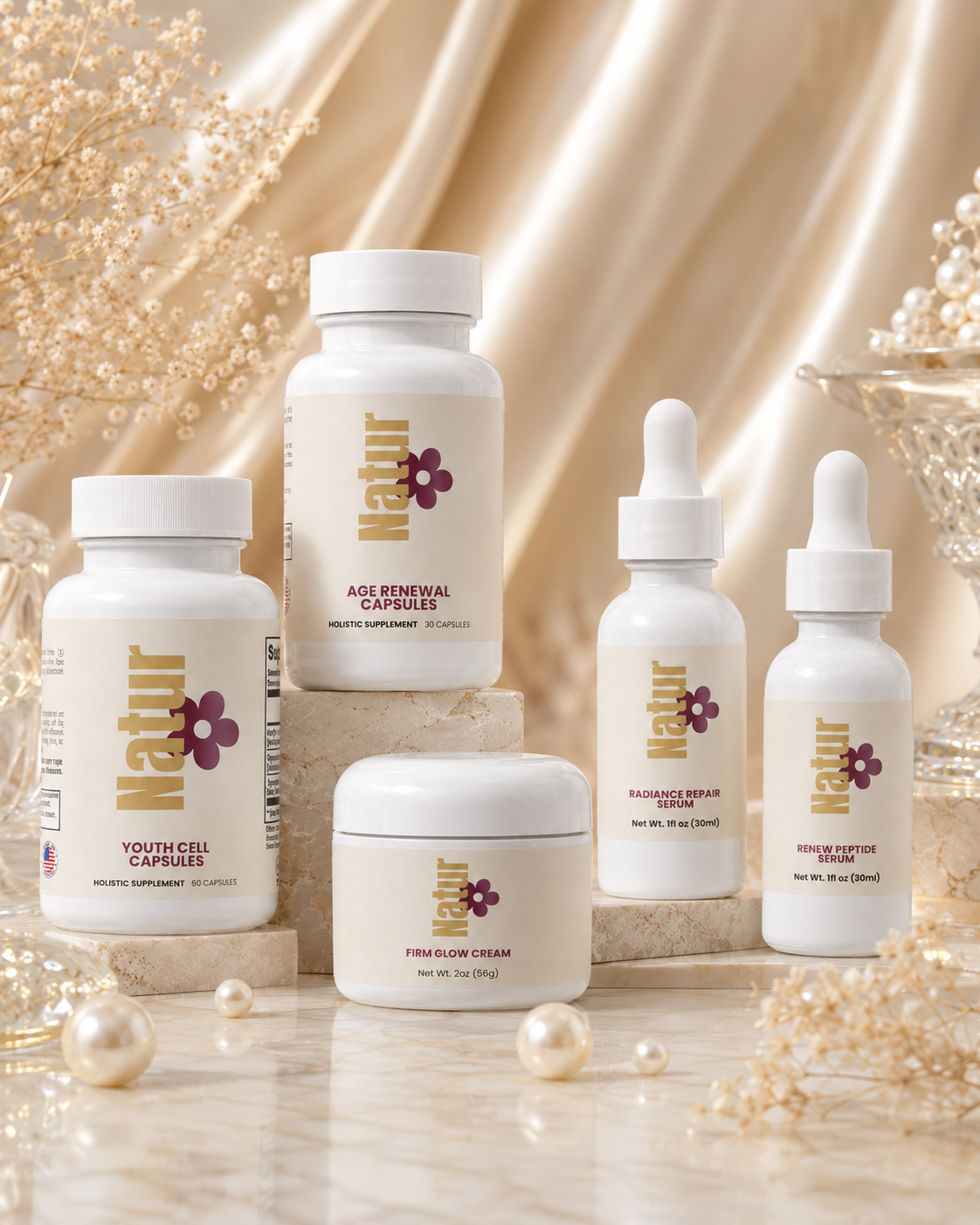
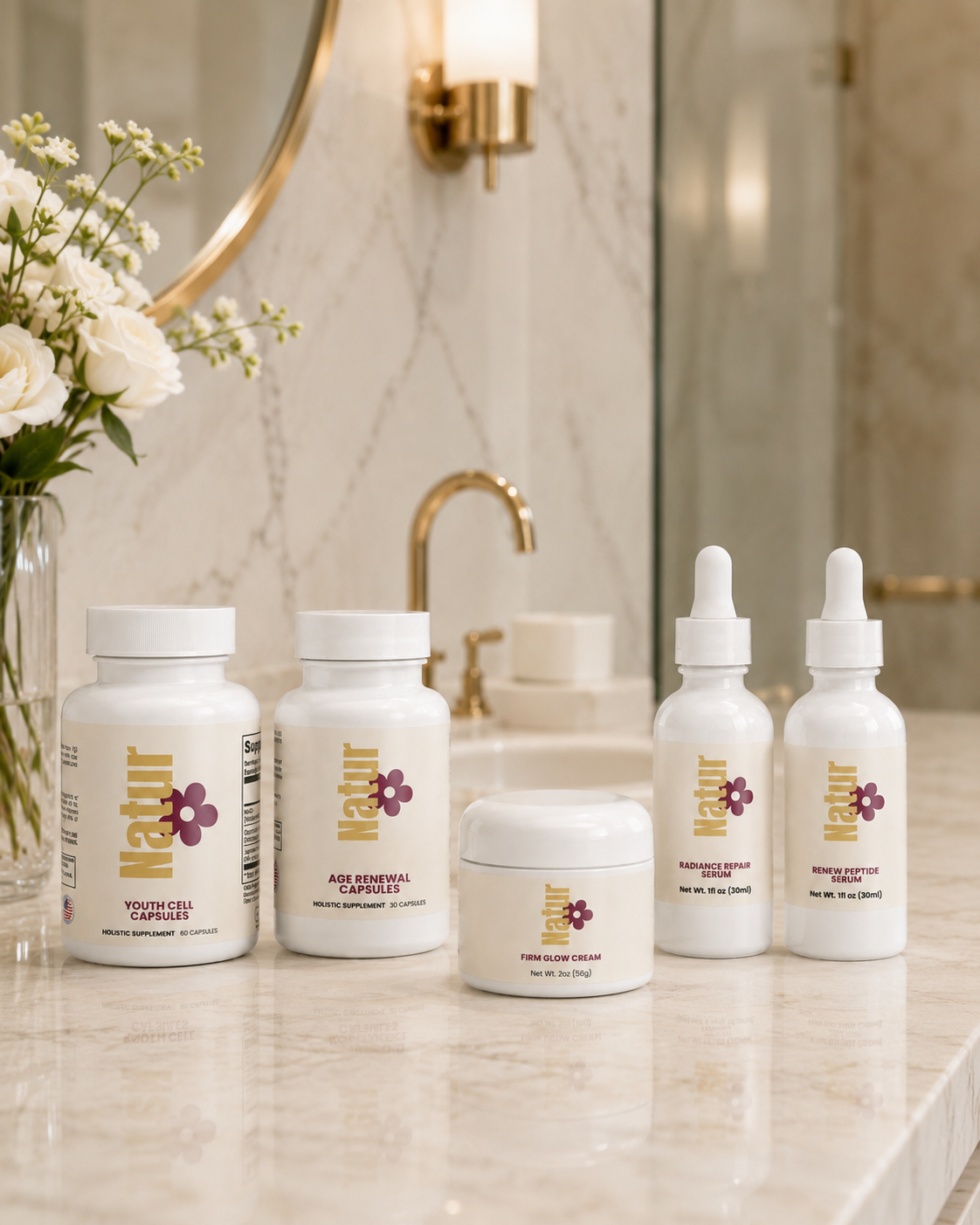
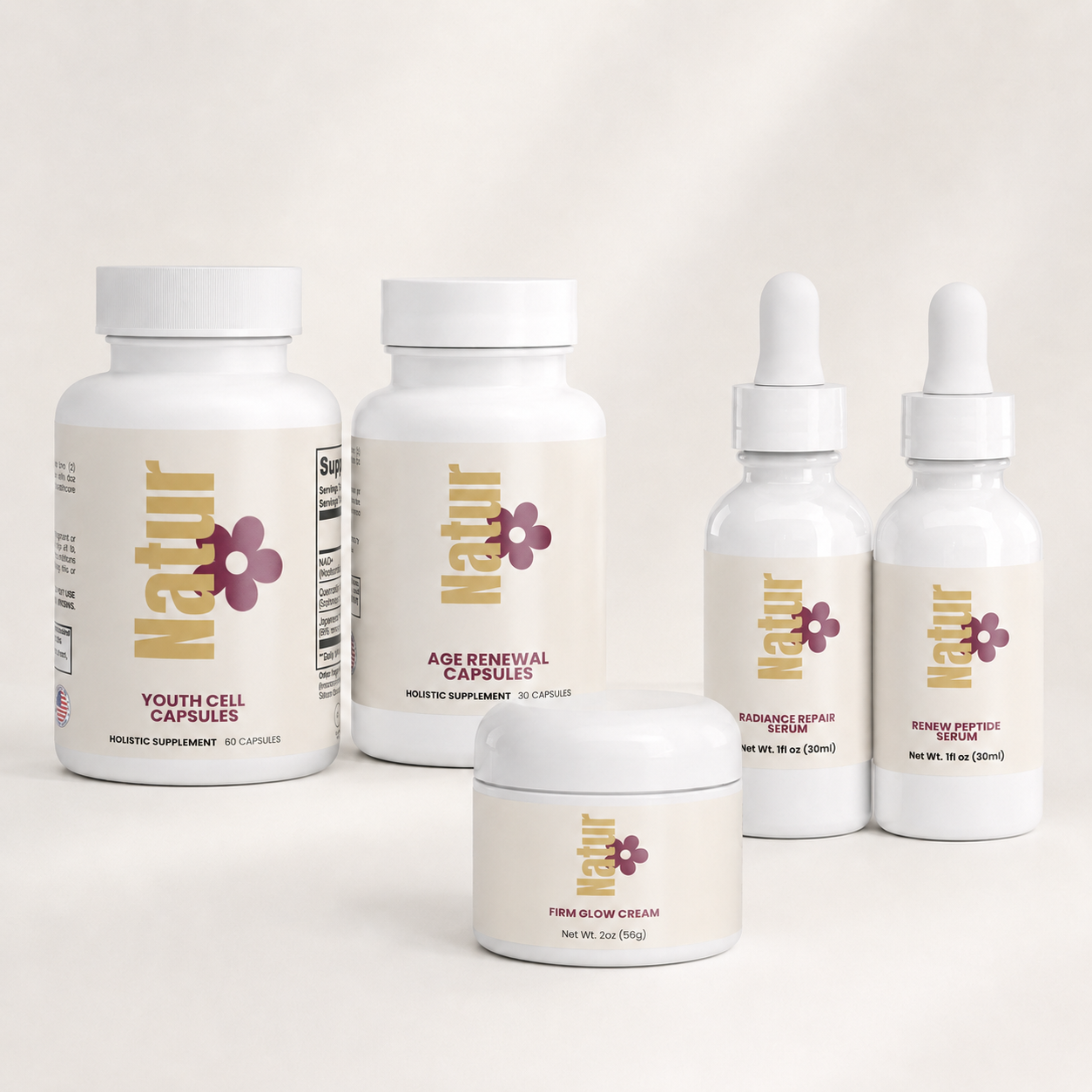
From the outside, applying serums and creams rich in peptides can help send those helpful signals directly to the skin. When you combine these approaches, you're giving your skin a more comprehensive kind of support for maintaining a visibly firm and smooth texture. For example, the Natur Age Renewal set includes both a peptide-rich serum and a pure collagen peptide supplement, designed to work together.
Clean Beauty Choices for Supporting Skin Texture
When choosing products that feature collagen and peptides, especially for age renewal goals, focusing on clean beauty is key. This means looking for formulations free from harsh chemicals, synthetic fragrances, and unnecessary additives. Your skin absorbs what you put on it, so opting for products with thoughtful, high-quality ingredients just makes sense.
Beyond just collagen and peptides, look for other complementary clean ingredients. Things like vitamin C (a known cofactor for collagen synthesis), hyaluronic acid for hydration, and nourishing botanical oils like rosehip oil or jojoba oil can further support skin health and a visibly smooth appearance. A gentle, fragrance-free cleanser and a mineral sunscreen are also vital companions to any routine focused on maintaining skin vitality.
Incorporating into Your Daily Routine
Making collagen and peptides a regular part of your day doesn't have to be complicated. A simple approach can involve starting your day with a scoop of a collagen peptide supplement mixed into water or a smoothie. Then, in your morning and evening skincare routine, after cleansing, apply a peptide-rich serum, followed by a nourishing face cream. If you use a face oil, it typically goes after your serum but before your cream.
Consistency is more important than complexity here. You're aiming to gently support your skin's natural processes over time, not look for an instant fix. The beauty of these ingredients is in their ability to work with your body, not against it, to maintain a naturally vibrant and smooth-looking complexion.
Finding Your Own Rhythm
Supporting your skin's texture with ingredients like collagen and peptides is a journey, not a sprint. It's about nurturing your skin and body with kindness and consistency. The goal isn't to rewind time, but to help your skin look and feel its best at every stage, with visible firmness and a lovely, smooth texture. Pay attention to how your skin responds, adjust as needed, and remember that true glow comes from feeling good in your skin, wherever you are in life.
Frequently asked questions
What is the difference between collagen and peptides?
Collagen is a large protein that provides structure to your skin. Peptides are much smaller chains of amino acids (the building blocks of proteins) that act as messengers, telling your skin cells to perform various functions, including potentially helping to support collagen production.
How do peptides help skin look firmer?
Certain peptides, like signal peptides, can communicate with your skin cells, encouraging them to produce more collagen and elastin. This can help support the skin's natural structure, leading to a visibly firmer and more resilient appearance over time.
Can collagen supplements really help skin texture?
Many people find that taking collagen peptide supplements, especially those that are third-party-tested for quality, may help provide the body with the necessary amino acid building blocks to support its natural collagen production. This, in turn, can contribute to the look of smoother and more hydrated skin.
What clean beauty ingredients support collagen?
Besides peptides, clean beauty ingredients that support collagen include vitamin C (which is essential for collagen synthesis), hyaluronic acid for hydration that helps plump the skin, and nourishing botanical oils that support overall skin health and elasticity.
How should I incorporate collagen and peptides into my routine?
A simple routine could involve taking a collagen peptide supplement daily (e.g., mixed in a drink) and applying a peptide-rich serum to your face morning and night after cleansing, followed by your favorite face cream. Consistency is key for best results.
If you'd like a simple place to start, the Natur Age Renewal set pulls the supplements and skincare for this routine into one daily kit.
This article is for educational purposes only and is not medical advice. Always talk to a qualified healthcare professional before starting supplements or changing your health routine. These statements have not been evaluated by the Food and Drug Administration. Natur products are not intended to diagnose, treat, cure, or prevent any disease.