
Collagen and the Look of Skin Texture
Understanding its role in supporting the appearance of smooth, firm skin.
6 min read
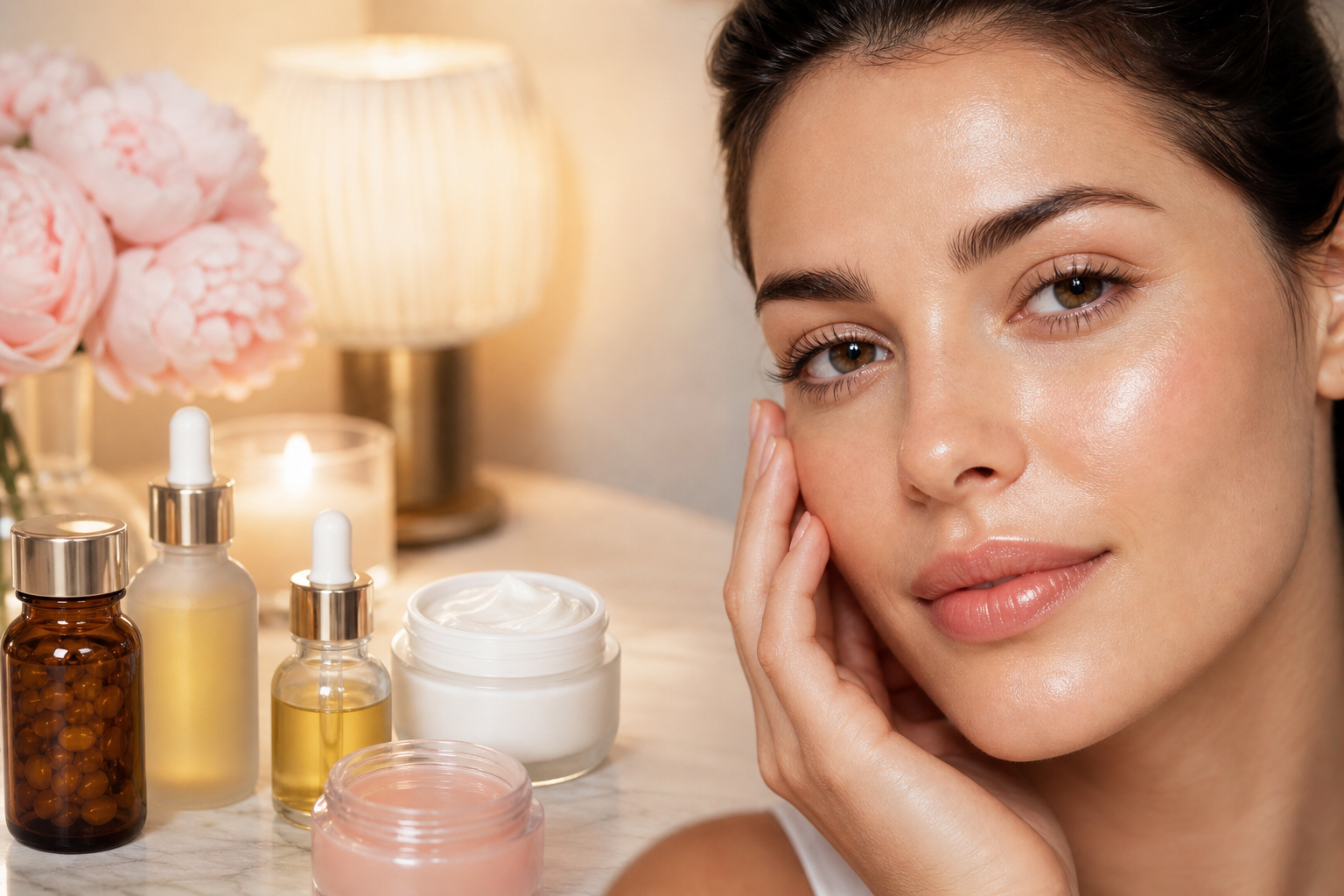
When we talk about skin that looks smooth, plump, and firm, collagen is usually a key player in the conversation. It's a buzzword in beauty, but what does it actually do for skin texture? Think of collagen as the natural scaffolding that helps your skin maintain its structure. As we get a little older, our bodies naturally produce less of it, which can show up as skin that looks a little less firm or has more lines. Understanding collagen helps us support our skin's appearance from the inside out and the outside in.
The Collagen Framework: What It Does for Your Skin's Look
Imagine your skin as a finely woven fabric. Collagen is like the invisible network of tiny threads that keeps that fabric taut and resilient. It's the most abundant protein in your body, and a big part of what gives your skin its strength and elasticity. When your skin has plenty of healthy-looking collagen, it tends to appear smoother, firmer, and more lifted. It helps maintain that youthful bounce and can make fine lines and wrinkles less visible.
As the years go by, and due to things like sun exposure and lifestyle, our bodies naturally slow down collagen production. This slowdown can contribute to skin that looks a little looser, and those fine lines become more noticeable. It’s part of the natural aging process, of course, but understanding this helps us support our skin's appearance as we go.
Supporting Skin Texture from the Inside: Collagen Supplements
One popular way to support your skin's appearance, especially as you age, is through collagen supplements. These often come in the form of collagen peptides, which are smaller, more easily absorbed pieces of the collagen protein. The idea is that by consuming these peptides, you're providing your body with the building blocks it may need to help support its natural collagen production.
Many people choose marine collagen or bovine collagen peptides for this. When choosing a supplement, look for one that is third-party tested for purity. While supplements can't magically 'erase' wrinkles, they can help support your skin's overall appearance, contributing to skin that may look more hydrated and have improved texture over time. For an inside-out glow, integrating a quality collagen peptide supplement into your routine can be a thoughtful step.
Topical Support: Serums and Creams for a Smoother Look
Beyond ingesting collagen, what you put on your skin also plays a significant role in how its texture looks and feels. When we talk about topical skincare, we're not usually applying collagen directly in a way that gets deep into the skin's structure. Instead, many clean beauty serums and face creams are formulated with ingredients designed to support the skin's *own* collagen and elastin.
Look for ingredients like peptides, vitamin C, and hyaluronic acid. Peptides are like little messengers that can signal your skin to behave in a way that supports its natural firmness. Vitamin C is a powerful antioxidant that's often involved in the natural process of collagen production. Hyaluronic acid doesn't build collagen, but it's incredible for hydration, which instantly helps plump up the skin's surface, making fine lines less noticeable and improving overall texture. Many people find that serums, especially under a good face cream, can help their skin look noticeably smoother and more refined.
The Glow Natur Approach to Age Renewal and Texture
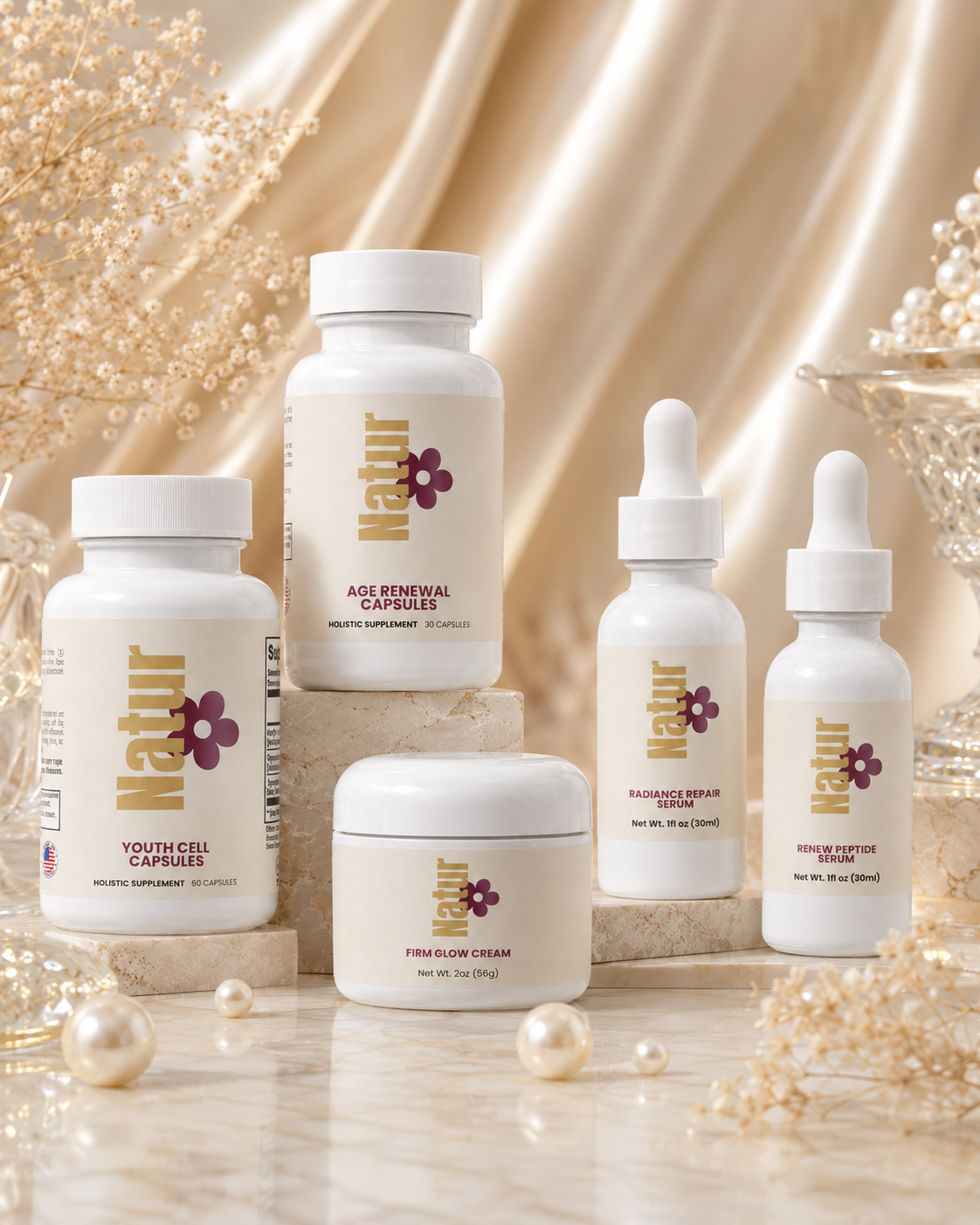
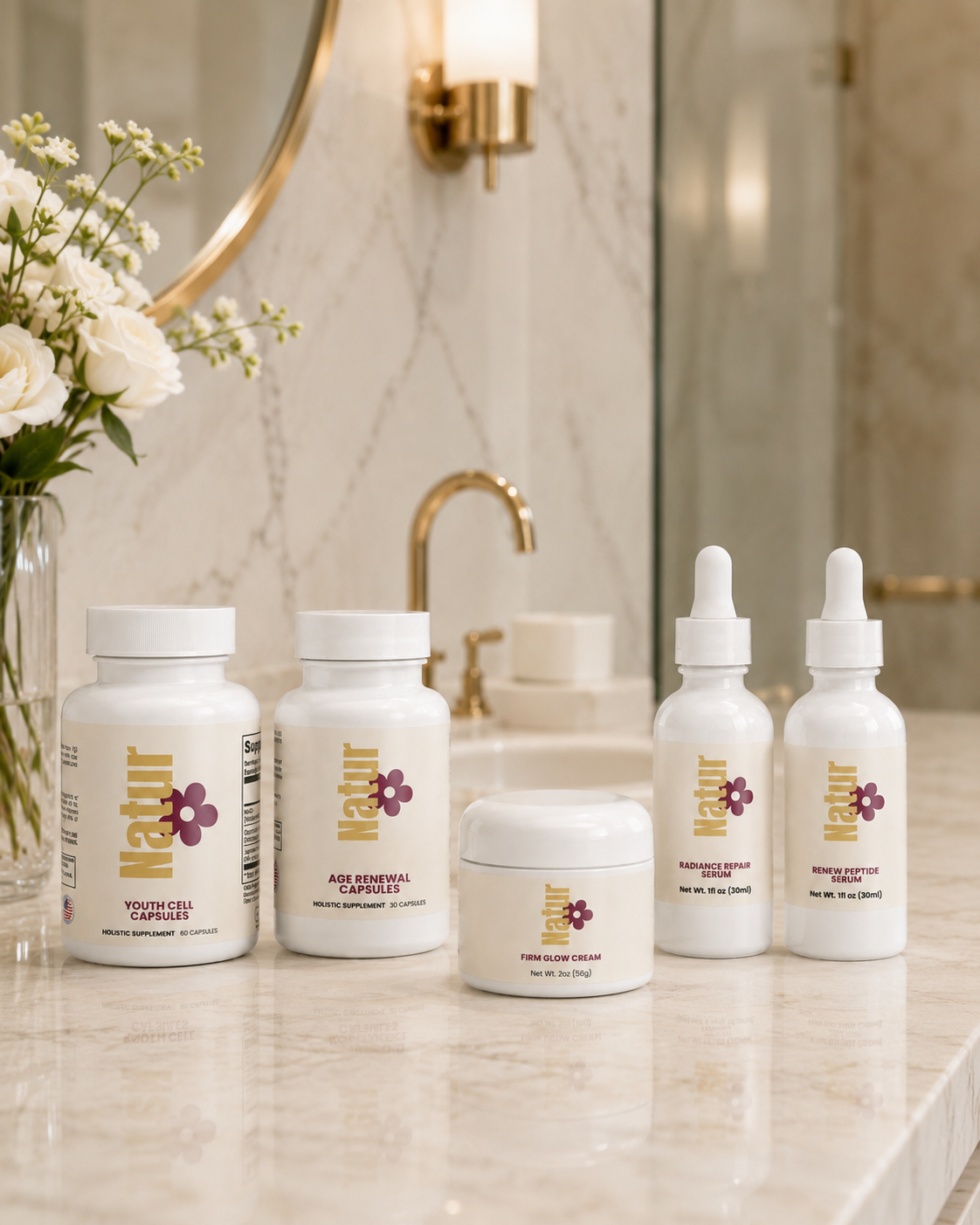
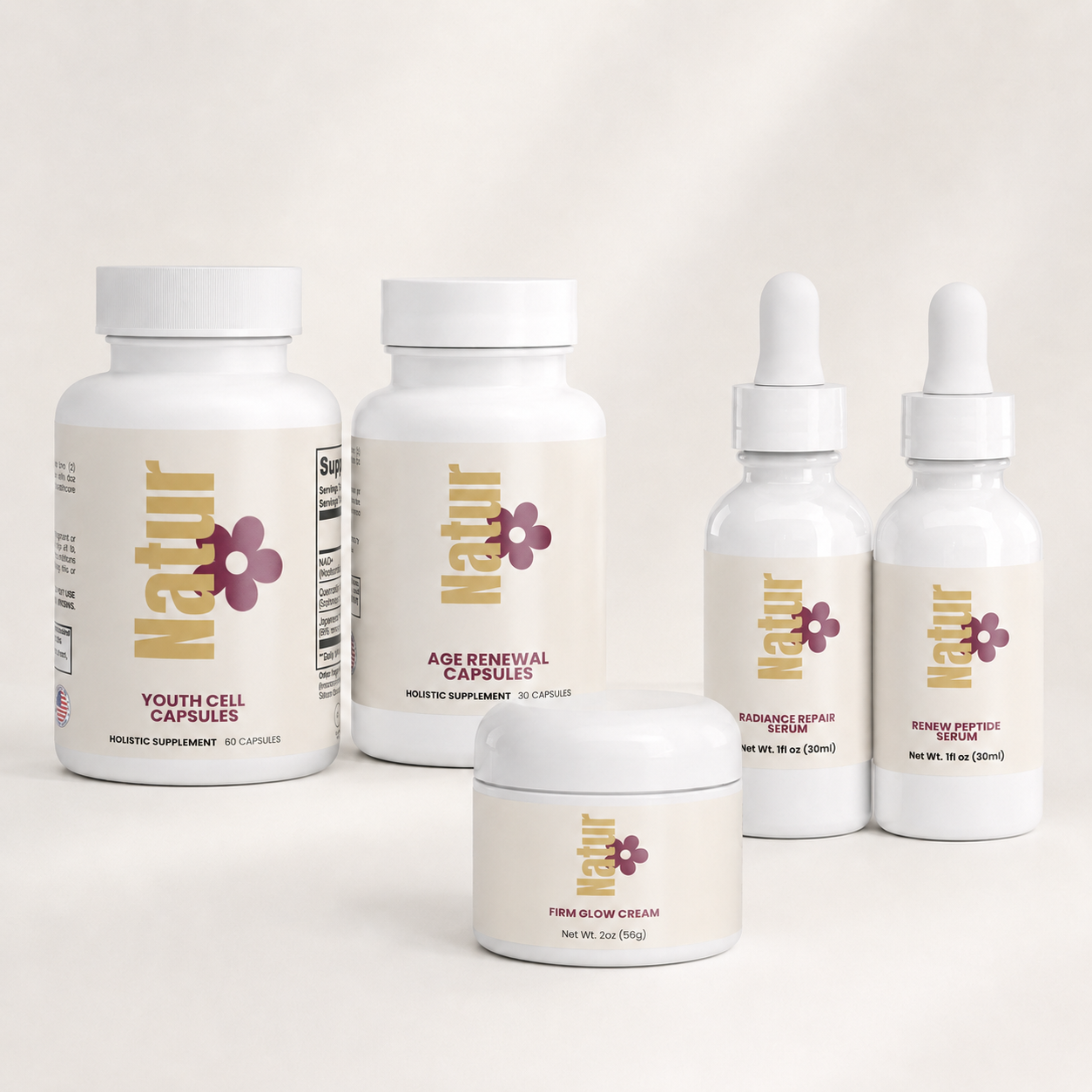
At Glow Natur, we believe in a balanced approach to age renewal that supports your skin's look and feel. Our Natur Age Renewal set, for instance, is designed with a thoughtful combination of internal and external support. It might include a targeted serum with peptides to promote the look of firmness, a nourishing face cream to deeply hydrate and protect the skin barrier, and a beauty-from-within supplement containing ingredients like collagen peptides or antioxidants that support overall skin health. The goal isn't just about single ingredients, but how they work together.
Clean beauty oils, like rosehip oil or jojoba oil, can also be wonderful additions. They provide essential fatty acids and antioxidants, helping to moisturize and protect the skin's surface, which in turn can make its texture appear smoother and more supple. Remember, healthy-looking skin often comes from consistent, gentle care that respects your skin's natural processes.
Beyond the Products: Lifestyle Choices for Skin Appearance
While specific products and supplements are helpful, don't forget the power of overall well-being in supporting beautiful-looking skin texture. Staying hydrated by drinking enough water, eating a diet rich in fruits, vegetables, and lean proteins, and getting quality sleep all contribute to your skin's vitality. Regular use of a broad-spectrum mineral sunscreen is also crucial for protecting existing collagen from environmental damage.
Think about your skincare routine as part of a larger picture of self-care. It's about nurturing your body from the inside and being gentle with your skin on the outside. Consistency truly is key, whether it's with your daily supplement, your morning serum, or your nightly face cream. These small, steady efforts can add up to visible improvements in how your skin looks and feels over time.
A Balanced Perspective on Skin Texture
Supporting the look of your skin’s texture—aiming for that smooth, firm appearance—is a journey, not a destination. Collagen plays a central role in how our skin looks and feels, and it's something we can thoughtfully support through both what we consume and what we apply topically. It’s about building a consistent, gentle routine that nourishes your skin and body. The best routine is often the one you can stick with reliably, knowing you're providing your skin with what it needs to look its best.
Frequently asked questions
What role does collagen play in the appearance of skin?
Collagen is a fundamental protein that forms a support structure in your skin. It helps your skin maintain its strength, elasticity, and firmness, contributing to an overall smoother and more plump appearance. As we age, natural collagen production slows, which can lead to skin looking less firm or more lined.
Can collagen supplements really help with skin texture?
Collagen supplements, often in peptide form, are designed to provide your body with building blocks that may support its natural collagen production. Many people report that consistent use can help their skin appear more hydrated and may contribute to a smoother-looking texture over time, supporting the skin's overall appearance.
How do skincare products support collagen for smoother-looking skin?
Topical skincare products usually don't directly add collagen deep into the skin, but they often contain ingredients like peptides, Vitamin C, and hyaluronic acid. These ingredients can help signal the skin to support its own collagen, provide antioxidant protection, and boost hydration, all of which contribute to skin that looks smoother, firmer, and more refined.
What kind of collagen is best for supporting skin health?
Hydrolyzed collagen peptides, either marine or bovine, are commonly used in supplements for skin health. These smaller peptides are believed to be more easily absorbed by the body. When choosing, look for products that are high-quality and, ideally, third-party tested for purity.
When should I start thinking about collagen support for my skin?
While collagen production starts to slow down naturally in your mid-20s or early 30s, there's no single 'right' age to start. Some people begin incorporating collagen support in their late 20s or 30s as a proactive measure, while others start when they notice visible changes in their skin's texture and firmness. It's really about personal preference and when you feel your skin could benefit from extra support.
If you'd like a simple place to start, the Natur Age Renewal set pulls the supplements and skincare for this routine into one daily kit.
This article is for educational purposes only and is not medical advice. Always talk to a qualified healthcare professional before starting supplements or changing your health routine. These statements have not been evaluated by the Food and Drug Administration. Natur products are not intended to diagnose, treat, cure, or prevent any disease.