
Clean Skincare Layering: Oils, Serums & Creams
How to Put Your Skincare on for Maximum Glow
6 min read
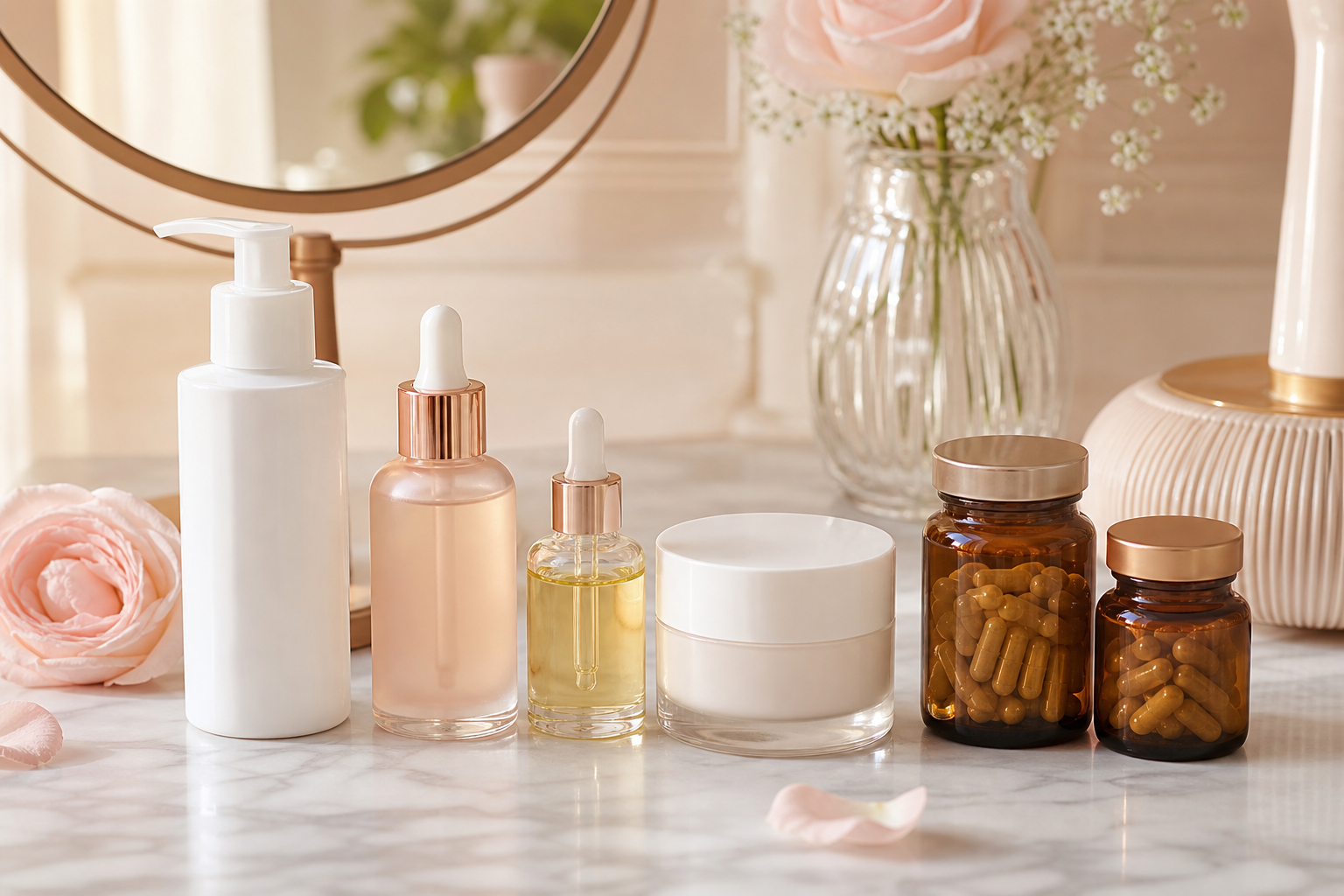
Ever wonder if your face oil should go before or after your serum? Or where your moisturizer fits in? You’re not alone. The world of skincare can feel a bit like a puzzle sometimes, especially when you’re trying to get the most out of your clean beauty products. But I’m here to tell you, it doesn’t have to be complicated. Layering skincare isn't about piling on a bunch of products; it's about understanding how different formulas work together and in what order to apply them so your skin gets all the good stuff without feeling weighed down. Think of it as building a supportive wardrobe for your skin – each piece plays a role, and they work best when put on in the right sequence. The goal? A radiant glow that comes from happy, well-supported skin.
Why Layering Matters (It's Not Just About More Products)
Before we dive into the 'how,' let's touch on the 'why.' Your skin has different needs throughout the day and night, and different products are designed to meet those needs. Serums often have smaller molecules designed to deliver concentrated ingredients deep into the skin. Oils create a protective barrier and help lock in moisture. Creams provide hydration and seal everything in. Applying them in the right order ensures each product can do its job effectively.
Think of it this way: if you put a thick, occlusive cream on first, it might create a barrier that prevents lighter serums from penetrating your skin properly. You wouldn't put your rain jacket on before your sweater, right? The same logic applies to your skincare. We want to give every beneficial ingredient a chance to be absorbed and get to work.
The Golden Rule: Thinnest to Thickest
This is the most fundamental principle of skincare layering. Always start with the lightest textures and build up to the heaviest. This allows products with smaller molecules and active ingredients (like serums) to get to your skin first, unimpeded by thicker layers. Then, you layer on products that provide hydration and protection.
A typical clean beauty layering sequence will look something like this: cleanse, tone (optional), serum, face oil, and then face cream. But let's break down each key player a bit more, especially those tricky serum-and-oil questions.
Serums: Your Skin's Targeted Boost
Serums typically come with a lighter consistency – think watery gels or thin liquids. They're packed with concentrated active ingredients like peptides, hyaluronic acid, or antioxidants, designed to tackle specific skin concerns. Because of their small molecular size, they can deeply penetrate the skin to deliver those powerful ingredients where they're needed most. This is why you want them as close to your clean skin as possible after cleansing.
For example, a serum from Natur's Skin Glow set, designed to plump and hydrate, would be applied right after you’ve gently washed your face. Give it a minute or two to really sink in before moving to the next step. You want your skin to feel slightly tacky, not soaking wet or completely dry, before the next layer.
The Oil vs. Serum Debate: Where Does Face Oil Fit In?
This is where many people get confused! Face oils are a bit unique because some are lighter and some are heavier. Generally, for effective clean skincare layering, face oils go *after* your serum but *before* your cream.
Why? Many face oils, especially those like rosehip or jojoba, are designed to create a nourishing, protective layer on the skin while also delivering their own skin-loving nutrients. While they can carry active ingredients, their primary role in a routine is often to help seal in the hydration from your serum and provide an extra layer of occlusion. If you put your oil on before your serum, the oil could potentially block the serum's deeper penetration. However, if your face oil is very light and your serum is very thick, you might reverse these two. As a general rule, though, serum first, then oil.
A great quality, clean face oil, like the ones from Natur, may support skin's natural barrier and help lock in moisture, giving you that lovely 'glow from within' look. Just a few drops are usually all you need.
Creams: The Grand Finale for Hydration and Protection
Face creams, or moisturizers, are typically the thickest product in your routine. Their main job is to provide hydration, smooth the skin, and act as a final sealant, locking in all the goodness you've just applied. They create a protective barrier on the skin's surface, helping to prevent moisture loss throughout the day or night.
After your serum and face oil have had a moment to absorb, gently apply your face cream. This helps reinforce your skin's natural barrier and ensures all those lovely oils and active ingredients stay put and continue to work their magic. For an effective anti-aging routine, choosing a rich, clean face cream from Natur designed to support skin elasticity can make a big difference.
What About SPF?
Ah, the all-important SPF! If it's daytime, your mineral sunscreen is the very last step in your clean skincare layering routine. It sits on top of all your other products, creating a physical barrier against UV rays. Don't skip it, even on cloudy days!
Applying SPF after your cream ensures it forms that protective shield on the outermost layer of your skin, doing its job without diluting or interfering with your other skincare products.
Frequently asked questions
What is the best order to apply clean skincare products?
Generally, you should apply products from thinnest to thickest: cleanser, toner (optional), serum, face oil, face cream, and then mineral sunscreen (for daytime).
Should I apply face oil before or after serum?
Most often, apply face oil after your serum and before your face cream. This allows the serum's concentrated ingredients to penetrate deeply first, and then the oil helps to seal in hydration and provide nourishment.
Do I need both a serum and a face cream?
While a serum and face cream both hydrate, they serve different purposes. Serums deliver targeted, concentrated ingredients, while face creams provide overall hydration, barrier support, and help lock everything in. Many people find using both beneficial for comprehensive skin support.
How can I tell if my clean beauty products are absorbing?
After applying a product, give it a minute or two to sink in. Your skin should feel hydrated and perhaps a little tacky, but not overly greasy or like the product is sitting on top. If a product seems to just sit there, you might be using too much, or it might not be the right formula for your skin type.
Can you use too many skincare products in a routine?
Yes, it is possible to overwhelm your skin with too many products, especially if they contain multiple active ingredients that might irritate when combined. Focusing on a few high-quality, clean products that target your main concerns is often more effective than a multi-step, complex routine. Listen to your skin – it will tell you what it likes.
If you'd like a simple place to start, the Natur Skin Glow set pulls the supplements and skincare for this routine into one daily kit.
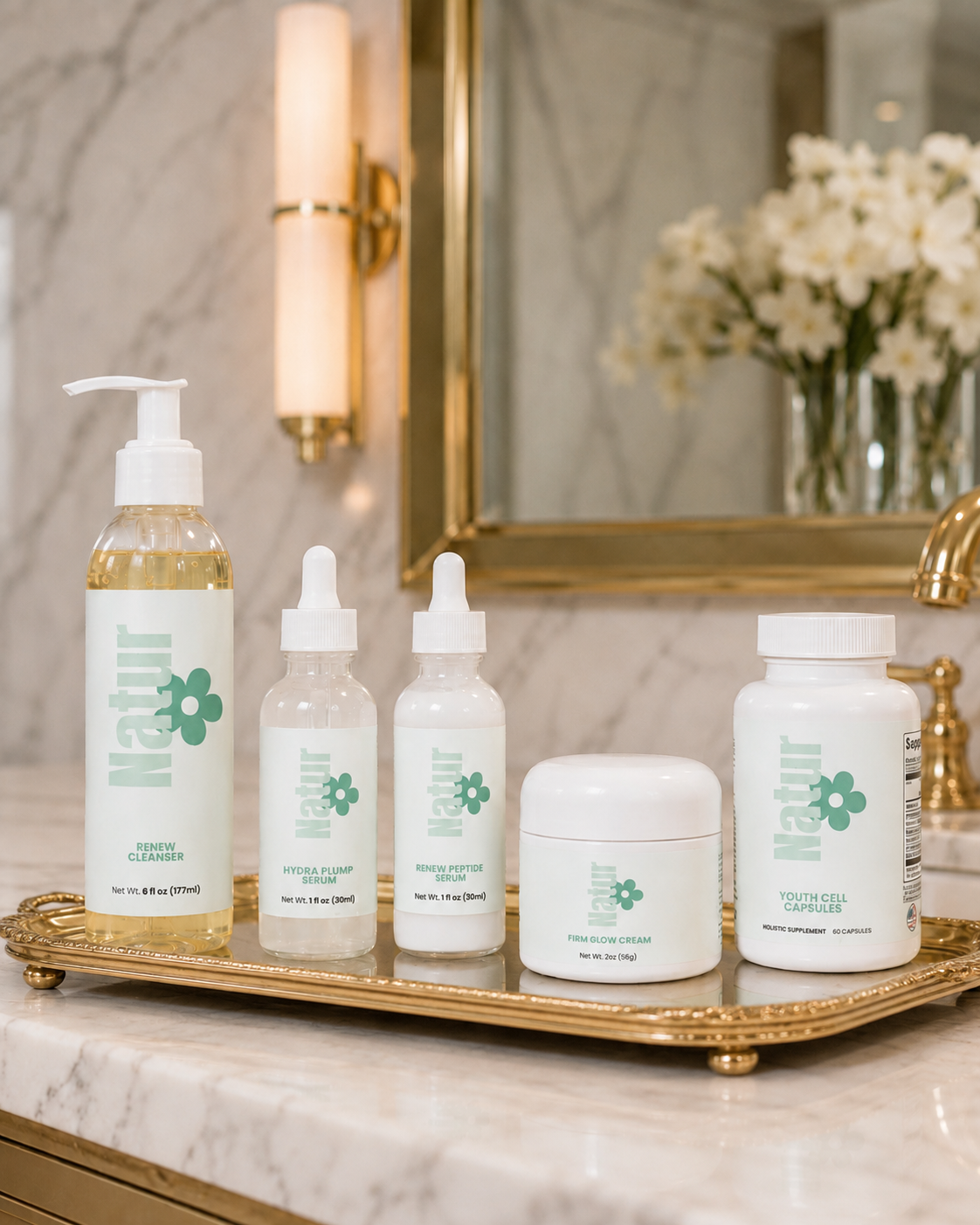
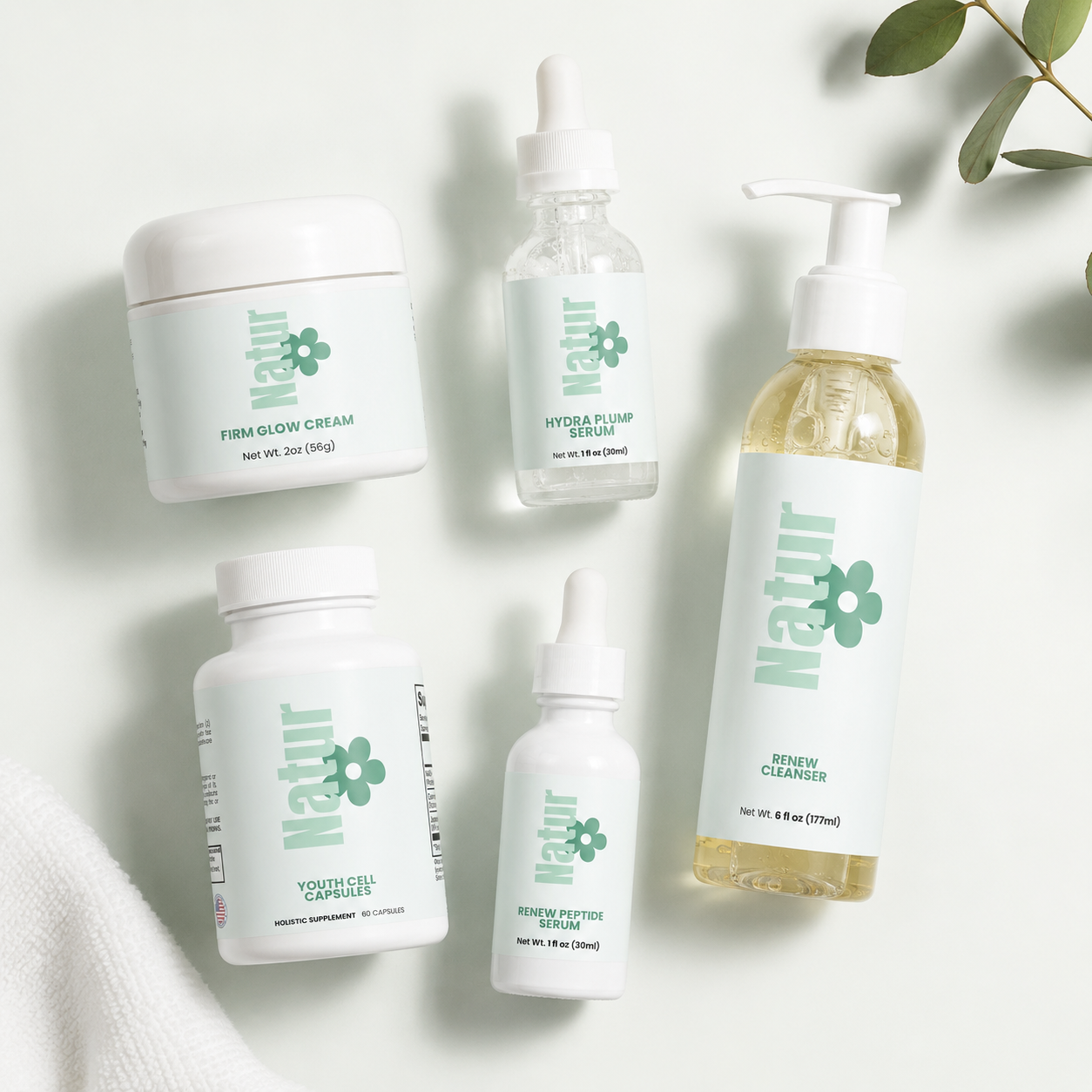

This article is for educational purposes only and is not medical advice. Always talk to a qualified healthcare professional before starting supplements or changing your health routine. These statements have not been evaluated by the Food and Drug Administration. Natur products are not intended to diagnose, treat, cure, or prevent any disease.